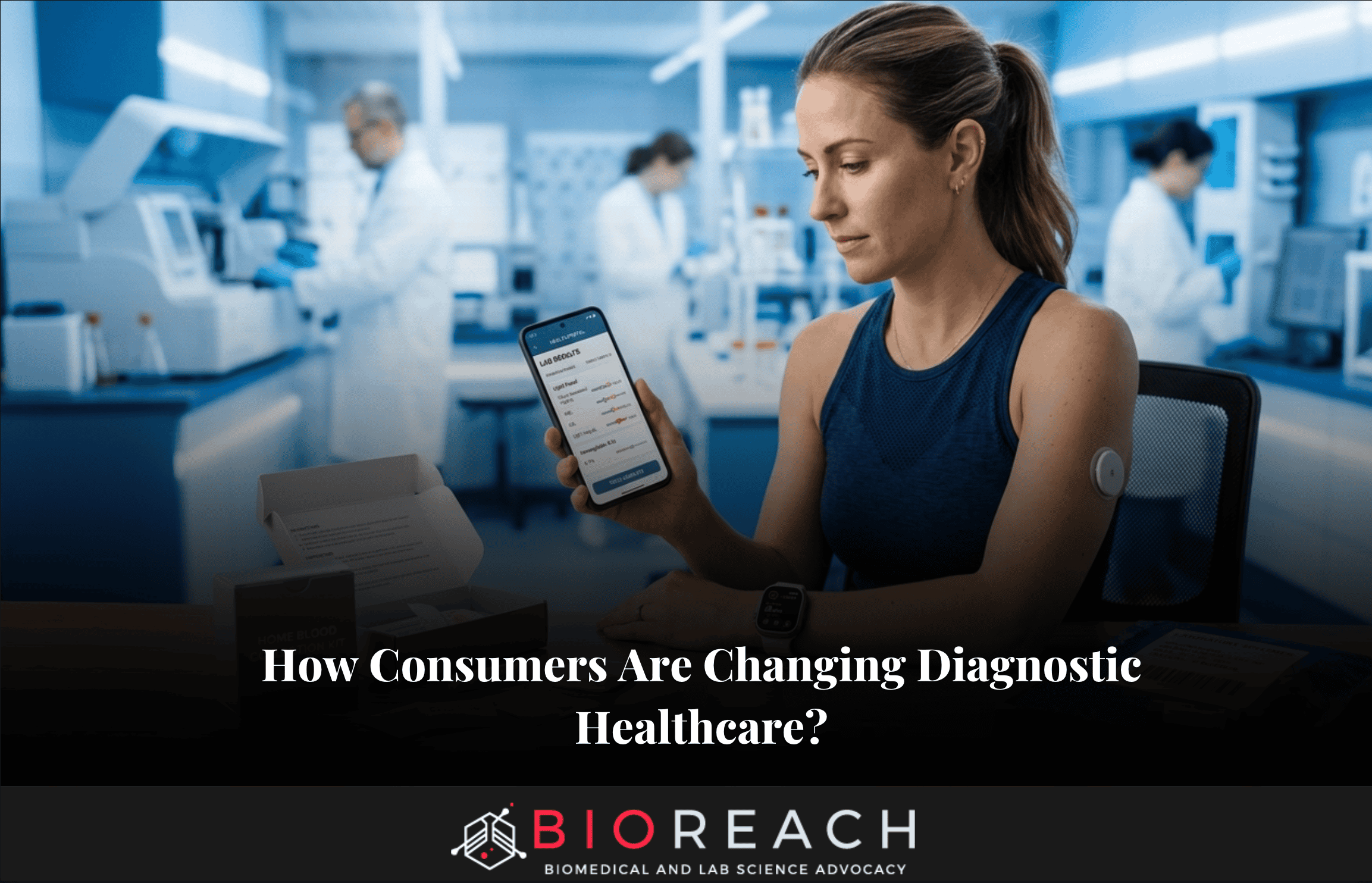
Consumers are changing diagnostic healthcare by shifting from passive recipients of testing that doctors order to active participants who initiate, access, and monitor their own diagnostic information. Driven by direct-to-consumer testing, home-based collection, wearables, and digital health apps, this shift is moving diagnostics from episodic, physician-gated events toward continuous, consumer-driven health monitoring. <cite index=”71-1″>The transformation is fueled by a fundamental change in consumer healthcare behavior, where individuals increasingly demand convenient, affordable, and private access to clinical-grade diagnostic information without visiting a traditional laboratory or physician’s office.</cite> The change brings real benefits in access, engagement, and prevention, but it also raises the stakes for laboratory quality and interpretation, because when consumers drive their own diagnostics, the science behind the results must be more trustworthy than ever.
For most of modern medicine’s history, diagnostic testing has been something done to patients: a physician decided what to test, a laboratory performed it, and the physician interpreted the result. That model is changing. Consumers are increasingly stepping into the driver’s seat, choosing tests, collecting samples, tracking biomarkers, and demanding a more participatory relationship with their own health data. This article examines how and why consumers are reshaping diagnostic healthcare, the benefits and risks of the shift, and what it means for the laboratory profession that underpins it all.
The Shift from Passive Patient to Active Participant

The most fundamental change is a shift in who holds initiative. The traditional diagnostic model positioned the patient as a passive recipient: tests happened when a doctor ordered them, and results were mediated entirely through the clinician. The emerging model positions the consumer as an active participant who can initiate testing, access results directly, and integrate diagnostic information into ongoing self-management of their health.
This shift did not happen in isolation. It mirrors a broader transformation in how people engage with services of every kind, on-demand, digital, personalized, and it reflects rising health awareness and a cultural expectation of agency over one’s own information. The COVID-19 pandemic accelerated it dramatically, normalizing self-testing and remote care for millions who had never considered them. What began as necessity became habit, and the expectation of convenient, consumer-controlled access to diagnostics has persisted and grown.
Several converging forces sustain the change. The convenience of digital, on-demand services has reset consumer expectations across healthcare. Declining costs of assays and sequencing have made a widening range of tests affordable directly to consumers. Telehealth has created seamless pathways from virtual consultation to testing to results. And a cultural movement toward preventive, personalized, participatory health has made proactive self-monitoring feel natural rather than unusual. Together these forces are moving diagnostics out of the exclusive control of the clinical encounter and into the flow of everyday life.
From Episodic Testing to Continuous Monitoring
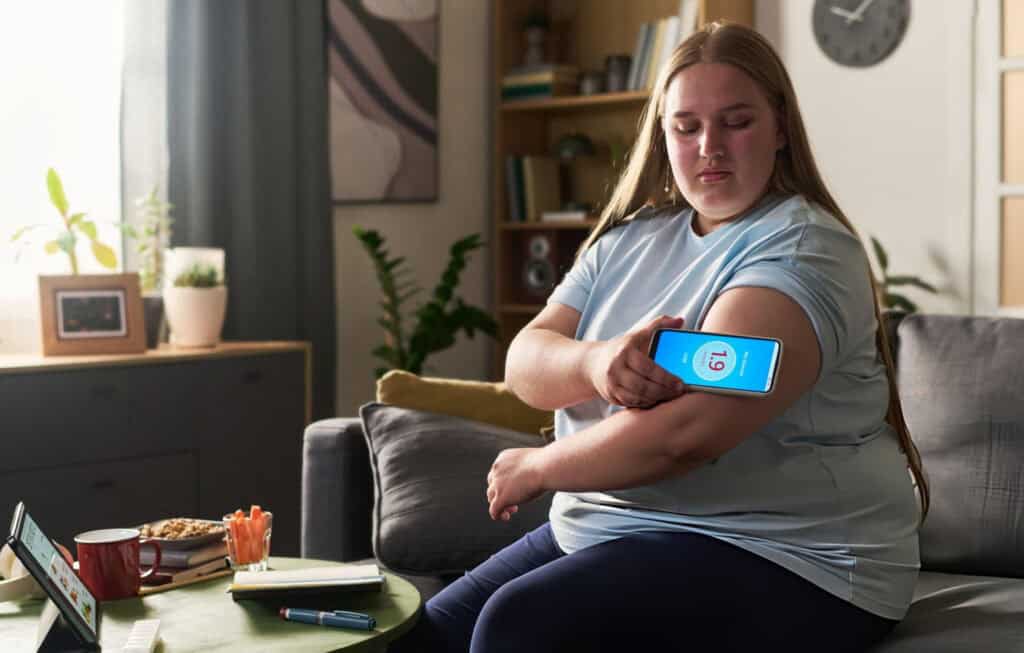
Perhaps the deepest change consumers are driving is the move from episodic testing toward continuous monitoring. Traditional diagnostics captured a snapshot: a single measurement at a single moment, ordered when a problem was suspected. Consumer-driven diagnostics increasingly aim for a continuous stream of health data over time.
Wearable devices are the clearest expression of this. Continuous glucose monitors, once reserved for people with diabetes managing their condition medically, are now used by health-conscious consumers to understand how their bodies respond to food and activity in real time. The success of continuous glucose monitoring has demonstrated that always-on measurement can reveal patterns that occasional testing misses, and manufacturers are extending this model to other analytes and vital signs. The trajectory points toward consumers monitoring aspects of their physiology continuously rather than testing only when something feels wrong.
Digital health platforms tie these streams together. Apps that store results, track them over time, provide personalized insights, and connect users to professionals turn scattered measurements into a longitudinal health record the consumer owns and controls. Increasingly, AI-driven analytics help translate this data into understandable guidance, and integration with clinical chemistry biomarkers links consumer monitoring to established diagnostic science. The result is a model in which diagnostics is not an occasional event but an ongoing dimension of daily life, and the consumer, not the clinician, is often the one watching the trends.
This continuous, consumer-held data has genuine potential to shift healthcare toward prevention. When a person can see a biomarker drifting in a concerning direction over months, they, and their clinician, have the chance to intervene before a problem becomes a crisis. Realized well, consumer-driven continuous monitoring could catch disease earlier and support the healthy behaviors that prevent it.
The Benefits and the Risks
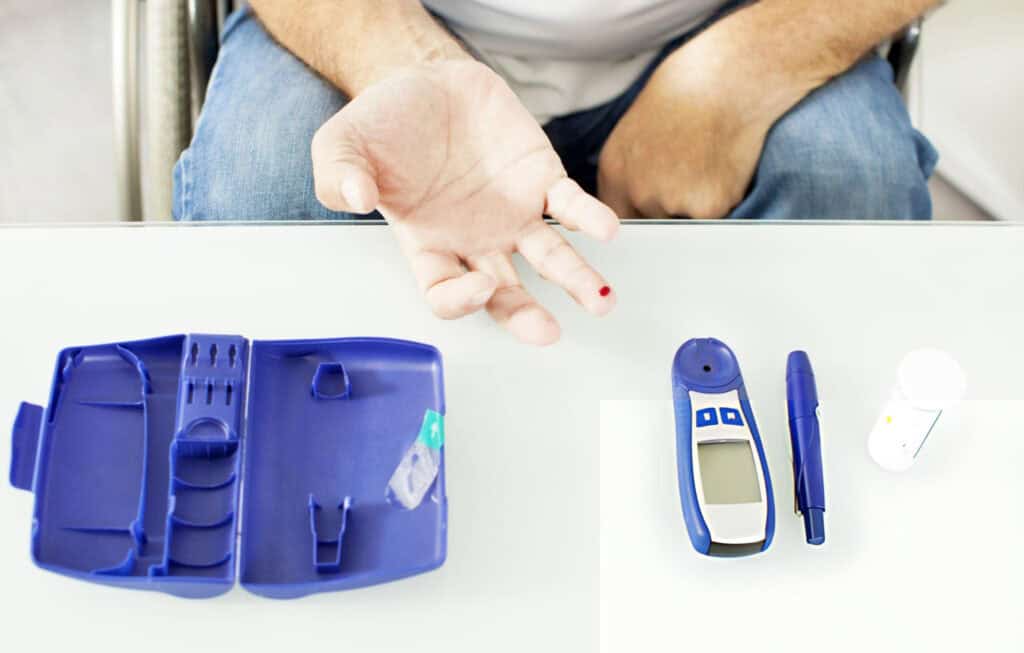
The consumer-driven transformation of diagnostics brings real benefits, but they come paired with real risks, and honest assessment requires holding both.
On the benefit side, access expands for people underserved by traditional care, those without a regular provider, facing long waits, or living far from facilities. Privacy improves for sensitive testing, encouraging people to test for conditions they might otherwise avoid, which has genuine public health value. Engagement deepens as people who actively monitor their health often become more invested in their wellbeing and more adherent to healthy behaviors. And prevention becomes more feasible as continuous, consumer-held data enables earlier detection and intervention.
On the risk side, the absence of professional interpretation looms largest. A result without clinical context can mislead, causing unnecessary alarm over a benign finding or false reassurance from one that warranted follow-up. As consumers drive their own diagnostics, the safeguard of a clinician reviewing results before they shape decisions is often removed, placing the interpretive burden on people not trained to carry it. Result interpretation is where much of the value, and much of the risk, of consumer diagnostics lives.
Sample quality is a second risk, particularly with home collection. The accuracy of any result depends on how the sample was collected and handled, the pre-analytical phase where most laboratory errors originate, and a consumer collecting a sample without training introduces variability that can compromise the result without the consumer knowing. Data privacy is a third, as the growing volume of consumer health and genetic data carries real exposure that breaches and ownership changes have repeatedly demonstrated. And the potential for unnecessary anxiety and downstream cost is real, as consumer-initiated results that appear abnormal often trigger follow-up investigations, some for findings that never required action.
What This Means for the Laboratory Profession

It might seem that a consumer-driven model, by removing the physician gatekeeper, diminishes the role of the laboratory. The truth is the reverse: consumer-driven diagnostics raises the stakes for laboratory science, because the safeguards that once surrounded testing are thinner, and the trustworthiness of the result depends more heavily on the laboratory getting it right.
Every consumer-initiated result still rests on the quality management systems, validated methods, and skilled professionals of the laboratory that produces it. When results reach consumers directly, without a clinician’s intermediary review, the laboratory’s accuracy and the honesty of its reporting matter more, not less. Laboratory professionals have a growing and essential role in designing consumer-facing reports that are clear about limitations, building the reflex pathways that flag results genuinely requiring medical attention, validating the home-collection devices that consumers rely on, and advocating for the professional guidance that separates responsible consumer diagnostics from the marketing-driven variety.
There is also an equity dimension that connects to the mission of organizations advancing laboratory medicine. Consumer-driven diagnostics, done responsibly, could extend diagnostic access and prevention to people underserved by traditional care. Done poorly, it could create a two-tier system in which some receive convenient, well-supported testing while others receive unguided results they cannot interpret. The difference depends on keeping sound laboratory science and professional oversight at the center of the consumer model, ensuring that as diagnostics becomes more consumer-driven, it also remains trustworthy and equitable.
Conclusion
Consumers are reshaping diagnostic healthcare, moving it from a physician-gated, episodic model toward one that is participatory, continuous, and increasingly held in their own hands. This transformation, driven by direct-to-consumer testing, home collection, wearables, and digital health platforms, reflects genuine demand for convenient, private, engaged, and preventive healthcare, and it carries real potential to expand access and catch disease earlier.
But the shift also removes traditional safeguards, placing greater weight on the accuracy of laboratory science and the clarity of laboratory reporting. The risks, misinterpretation, sample quality, data privacy, and unnecessary anxiety, are real and must be managed. The consumer revolution in diagnostics will succeed or fail on whether the laboratory science behind it remains rigorous and whether professional expertise stays at its center. Consumers are changing diagnostic healthcare profoundly, but the trustworthiness of that new model still depends, as it always has, on the quality and integrity of the laboratory.
Frequently Asked Questions
How are consumers changing the way diagnostic testing works?
Consumers are shifting from being passive recipients of testing their doctors order to active participants who initiate testing, access results directly, and monitor their own health data over time. Driven by direct-to-consumer testing, home sample collection, wearables, and digital health apps, this is moving diagnostics from occasional, physician-controlled events toward continuous, consumer-driven health monitoring integrated into daily life.
What is driving the shift toward consumer-driven diagnostics?
Several forces converge: the convenience of on-demand digital services has reset consumer expectations, declining test costs have made more testing affordable directly to consumers, telehealth has created smooth pathways from consultation to testing, and a cultural movement toward preventive, personalized health has made self-monitoring feel natural. The COVID-19 pandemic accelerated the shift by normalizing self-testing and remote care for millions.
What are the risks of consumers managing their own diagnostics?
The main risks are the absence of professional interpretation, which can lead to misreading results; sample quality problems with home collection, since the pre-analytical phase is where most laboratory errors originate; data privacy exposure as sensitive health and genetic data accumulates; and unnecessary anxiety and cost when consumer-initiated results appear abnormal and trigger follow-up for findings that may not have required action. Consulting a qualified provider for consequential results remains important.
Does consumer-driven testing mean people no longer need doctors or laboratories?
No. Consumer-initiated results still depend entirely on CLIA-certified laboratories and skilled professionals to produce accurate, trustworthy results, and most consequential health decisions still benefit from professional interpretation that accounts for a person’s full clinical picture. Consumer-driven diagnostics changes who initiates testing and how results are delivered, but it makes the underlying laboratory science and professional guidance more important, not less.
Can consumer-driven diagnostics improve health outcomes?
It has real potential to. By expanding access, improving privacy for sensitive testing, deepening engagement, and enabling continuous monitoring that catches problems earlier, consumer-driven diagnostics can support prevention and earlier intervention. Realizing that potential depends on maintaining laboratory quality, providing clear interpretation and guidance, and ensuring the model expands access to trustworthy results rather than creating a divide between well-supported and unguided testing.
Bio-Reach is a non-profit organization dedicated to advancing Laboratory Medicine through advocacy, education, and global collaboration. To learn more or get involved, visit bio-reach.org.