Molecular pathology, the discipline that diagnoses and characterizes disease by analyzing DNA, RNA, and proteins within tissue and cellular specimens, is one of the fastest-growing areas of laboratory medicine. The oncology molecular diagnostics market alone is projected to grow from $6.34 billion in 2026 to $10.13 billion by 2030, at a compound annual growth rate of 12.4 percent, and the companion diagnostics market specifically, which identifies which patients will benefit from targeted therapies, is projected to grow from $6.31 billion in 2026 to $11.57 billion by 2031. Demand is being driven by the global rise in cancer incidence, the shift toward precision oncology, falling sequencing costs, and the expanding role of biomarker-driven treatment selection across nearly every major disease category. This growth is creating urgent demand for molecular pathologists and molecular laboratory technologists trained to perform and interpret these increasingly complex tests.
Pathology has traditionally been defined by the microscope: a pathologist examining tissue architecture and cell morphology to diagnose disease. Molecular pathology adds a second, complementary lens, analyzing the genetic and molecular alterations within that tissue to reveal information invisible to visual inspection alone: the specific mutation driving a tumor’s growth, the gene fusion determining which drug will work, the microbial DNA confirming an infection’s exact identity. This article examines why demand for molecular pathology is surging, what is driving that demand, and what it means for the laboratory workforce responsible for delivering it.
What Is Driving the Growth
Several converging forces are pushing molecular pathology from a specialized niche into a central pillar of modern diagnosis.
The rising global cancer burden is the single largest driver. The global cancer burden is expected to rise to 30 million new cases by 2040, with cancer diagnoses in the Americas predicted to reach 6.23 million, a 57 percent increase. Because modern oncology increasingly depends on identifying the specific molecular characteristics of each patient’s tumor before selecting treatment, this rising case volume translates directly into rising demand for molecular testing capacity.
The shift toward precision oncology has made molecular testing a prerequisite for treatment rather than an optional add-on. The oncology molecular diagnostics market is expanding rapidly, driven by the rising global cancer burden, technological innovation, and the growing shift toward precision and personalized oncology care, with adoption of sequencing, PCR-based assays, in situ hybridization, and liquid biopsy increasing across both hospital and commercial laboratory settings. Where oncologists once selected chemotherapy based largely on tumor location and stage, treatment selection today for many cancers depends on molecular pathology identifying specific actionable mutations first.
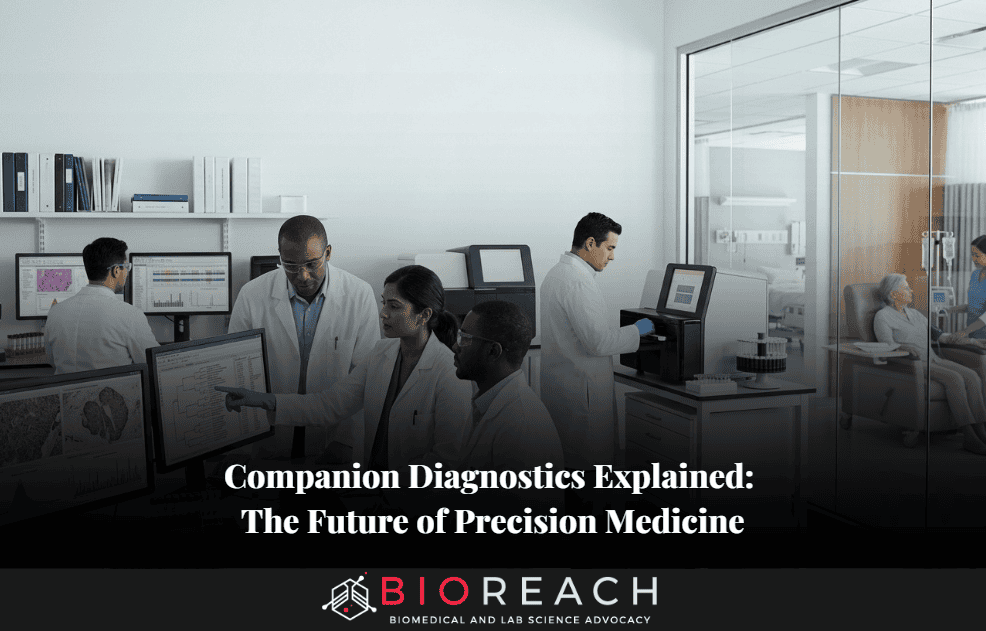
Companion diagnostics have become inseparable from drug development itself. Companion diagnostics are essential for identifying patient populations most likely to benefit from specific therapies, particularly in oncology, autoimmune diseases, and rare genetic disorders, and increasing regulatory emphasis on personalized therapeutics, growing pharma-diagnostic partnerships, and expanding approvals of targeted drugs are accelerating market growth globally. Nearly every new targeted cancer therapy now enters the market paired with a specific molecular test that determines patient eligibility, meaning that molecular pathology capacity has become a rate-limiting factor in how quickly new precision therapies can actually reach patients.
Falling sequencing costs are expanding what is economically feasible to test. As next-generation sequencing costs continue to decline, panels that once covered only a handful of genes now routinely profile hundreds, and comprehensive genomic profiling has become financially viable for a far broader range of clinical scenarios than it was even a few years ago.
Liquid biopsy is extending molecular testing beyond tissue biopsy alone. Liquid-biopsy-based diagnostics are gaining ground as ongoing monitoring tools rather than single-time tests, allowing clinicians to track a tumor’s molecular evolution and detect emerging drug resistance through repeated blood draws rather than repeated invasive tissue biopsies, a shift that significantly increases the total volume of molecular testing performed per patient over the course of treatment.
Beyond Oncology: Expanding Applications
While cancer remains the largest application, molecular pathology’s growth extends into other disease areas as well. Molecular techniques are used to characterize infections at a level of precision, identifying specific pathogen strains and antimicrobial resistance genes that culture-based methods cannot always achieve as quickly. Inherited disease diagnosis increasingly relies on molecular pathology to identify the specific genetic variants responsible for conditions ranging from rare metabolic disorders to more common inherited cardiac and neurological conditions. And pharmacogenomic testing, which uses molecular analysis of drug-metabolism genes to guide medication selection, is expanding from specialized psychiatric and oncology use into more routine primary care application, a trend explored in more depth in the context of the broader personalized medicine movement.
The Regional and Global Picture
Growth in molecular pathology is a global phenomenon, though its pace and drivers vary by region. North America leads adoption due to advanced healthcare infrastructure and strong research activity, while Europe maintains steady growth through regulatory support and expanding molecular pathology services. Asia-Pacific is forecast to post the fastest regional growth of any region, buoyed by expanding companion-diagnostic approvals and provincial insurance reimbursement for comprehensive genomic profiling, with major Asian laboratory networks substantially expanding their sequencing capacity to keep pace with demand.
This global expansion carries direct relevance for laboratory medicine’s role in health equity. As molecular pathology capacity concentrates in well-resourced regions and healthcare systems, extending that capacity into under-resourced settings becomes an increasingly urgent equity issue, since access to precision therapies is now gated, in practice, by access to the molecular testing that determines eligibility for them.
The Workforce Challenge Behind the Growth
The rapid expansion of molecular pathology is creating a demand for specialized expertise that the existing workforce is struggling to fully meet. Workforce skill gaps in computational pathology interpretation are requiring continuous training investment as laboratories transition from traditional microscopy-based workflows to AI-augmented diagnostic processes, and emerging markets across Southeast Asia and Latin America represent untapped demand for telepathology services, where expert pathologist shortages create immediate adoption potential for remote diagnostic platforms.
Molecular pathology requires a distinct and demanding skill set beyond traditional laboratory training: proficiency with next-generation sequencing platforms and their associated bioinformatics pipelines, the ability to interpret complex variant data and distinguish clinically actionable findings from variants of uncertain significance, and familiarity with the rapidly evolving landscape of companion diagnostics and targeted therapies. This specialization sits within the broader laboratory workforce shortage affecting the field generally, but it is particularly acute because molecular pathology expertise takes longer to develop and cannot be quickly substituted the way some other laboratory functions can.
The integration of artificial intelligence into molecular pathology is emerging as a partial response to this workforce gap, helping to manage the growing volume and complexity of genomic data, but it does not eliminate the need for skilled professionals. Future innovation will focus on integrating molecular diagnostics with artificial intelligence, digital pathology, and clinical decision-support systems to help clinicians interpret increasingly complex molecular information, which means the professionals working in this field increasingly need competency not only in molecular biology and genetics but in the informatics and AI-oversight skills required to validate and interpret what these tools produce, consistent with the broader shift in how automation and AI are changing laboratory roles rather than replacing the professionals who perform them.
What This Means for the Field
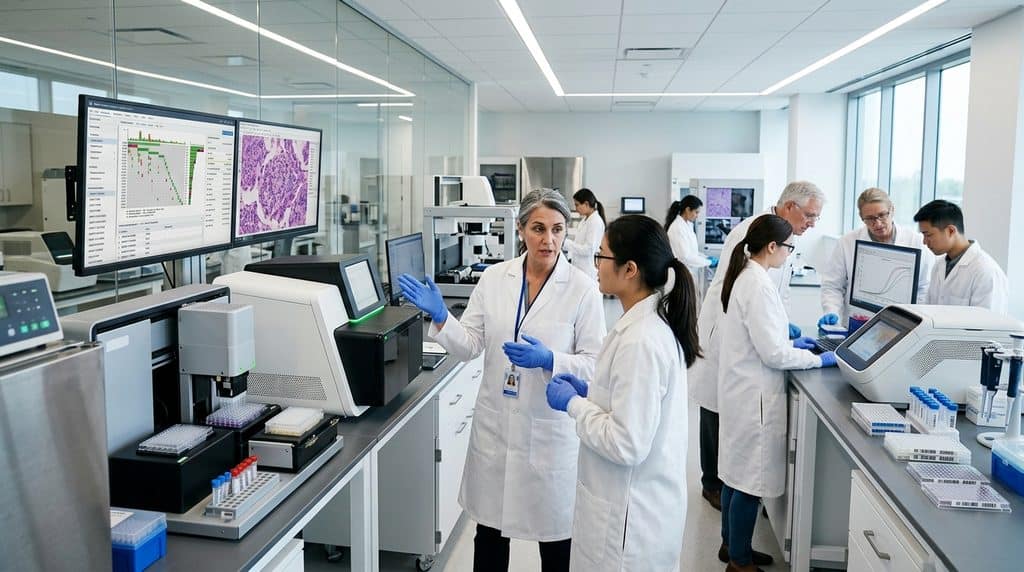
The growing demand for molecular pathology represents both an opportunity and a challenge for laboratory medicine. The opportunity is clear: molecular pathology sits at the center of precision oncology and the broader personalized medicine movement, meaning it is one of the most consequential and fastest-growing areas within the entire laboratory profession, offering strong career prospects and rising professional relevance for those trained in it.
The challenge is equally clear: training pipelines for molecular pathology, requiring specialized education in molecular biology, genetics, bioinformatics, and increasingly AI-assisted interpretation, are not expanding as quickly as clinical demand. Addressing this gap requires the same kinds of interventions needed across laboratory medicine generally: expanded training capacity, community and employer partnerships that connect specialized programs directly with the laboratories that need graduates, and continued investment in the informatics and AI tools that help a limited workforce manage a rapidly growing testing volume.
Conclusion
Molecular pathology has moved from a specialized subdiscipline to a central pillar of modern cancer care and an expanding presence across infectious disease, inherited disorders, and pharmacogenomics. Rising cancer incidence, the shift toward precision oncology, falling sequencing costs, and the maturation of companion diagnostics are together driving double-digit growth across the field’s major market segments.
That growth brings genuine promise for patients, matching treatments to the specific molecular characteristics of their disease with a precision unimaginable a generation ago. Realizing that promise depends on a workforce trained to perform and interpret this increasingly complex testing, and closing the gap between the field’s rapid growth and its training pipeline is one of the defining workforce challenges facing laboratory medicine in the years ahead.
Frequently Asked Questions
What is molecular pathology?
Molecular pathology is the branch of laboratory medicine that diagnoses and characterizes disease by analyzing DNA, RNA, and proteins within tissue and cellular specimens, rather than relying only on visual examination under a microscope. It identifies specific genetic mutations, gene fusions, and other molecular alterations that reveal information invisible to traditional pathology, most notably which targeted therapies are likely to work for a specific patient’s cancer.
Why is demand for molecular pathology growing so quickly?
Demand is being driven by the rising global cancer burden, the shift toward precision oncology where treatment selection depends on molecular testing, the growth of companion diagnostics that determine eligibility for targeted therapies, falling next-generation sequencing costs that make broader testing economically feasible, and the expansion of liquid biopsy for ongoing treatment monitoring rather than one-time testing.
Is molecular pathology only used for cancer?
No, though cancer is currently the largest application. Molecular pathology techniques are also used to precisely identify infectious pathogens and antimicrobial resistance genes, diagnose inherited genetic conditions, and support pharmacogenomic testing that guides medication selection based on how an individual metabolizes specific drugs, an application expanding from specialized use into more routine primary care.
What skills do molecular pathology professionals need?
Beyond traditional laboratory training, molecular pathology professionals need proficiency with next-generation sequencing platforms and bioinformatics pipelines, the ability to interpret complex genetic variant data and distinguish clinically significant findings from those of uncertain significance, and increasingly, the informatics skills needed to work alongside AI-assisted interpretation tools as the field integrates them into routine workflows.
Is there a workforce shortage in molecular pathology specifically?
Yes. Workforce skill gaps in computational and molecular pathology interpretation are a documented challenge, requiring continuous training investment as laboratories transition from traditional microscopy-based workflows to more complex, AI-augmented molecular diagnostic processes. This shortage sits within the broader laboratory workforce shortage but is particularly acute because molecular pathology expertise takes longer to develop than more general laboratory skills.
Bio-Reach is a non-profit organization dedicated to advancing Laboratory Medicine through advocacy, education, and global collaboration. To learn more or get involved, visit bio-reach.org.