Molecular diagnostics represents a transformative branch of clinical laboratory science that focuses on analyzing biological markers at the molecular level, primarily DNA, RNA, and proteins, to detect, diagnose, and monitor diseases. Unlike traditional diagnostic methods that rely on observable symptoms or basic biochemical tests, molecular diagnostics delves into the genetic and molecular underpinnings of health conditions, offering unparalleled precision and early detection capabilities. This field has revolutionized healthcare by enabling personalized medicine, where treatments are tailored to an individual’s genetic profile, improving outcomes and reducing unnecessary interventions. For instance, in oncology, molecular tests can identify specific mutations driving tumor growth, guiding targeted therapies that spare healthy cells and minimize side effects.
The roots of molecular diagnostics trace back to the 1970s with the advent of recombinant DNA technology, but it gained momentum in the 1980s with the development of the polymerase chain reaction (PCR) by Kary Mullis, which allowed for rapid amplification of genetic material. Today, as of early 2026, the field encompasses advanced techniques like next-generation sequencing (NGS) and CRISPR-based assays, integrated with artificial intelligence (AI) for data interpretation. Its applications span infectious diseases, where it rapidly identifies pathogens like SARS-CoV-2 variants; oncology, for profiling cancers; genetic disorders, to screen for inherited conditions; and even pharmacogenomics, to predict drug responses. The global push for precision medicine, fueled by initiatives like the U.S. Precision Medicine Initiative and Europe’s 1+ Million Genomes project, underscores its growing importance.
However, molecular diagnostics is not without challenges: high costs, the need for specialized equipment and trained personnel, and ethical concerns around genetic privacy persist. Despite these, its adoption is accelerating, with market projections indicating robust growth due to aging populations, rising chronic diseases, and technological innovations. This article explores the core techniques, essential tools, diverse applications, and recent advancements in molecular diagnostics, incorporating a detailed section with empirical data from recent studies and market analyses. By examining real-world examples and statistics, we aim to provide a comprehensive understanding of how this field is reshaping diagnostics and therapeutics, paving the way for more effective, patient-centered healthcare.
Defining Molecular Diagnostics
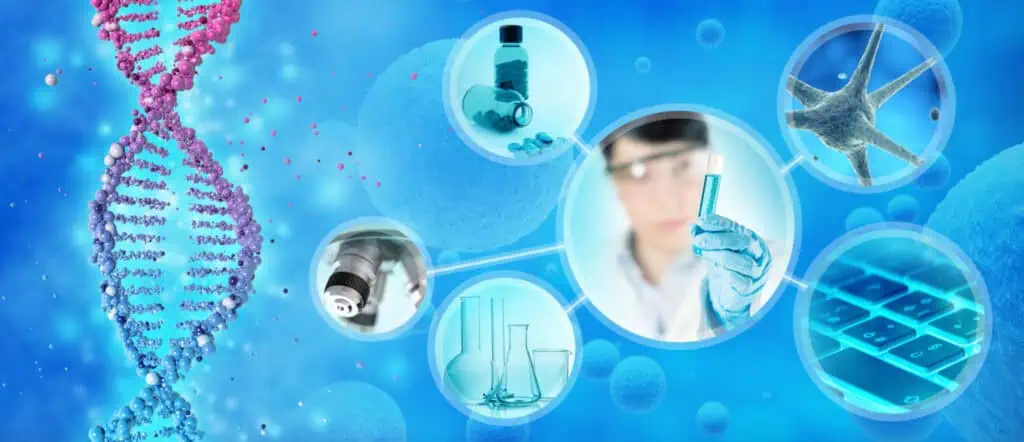
At its essence, molecular diagnostics involves the detection and quantification of specific nucleic acid sequences or proteins that serve as biomarkers for disease states. These biomarkers can indicate the presence of pathogens, genetic mutations, or altered gene expression patterns associated with conditions like cancer or autoimmune disorders. The process typically begins with sample collection: blood, tissue, saliva, or urine, followed by extraction of molecular targets, amplification or sequencing, and analysis to yield actionable insights.
Unlike conventional diagnostics, such as blood cultures or imaging, molecular methods offer superior sensitivity and specificity. For example, they can detect viral loads as low as a few copies per milliliter, crucial for managing infections like HIV. The field’s interdisciplinary nature draws from genetics, biochemistry, bioinformatics, and engineering, enabling multiplex testing where multiple analytes are assessed simultaneously from a single sample. This efficiency is vital in time-sensitive scenarios, such as outbreak responses or cancer staging.
Regulatory frameworks, including FDA approvals for companion diagnostics and tests linked to specific drugs, ensure clinical validity. In 2026, bodies like the European Medicines Agency emphasize harmonized standards for in vitro diagnostics (IVDs) under the IVDR regulation, promoting safety and efficacy. As molecular diagnostics evolves, it bridges the gap between research and bedside application, empowering clinicians with data-driven decisions that enhance prognosis and reduce healthcare burdens.
History and Evolution
The journey of molecular diagnostics began in the mid-20th century with the discovery of DNA’s double helix by Watson and Crick in 1953, laying the groundwork for understanding genetic mechanisms. The 1970s saw the emergence of Southern blotting by Edwin Southern, a technique for detecting specific DNA sequences, which was pivotal for early genetic testing. However, the true catalyst was PCR’s invention in 1983, revolutionizing amplification and making molecular analysis feasible for routine use.
The 1990s marked commercialization, with PCR-based tests for HIV viral load monitoring becoming standard. The Human Genome Project’s completion in 2003 accelerated progress, providing a reference map for identifying disease-associated genes. NGS, introduced in the mid-2000s by companies like Illumina, democratized sequencing, reducing costs from millions to thousands per genome and enabling whole-exome analysis for rare diseases.
By the 2010s, CRISPR-Cas9’s gene-editing potential extended to diagnostics, with tools like SHERLOCK for rapid pathogen detection. The COVID-19 pandemic in 2020 supercharged adoption, with PCR and antigen tests becoming household names and NGS tracking variants. In recent years, up to 2026, AI integration has enhanced data interpretation, while liquid biopsies, analyzing circulating tumor DNA (ctDNA), have minimized invasiveness in cancer monitoring. This evolution reflects a shift from single-gene tests to comprehensive profiling, with ongoing advancements promising even greater accessibility and accuracy.
Key Techniques in Molecular Diagnostics
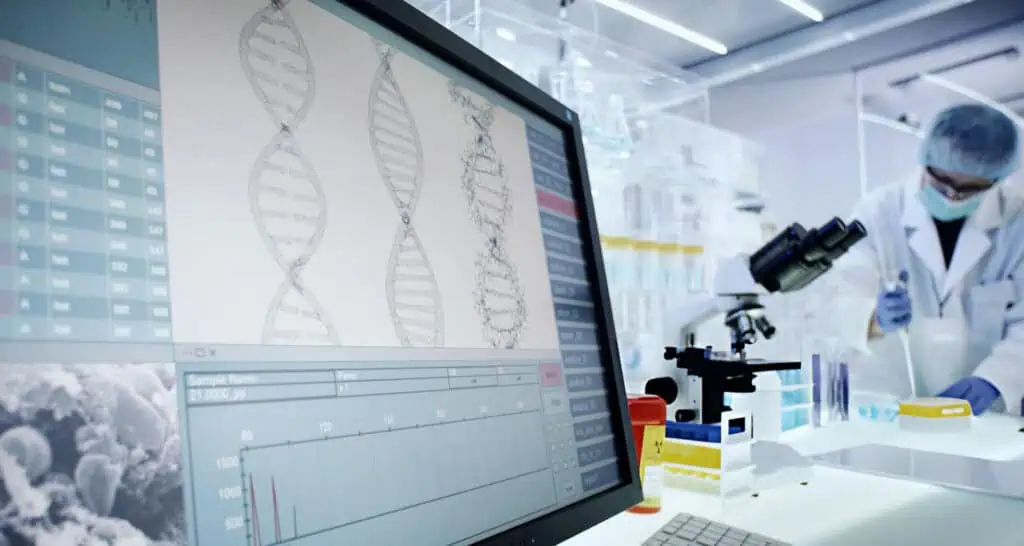
Molecular diagnostics employs a suite of techniques, each suited to specific analytical needs, from amplification to sequencing.
Polymerase Chain Reaction (PCR) remains foundational, exponentially amplifying target DNA or RNA segments for detection. Real-time PCR (qPCR) quantifies amplicons in real-time using fluorescent probes, ideal for viral load assessments. Digital PCR (dPCR) partitions samples into thousands of micro-reactions, providing absolute quantification without standards, excelling in rare mutation detection. Reverse transcription PCR (RT-PCR) converts RNA to cDNA, crucial for RNA viruses like influenza.
Next-Generation Sequencing (NGS) parallelizes sequencing, generating millions of reads simultaneously. Whole-genome sequencing (WGS) covers the entire genome, while targeted panels focus on disease-relevant genes, balancing depth and cost. NGS identifies structural variants, copy number alterations, and epigenetic modifications, with applications in metagenomics for microbiome analysis.
In Situ Hybridization (ISH) visualizes nucleic acids in tissue sections, with fluorescence ISH (FISH) detecting chromosomal abnormalities like HER2 amplification in breast cancer. CRISPR-based diagnostics, such as DETECTR, use Cas enzymes for specific cleavage and signal amplification, offering rapid, point-of-care testing.
Microarrays hybridize samples to probe arrays, profiling gene expression or SNPs en masse. Emerging techniques like nanopore sequencing provide long-read capabilities for complex genomes. These methods, often combined, enhance diagnostic resolution, with automation reducing turnaround times to hours.
Tools and Instruments
The arsenal of molecular diagnostics includes sophisticated instruments and reagents tailored for high-throughput, accurate analysis.
PCR cyclers, like Thermo Fisher’s QuantStudio series, automate thermal cycling with real-time monitoring. NGS platforms, such as Illumina’s NovaSeq or Oxford Nanopore’s MinION, offer scalable sequencing from benchtop to production levels. Automated extractors, like Qiagen’s QIAcube, streamline nucleic acid isolation, minimizing contamination.
Microarray scanners from Agilent or Affymetrix detect fluorescent signals for expression profiling. Flow cytometers, integrated with molecular probes, quantify cellular markers. Point-of-care devices, like Cepheid’s GeneXpert, deliver rapid results in non-lab settings.
Bioinformatics tools are equally vital: software like CLC Genomics Workbench analyzes sequencing data, while AI platforms like Sophia Genetics interpret variants. Reagents, primers, probes, and enzymes are sourced from suppliers like Roche or Bio-Rad, with quality controls ensuring reproducibility.
In 2026, integrated systems combining extraction, amplification, and detection, like Hologic’s Panther, optimize workflows. These tools, compliant with CLIA and ISO standards, enable scalable, cost-effective diagnostics.
Applications in Healthcare and Beyond
Molecular diagnostics permeates healthcare, from infectious disease management to personalized oncology.
In infectious diseases, it identifies pathogens swiftly: PCR detects SARS-CoV-2, while NGS tracks antimicrobial resistance in tuberculosis. For genetic disorders, it screens for cystic fibrosis mutations via carrier testing, informing family planning.
Oncology applications are profound: NGS profiles tumors for actionable mutations, like EGFR in lung cancer, guiding tyrosine kinase inhibitors. Liquid biopsies monitor ctDNA for minimal residual disease, predicting relapse.
Pharmacogenomics predicts drug responses: testing CYP2C19 variants optimizes clopidogrel dosing in cardiology. Prenatal diagnostics, via non-invasive prenatal testing (NIPT), screen fetal aneuploidies from maternal blood.
Beyond clinical use, it aids forensics for DNA profiling and agriculture for GMO detection. In research, it unravels disease mechanisms, accelerating drug discovery.
Market Growth, Technique Accuracy, and Diagnostic Outcomes
This section examines molecular diagnostics through quantitative lenses, drawing on 2025-2026 market analyses, technique performance studies, and clinical outcome data to highlight its efficacy and economic impact.
Market projections reflect robust expansion amid technological adoption. The global molecular diagnostics market was valued at USD 18.85 billion in 2025, projected to reach USD 19.36 billion in 2026, and USD 25.59 billion by 2033, growing at a CAGR of 4.06%. Another estimate pegs it at USD 45.11 billion in 2025, expanding to USD 46.61 billion in 2026 and USD 66.34 billion by 2035, with a 3.93% CAGR, driven by infectious disease testing and oncology. A third forecast values it at USD 19.48 billion in 2025, reaching USD 30.74 billion by 2030 at 9.6% CAGR, fueled by NGS and PCR advancements. Specialized segments, like oncology molecular diagnostics, were USD 3.06 billion in 2025, projected to USD 8.50 billion by 2034 at 11.99% CAGR. These figures underscore demand from aging populations and precision medicine, with North America leading due to infrastructure.
Technique accuracy data from studies affirm reliability. For PCR in cutaneous leishmaniasis diagnosis, a 2020 meta-analysis confirmed 93% sensitivity and 98-100% specificity, outperforming microscopy. In COVID-19, early 2020 Wuhan data showed RT-PCR sensitivity at 70.7% (95% CI: 66.4-75.3%), with false negatives up to 33.6%, highlighting limitations in low-viral-load samples. A 2025 study on VHS virus detection found standard PCR sensitivity at 10^-9 dilution, while alternatives were 10-fold lower. For UTI differentiation, a 2023 study reported urine biomarkers with 86% sensitivity (75-93%) and 89% specificity (82-94%), AUC 0.92.
NGS applications yield high diagnostic rates. In a 2025 study of 990 solid tumor patients, NGS detected tier I variants in 26%, with 13.7% receiving matched therapy; of 32 treated, 37.5% achieved partial response, 34.4% stable disease, median treatment 6.4 months. For rare diseases, WGS diagnostic yield is 41%, versus 35% for WES. In infectious diseases, mNGS in cerebrospinal fluid can diagnose unknown meningitis, prompting targeted therapy.
Genetic disease prevalence data show molecular diagnostics’ reach. In undiagnosed networks, 27.4% received diagnoses, 4.2% multiple molecular ones. Rare diseases affect 2-6% globally (>150 million), with 72% genetic; diagnostics identify 10-35% via advanced methods. In children, abnormal urinalysis prevalence is 4.3%, often genetic.
Cancer detection success: Multi-cancer early detection (MCED) tests show 27-95% sensitivity, higher for late stages. In thyroid nodules, RNA/DNA-RNA tests had 100%/97% sensitivity, 80%/85% specificity. These metrics demonstrate molecular diagnostics’ precision, though challenges like false negatives persist.
Recent Advancements in 2025
In 2025, molecular diagnostics saw breakthroughs in AI integration and CRISPR applications. AI-enhanced NGS data analysis, improving variant calling accuracy by 20-30% in oncology. CRISPR diagnostics, like DETECTR, achieved rapid STI detection with 95% sensitivity. Point-of-care innovations expanded to AMR and gastrointestinal pathogens, with Roche’s cobas liat gaining FDA clearance.
Quantum AI and digital PCR advanced ultra-sensitive detection, with dPCR/dLAMP reducing false negatives in low-abundance targets. Gene therapies for deafness and mitochondrial disorders succeeded in trials, while AI diagnostics improved HCC early detection. These advancements, per 2025 reports, promise broader accessibility and better outcomes.
Challenges and Ethical Considerations
Despite progress, challenges include high costs, NGS runs $500-1000 per sample, and access disparities in low-resource areas. Interpretation complexities arise from variants of unknown significance (VUS), affecting 20-30% of tests. Data privacy concerns escalate with genomic databases, necessitating robust regulations like GDPR.
Ethical issues involve incidental findings, genetic discrimination, and informed consent. Overdiagnosis from sensitive tests can lead to unnecessary anxiety or treatments. Standardization across platforms is needed to ensure reproducibility.
Conclusion
Molecular diagnostics has emerged as a pillar of modern medicine, leveraging techniques like PCR and NGS to deliver precise, timely insights. With market growth to USD 30-66 billion by 2030-2035 and proven accuracy in studies, it drives personalized care across diseases. As 2026 unfolds, AI and CRISPR integrations will further innovate, though addressing challenges is key. Ultimately, this field promises a future where diseases are intercepted early, treatments optimized, and health equity advanced.