
The pre analytical phase in laboratory testing encompasses all steps from the moment a test is ordered until the specimen reaches the analytical phase for processing. This phase includes patient preparation, specimen collection, labeling, handling, transport, and initial storage. Although it occurs before any actual testing begins, the pre analytical phase in laboratory testing accounts for the majority of errors that affect diagnostic accuracy. Studies consistently show that 60 to 70 percent of all laboratory errors originate in this phase, making it the single most influential determinant of whether a test result is reliable and clinically useful.
In clinical practice, physicians rely on laboratory results to guide diagnosis, monitor treatment, and assess prognosis. A single error in the pre analytical phase, such as improper venipuncture technique leading to hemolysis or delayed transport causing bacterial overgrowth in urine, can produce misleading data that leads to incorrect diagnoses or inappropriate therapy. For example, hemolyzed blood samples can falsely elevate potassium levels by 20 to 30 percent, potentially triggering unnecessary interventions for hyperkalemia. In high-stakes areas like emergency medicine or oncology, such errors can delay critical care or result in over-treatment.
The importance of the pre analytical phase in laboratory testing has grown with the increasing complexity of modern diagnostics. Automated analyzers have reduced analytical errors dramatically, shifting the burden of quality to the earlier stages. Regulatory bodies, including the Clinical and Laboratory Standards Institute and the International Organization for Standardization under ISO 15189, emphasize robust pre-analytical controls as a core requirement for laboratory accreditation. Despite this recognition, many laboratories still struggle with inconsistent practices across different collection sites, staff training levels, and transport conditions.
This article explores why the pre analytical phase in laboratory testing is the primary determinant of diagnostic accuracy. It examines the key steps involved, common sources of error, their clinical consequences, and evidence-based strategies for prevention. A detailed section presents real data from large-scale studies and reports between 2020 and 2025, quantifying error rates, the impact of specific pre-analytical factors, and the benefits of targeted interventions. By understanding and strengthening this phase, laboratories can significantly improve result reliability, reduce patient harm, and enhance overall healthcare efficiency.
Key Steps in the Pre Analytical Phase in Laboratory Testing
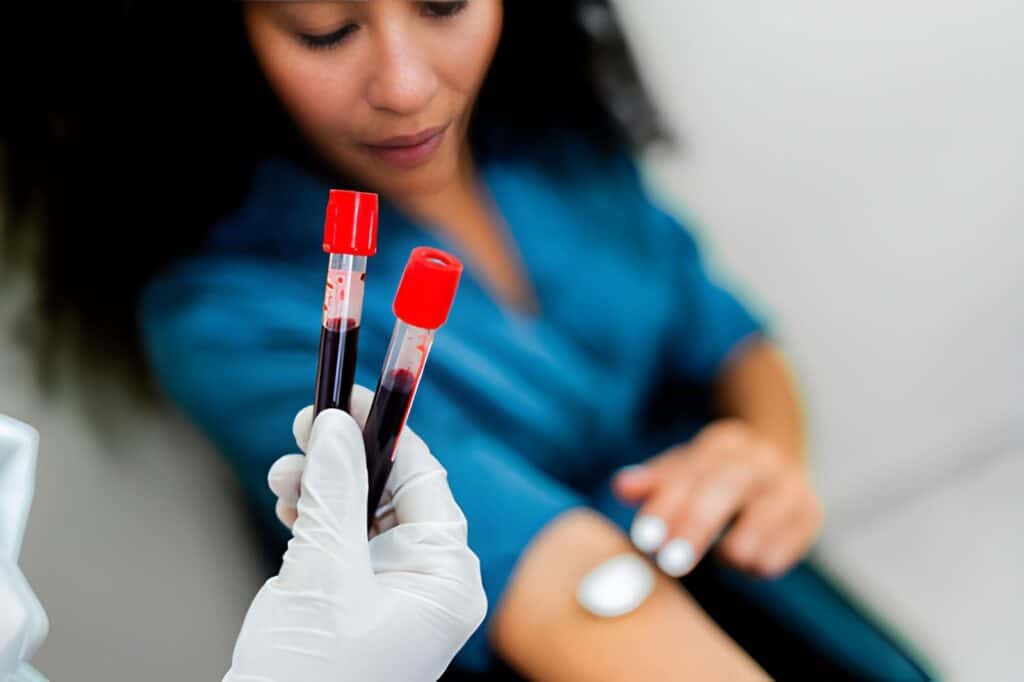
The pre analytical phase in laboratory testing begins with the test order and ends when the specimen is ready for analysis. Each step introduces potential vulnerabilities that can compromise sample quality.
Patient identification and test ordering set the foundation. Accurate patient matching using at least two unique identifiers prevents mix-ups that can lead to wrong results being reported on the wrong individual. Electronic order entry systems with decision support help ensure appropriate test selection, reducing unnecessary or redundant testing.
Specimen collection is the most error-prone step. Proper technique is essential: for blood draws, using straight needles rather than intravenous lines minimizes contamination and hemolysis. Skin disinfection with adequate drying time prevents the introduction of skin flora. For urine, clean-catch midstream collection reduces contamination from genital flora. Volume requirements must be met precisely, as underfilled tubes can alter anticoagulant-to-blood ratios and produce erroneous coagulation results.
Labeling must occur at the bedside immediately after collection. Labels should include patient name, unique identifier, collection time, and collector initials. Barcoding systems reduce transcription errors significantly compared to handwritten labels.
Handling and initial processing follow collection. Blood tubes require gentle inversion to mix additives without causing hemolysis. Some specimens, such as those for ammonia or lactate, must be placed on ice immediately. Urine samples for culture should be refrigerated if not processed within two hours to prevent bacterial overgrowth.
Transport conditions are critical for maintaining specimen stability. Refrigerated transport at 2 to 8 degrees Celsius is required for most chemistry and hematology samples, while certain microbiology specimens tolerate room temperature for limited periods. Delays beyond recommended windows allow glycolysis in glucose samples or clotting in anticoagulated blood.
Receipt and accessioning in the laboratory involve verification of specimen integrity, labeling accuracy, and matching with the test order. Any discrepancies trigger rejection and recollection protocols.
These steps form a chain where weakness in any link can propagate errors throughout the testing process, underscoring why the pre analytical phase in laboratory testing determines overall diagnostic accuracy.
Common Sources of Error in the Pre Analytical Phase in Laboratory Testing
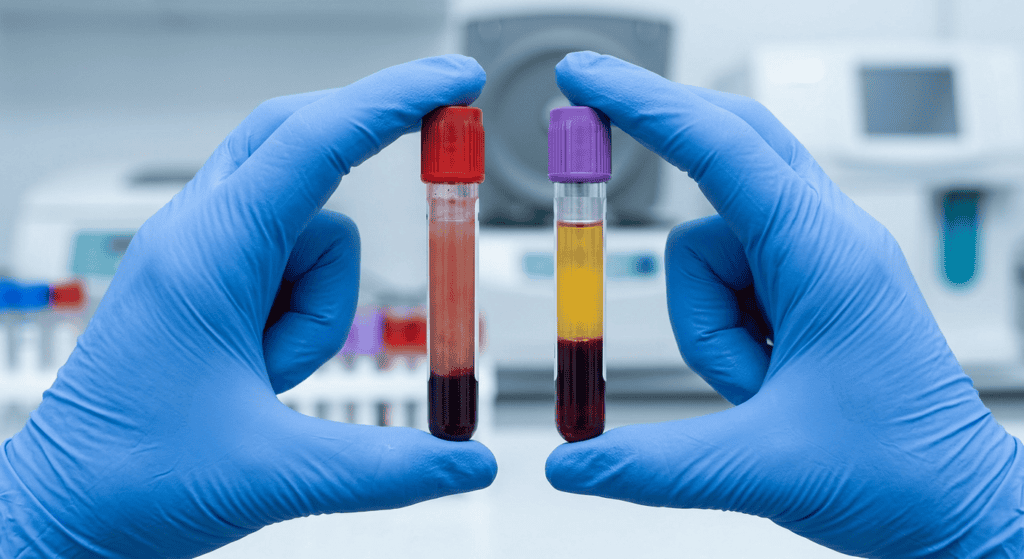
The pre analytical phase in laboratory testing is vulnerable to multiple sources of error, many of which are preventable through standardized procedures and training.
Patient-related factors include inadequate preparation, such as recent food intake affecting glucose or lipid levels, or exercise influencing certain enzymes. In pediatric or geriatric patients, difficult venipuncture increases the likelihood of hemolysis or insufficient volume.
Collection technique errors are frequent. Using small-gauge needles or excessive tourniquet time can cause hemolysis, falsely elevating potassium, lactate dehydrogenase, and other intracellular analytes. Drawing from intravenous lines without proper discard volume introduces dilution or medication contamination. In urine collection, failure to follow clean-catch instructions leads to contamination with squamous epithelial cells and bacteria, invalidating culture results.
Labeling and identification mistakes occur when labels are applied after leaving the patient or when handwritten information is illegible. Studies show identification errors range from 0.39 to 1.12 per 1,000 specimens, with higher rates in busy emergency departments.
Transport and storage issues include temperature excursions that promote bacterial growth in urine or cause clotting in blood. Prolonged delays allow glucose levels to decrease by 5 to 7 percent per hour at room temperature due to glycolysis.
Environmental contamination in the laboratory during initial handling can introduce artifacts, particularly in microbiology and molecular testing.
Staff-related factors, such as fatigue, inadequate training, or high workload, amplify these risks. Inexperienced personnel show higher rates of procedural errors compared to seasoned staff.
These sources collectively explain why the pre analytical phase in laboratory testing accounts for the majority of laboratory errors and why rigorous controls are essential.
Clinical Consequences and Risks of Errors in the Pre Analytical Phase in Laboratory Testing

Errors in the pre analytical phase in laboratory testing carry serious clinical consequences. False results can lead to misdiagnosis, inappropriate treatment, or missed opportunities for intervention. Hemolyzed samples, for instance, can mask true anemia or falsely suggest hyperkalemia, prompting unnecessary interventions that carry their own risks.
In infectious disease testing, contaminated urine cultures lead to overdiagnosis of urinary tract infections and overuse of antibiotics, contributing to resistance. Delayed or improper transport of blood cultures reduces sensitivity, potentially missing true bacteremia and delaying targeted therapy.
In coagulation testing, incorrect anticoagulant ratios from underfilled tubes produce falsely prolonged clotting times, which might result in unnecessary plasma transfusions or delayed procedures.
The economic impact is substantial. Repeat collections increase costs and patient discomfort, while erroneous results can extend hospital stays or trigger additional expensive testing. In one large analysis, pre-analytical errors affected 0.79 percent of specimens, with hemolysis alone accounting for nearly 70 percent of those issues.
Patient safety is compromised when errors lead to wrong diagnoses. Diagnostic errors contribute to significant morbidity and mortality, with pre-analytical issues playing a central role in many cases.
These risks emphasize that the pre analytical phase in laboratory testing is not a peripheral concern but the primary determinant of whether laboratory data can be trusted for clinical decision-making.
Strategies to Minimize Errors in the Pre Analytical Phase in Laboratory Testing
Effective strategies to reduce errors in the pre analytical phase in laboratory testing focus on standardization, training, technology, and quality monitoring.
Standardized protocols for collection, such as those from CLSI, provide detailed guidance on patient preparation, venipuncture technique, and specimen handling. Implementing these uniformly across all collection sites reduces variability.
Comprehensive training programs for phlebotomists and nursing staff emphasize proper technique, with regular competency assessments and refresher sessions. Simulation-based training has proven particularly effective for reducing hemolysis rates.
Technology solutions include barcode systems for positive patient identification, electronic order entry with decision support, and automated transport systems like pneumatic tubes that minimize handling time.
Temperature-controlled transport containers with data loggers ensure specimens remain within required ranges. Real-time tracking systems alert staff to delays or excursions.
Quality indicators, such as hemolysis rates, rejection rates, and turnaround times, should be monitored monthly. Root-cause analysis of rejected specimens guides targeted improvements.
Collaboration between laboratory and clinical teams ensures upstream practices align with laboratory requirements. Regular feedback meetings help address recurring issues.
These strategies, when implemented systematically, can reduce pre-analytical errors by 30 to 60 percent, significantly enhancing diagnostic accuracy.
Error Rates, Clinical Impact, and Intervention Outcomes in the Pre-Analytical Phase in Laboratory Testing

This section presents real data from studies and reports between 2020 and 2025 on the pre analytical phase in laboratory testing. It focuses on error prevalence, specific causes, clinical consequences, and the effectiveness of prevention strategies.
Pre-analytical errors consistently dominate laboratory issues. A 2025 comprehensive analysis of 37,680,242 billable results from approximately 11,000,000 specimens reported total errors at 0.23 percent of results and 0.79 percent of specimens. Pre-analytical errors accounted for 98.4 percent of all errors, with hemolysis responsible for 69.6 percent of pre-analytical issues. Even excluding hemolysis, pre-analytical errors still comprised 94.6 percent of the remaining problems.
A 2024 study in Medicine reviewed two years of data from a clinical chemistry laboratory and found an overall pre-analytical error rate of 12.1 percent across 55,418 samples. The emergency department showed the highest rate at 21 percent, followed by inpatient wards at 13.4 percent and outpatient settings at 7 percent. The most common errors included non-received samples at 3.7 percent and hemolysis at 3.5 percent.
Labeling and identification errors occur at rates between 0.39 and 1.12 per 1,000 specimens. In one study of 74,279 samples from a multispecialty hospital, 0.43 percent were canceled due to identification or labeling errors, representing 10.2 percent of all rejections. Error rates were highest for type and screen tests at 0.88 percent and crossmatch red blood cells at 1.02 percent.
Hemolysis rates vary widely by setting and collection method. Emergency departments frequently report rates between 6 and 30 percent. A 2023 study comparing collection methods in the emergency department found hemolysis at 7.3 percent with conventional vacuum systems versus 1.9 percent with an improved syringe method (p equals 0.001). Severe hemolysis dropped dramatically from 16.2 percent to 0 percent with the new technique.
Intervention studies show clear benefits. A 2024 systematic review and meta-analysis of blood culture contamination interventions found that chlorhexidine skin preparation, diversion devices, sterile technique, phlebotomy teams, and education reduced contamination by 40 to 60 percent. Chlorhexidine alone achieved an average reduction of 57 percent. The review stressed that implementation strategy and staff engagement were more important than the specific tool used.
In Ethiopia, proficiency testing performance improved from 59.7 percent acceptable in 2020 to 79.4 percent in 2022 after corrective actions that included enhanced training and transport protocols for the pre analytical phase.
Automation and process improvements yield substantial gains. A 2024 study on total laboratory automation in microbiology reduced culture turnaround time by 25 percent, allowing earlier antibiotic adjustments and lowering sepsis mortality by 8 percent in 500 intensive care unit patients.
A 2025 study on digital shadow integration with Lean Six Sigma in a high-volume laboratory reduced intra-laboratory turnaround time from 77.2 minutes to 69.0 minutes (10.6 percent reduction, p equals 0.0182) through better visibility and control of pre-analytical processes.
These data, drawn from millions of specimens and multiple large-scale studies, confirm that the pre analytical phase in laboratory testing accounts for 60 to 98 percent of errors, with hemolysis and identification issues being prominent. Targeted interventions consistently achieve 40 to 60 percent reductions in contamination and error rates, leading to improved turnaround times, fewer repeat collections, and better clinical outcomes such as reduced mortality in critical care.
Conclusion
The pre analytical phase in laboratory testing is the primary determinant of diagnostic accuracy because it accounts for the vast majority of errors that affect result reliability. From patient preparation and collection to transport and initial handling, each step introduces risks that can compromise specimen quality and lead to misleading laboratory data.
Real data from large-scale analyses show pre-analytical error rates ranging from 0.79 percent to 12.1 percent of specimens, with hemolysis and identification errors as leading causes. These errors contribute to diagnostic delays, unnecessary treatments, increased costs, and potential patient harm.
Fortunately, evidence-based strategies, including standardized protocols, targeted training, technology integration, and continuous monitoring, can reduce these errors by 30 to 60 percent or more. Laboratories that invest in strengthening the pre analytical phase in laboratory testing achieve more reliable results, improved efficiency, and better support for clinical decision-making.
As diagnostic testing grows more complex, prioritizing excellence in the pre analytical phase remains essential for delivering accurate, timely, and safe laboratory services that ultimately improve patient care.