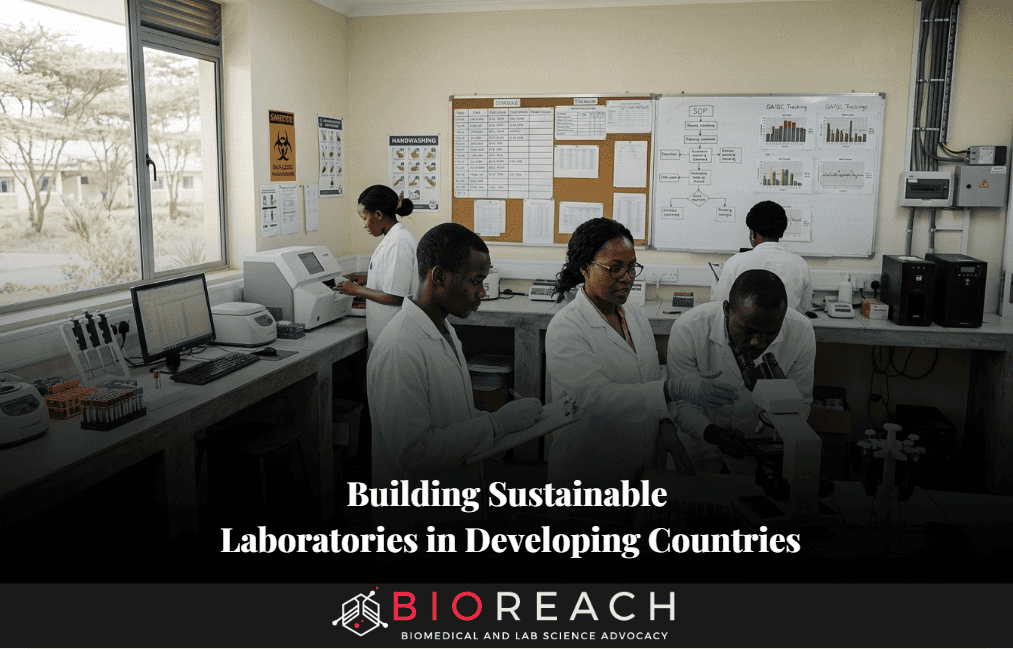
Building sustainable laboratories in developing countries requires more than donated equipment; it requires investment in quality management systems, trained local personnel, reliable infrastructure, and accreditation pathways that persist beyond any single funded project. Around 520 laboratories have received international accreditation across the African continent, but more than 370 of these accredited facilities are concentrated in South Africa alone,</cite> illustrating how uneven progress remains even where dedicated programs have operated for over a decade. Programs like WHO-AFRO’s SLIPTA and the SLMTA training framework have demonstrated that structured, mentorship-driven quality improvement can transform under-resourced laboratories, but sustainability depends on national ownership, sufficient funding, and workforce development that outlasts any single donor-funded initiative.
Diagnostic capacity in many developing countries, particularly across sub-Saharan Africa, has historically been fragile, underfunded, and heavily dependent on disease-specific donor funding rather than durable national infrastructure. Building laboratories that remain functional, accurate, and accredited over the long term, not just during a funded project’s active years, is one of the central challenges of global health equity. This article examines what sustainable laboratory development actually requires, the frameworks that have shown real success, and the barriers that continue to limit progress.
Why So Much Laboratory Capacity Remains Fragile
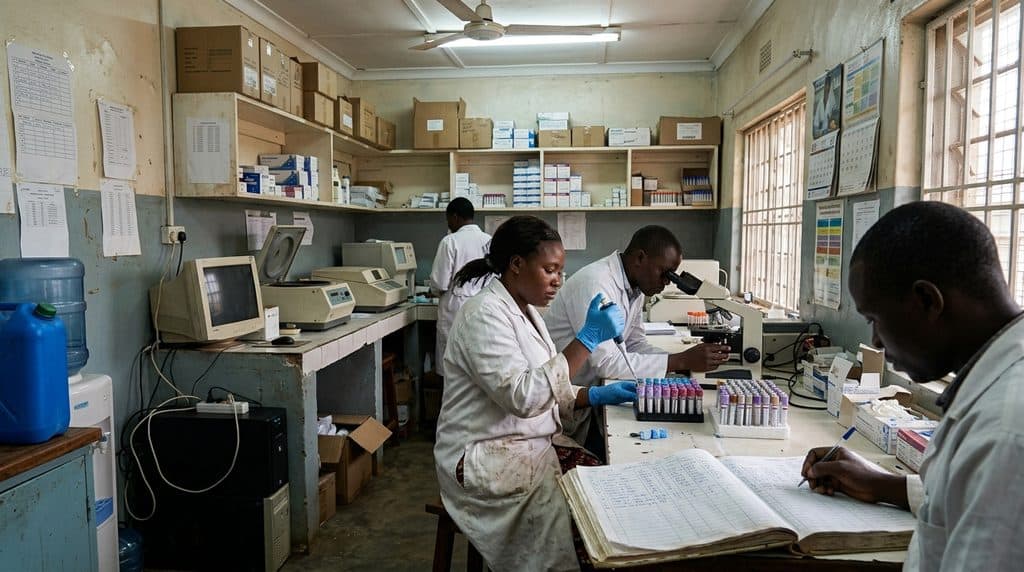
The roots of fragile laboratory infrastructure in many developing countries trace back to how health investment has historically been structured. Efforts to combat the HIV and AIDS pandemic underscored the fragile and neglected nature of many national health laboratories in Africa, revealing that even as disease-specific funding poured into HIV testing and treatment programs, the broader laboratory infrastructure needed to support that testing, and to support diagnosis of everything else, remained under-resourced.
This pattern of disease-specific rather than systemic investment has left persistent gaps even in well-funded disease areas. In tuberculosis diagnostics specifically, only 76 percent of estimated TB cases in the WHO African Region were diagnosed and notified in 2023, leaving a gap of 24 percent of cases missed entirely, and 54 percent of newly diagnosed TB patients were tested using WHO-recommended rapid diagnostics, falling far short of the United Nations target of 100 percent by 2027. Molecular testing methods have been adopted in the region, but uptake as an initial diagnostic tool remains slow among many countries, reflecting how the availability of advanced diagnostic technology does not automatically translate into its actual use at scale.
The structural barriers behind these gaps are consistent across disease areas and countries. Barriers to quality improvement include inadequate infrastructure such as unreliable electricity and a lack of access to quality control materials, insufficient trained personnel, limited knowledge of quality management systems, and inadequate funding for improvement projects. Disruptions in laboratory workflows from these infrastructure gaps are compounded by chronic underfunding of quality management, biosafety, and biosecurity programs, leaving laboratories poorly equipped to handle surges in demand during disease outbreaks.
What Sustainable Laboratory Development Actually Requires
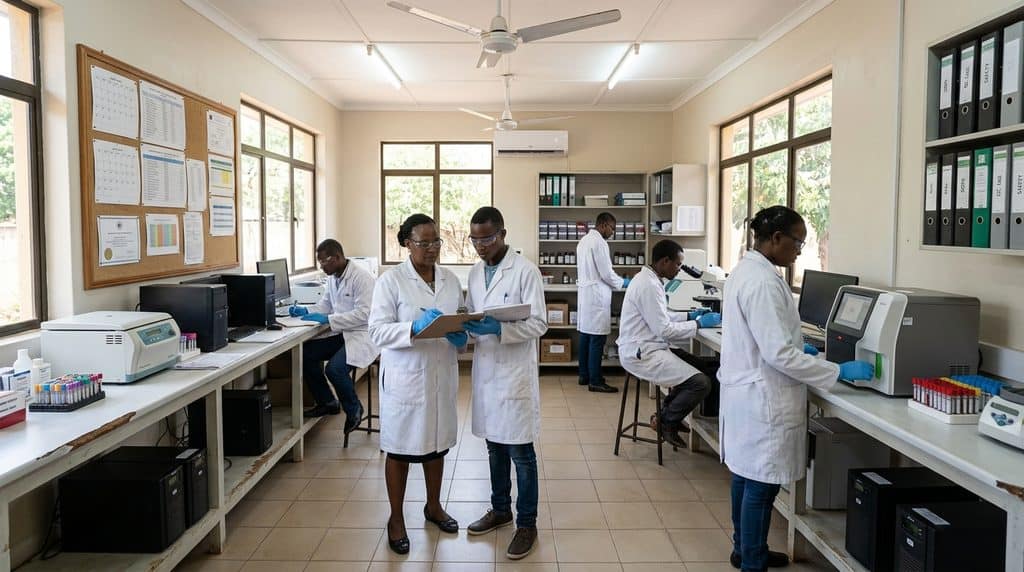
The evidence from successful laboratory strengthening programs points to several consistent elements that distinguish durable improvement from short-lived, donor-dependent progress.
Structured quality management frameworks provide the backbone for sustainable improvement. The WHO Regional Office for Africa’s Stepwise Laboratory Quality Improvement Process Towards Accreditation and the Strengthening Laboratory Management Toward Accreditation training programme, together with the Pan-African Society for Laboratory Medicine, continue to serve as the foundational platforms for national health laboratory infrastructure enhancement, capacity development, and overall quality system improvement. These frameworks work because they provide a defined, step-by-step pathway toward internationally recognized laboratory accreditation standards, rather than leaving individual laboratories to improvise quality improvement on their own.
Mentorship and hands-on training, not just equipment donation, drive the outcomes that matter. SLMTA implementation involves baseline audits, training, mentorship, and continuous monitoring to address gaps in quality management, a model that recognizes equipment alone does not produce accurate results; skilled, mentored personnel operating within a functioning quality management system do. This mirrors the broader principle that laboratory quality depends on the pre-analytical, analytical, and post-analytical processes that trained staff execute daily, not solely on the instruments available.
Tiered national laboratory networks allow limited resources to be deployed efficiently across different levels of the health system. Rather than attempting to provide comprehensive testing capability at every single facility, effective national laboratory strengthening organizes testing capacity into tiers, from basic point-of-care testing at the community level up through district and national reference laboratories capable of the most complex testing, ensuring that specimens and results can move efficiently between levels matched to actual clinical need.
Regional collaboration reduces costs that no single country can bear alone. Countries with established laboratory capacity have shared successful models of regional external quality assessment panel production to help offset costs, and cross-border mentorship and training initiatives in areas like genomics and bioinformatics allow countries with more developed laboratory systems to support neighbors building their own capacity, spreading the cost of specialized expertise across a wider base than any individual national budget could support alone.
National government ownership and priority-setting are essential to durability. Building a truly responsive and resilient laboratory infrastructure requires African governments to step up and take more active roles in these initiatives, defining priorities that reflect local needs and directing external support toward achieving nationally set goals, rather than allowing external donor priorities to dictate which diseases and which facilities receive investment, a pattern that has historically produced strong capacity for specific, well-funded diseases alongside neglect of the broader laboratory system.
The Documented Progress
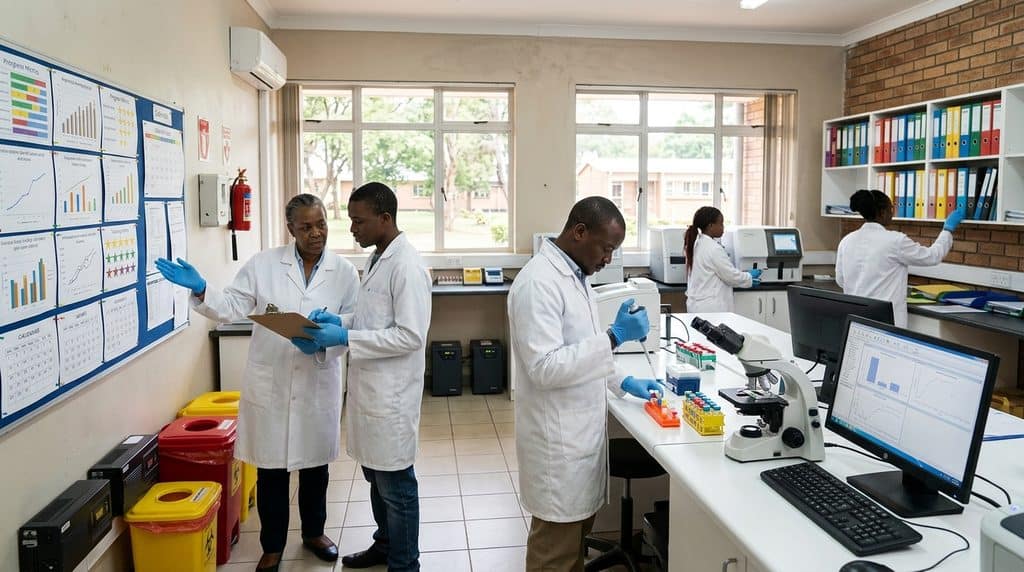
Despite the scale of remaining challenges, structured laboratory strengthening programs have produced measurable, real progress over the past decade and a half, providing a genuine evidence base for what works.
Since the SLIPTA programme’s 2012 launch, around 430 laboratories implementing laboratory quality management systems have been assessed across 17 countries, demonstrating growing awareness among national stakeholders of quality requirements and genuine commitment from the laboratory community to advance diagnostic services. Individual country success stories illustrate what is achievable with sustained commitment: Uganda’s national tuberculosis reference laboratory achieved WHO Supranational Reference Laboratory status in July 2013, and Benin’s achieved the same status in November 2017, both following years of evaluation confirming modern containment infrastructure, well-trained and committed staff, and strong links to other laboratories across the region.
Some countries have demonstrated particularly impressive coverage of the SLIPTA programme, notably Botswana and Namibia, showing that with sufficient political commitment and sustained investment, national laboratory systems in resource-limited settings can achieve accreditation coverage that rivals far wealthier health systems. These successes provide concrete proof that the barriers to sustainable laboratory development, while significant, are not insurmountable, and that the SLMTA and SLIPTA frameworks genuinely work when implemented with adequate resourcing and sustained national commitment.
The Gaps That Remain
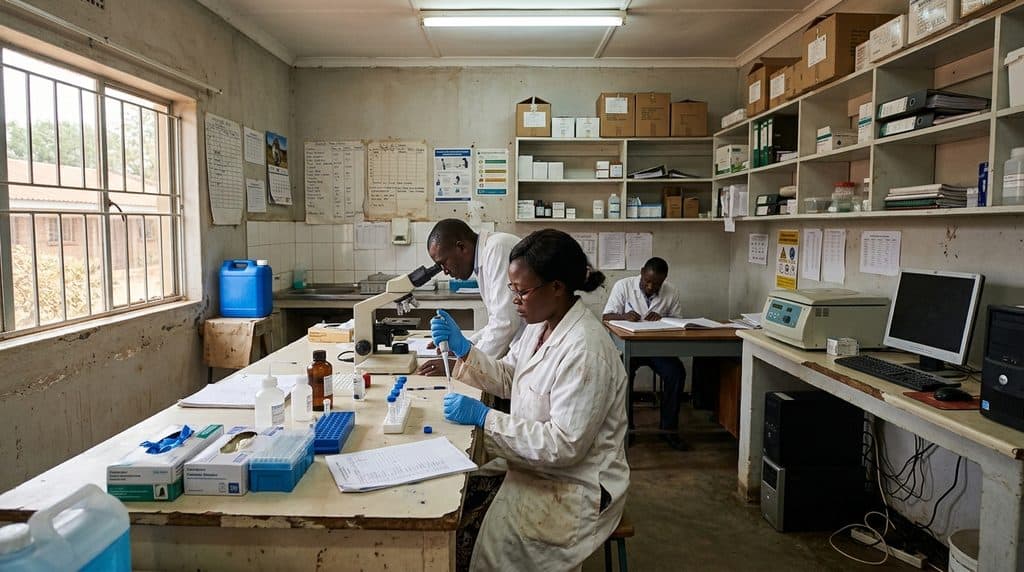
Honest assessment of global laboratory development requires acknowledging that progress, while real, remains far short of the scale needed.
Coverage gaps remain stark even in the most advanced programs. Assuming only half of government laboratories are hospital-based facilities that are the target for ISO 15189 implementation, the current number of laboratories engaged in SLIPTA represents only 0.3 percent of total government laboratories in Nigeria and 3 percent in Kenya, figures that illustrate how far current accreditation efforts remain from covering the full scope of national laboratory systems in even actively participating countries. The original SLIPTA program target of 2,500 enrolled laboratories has been reached only modestly, at around 430 laboratories across 17 countries since the program’s 2012 launch.
Geographic concentration of accredited capacity within individual countries mirrors the concentration across the continent as a whole. Just as South Africa accounts for the large majority of internationally accredited laboratories continent-wide, within many individual countries, accredited capacity concentrates in capital cities and major urban centers, leaving rural and remote populations with far less access to quality-assured diagnostic testing, a pattern that echoes rural diagnostic access challenges seen even in wealthy countries, but at a more severe scale.
Funding volatility continues to threaten sustainability. Because much laboratory strengthening funding has historically flowed through disease-specific international donor programs rather than domestic health budgets, laboratories built or strengthened through these programs remain vulnerable to funding shifts driven by donor priorities that can change independent of the recipient country’s actual diagnostic needs.
What Continued Progress Requires
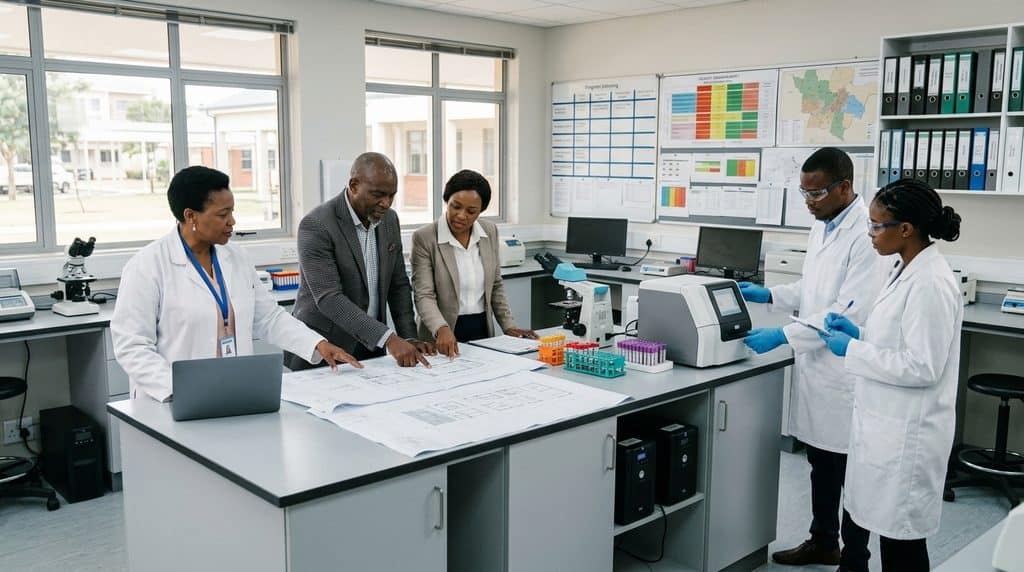
The evidence from over a decade of laboratory strengthening work points toward a clear, if demanding, path forward. Sustained domestic investment, not only external donor funding, is necessary to move laboratories from donor-dependent projects to durable national infrastructure, requiring governments to allocate meaningful budget toward laboratory systems as a health priority in their own right, not solely as an add-on to disease-specific programs.
Workforce development at scale remains essential and unfinished. Just as laboratory workforce shortages constrain diagnostic capacity in wealthy countries, building and retaining a sufficient trained laboratory workforce is foundational to sustainable laboratory development in resource-limited settings, requiring investment in local training programs rather than sole reliance on international staff and short-term technical assistance.
Expanding tiered network models to cover more of each country’s health system, rather than concentrating accreditation efforts in a small number of flagship facilities, would help close the coverage gaps that current data reveals. And continued regional collaboration, sharing costs, expertise, and quality assessment infrastructure across borders, offers a practical way to extend capacity further than any single country’s resources would otherwise allow.
Conclusion
Building sustainable laboratories in developing countries is achievable, and the evidence from programs like SLIPTA and SLMTA proves it, but genuine sustainability requires far more than equipment donations or short-term funded projects. It requires structured quality management frameworks, sustained mentorship and training, tiered national networks, regional collaboration, and, critically, national government ownership that persists independent of any single donor’s priorities or funding cycle.
The progress documented over the past decade and a half, hundreds of accredited laboratories, successful national reference laboratory achievements, and growing institutional commitment to quality systems, demonstrates that this work succeeds when pursued seriously. The gaps that remain, concentrated largely in coverage, rural access, and funding durability, define the next phase of work required to make quality-assured diagnostic testing a genuine, lasting reality across the developing world rather than a benefit available only in the best-resourced pockets of any given country.
Frequently Asked Questions
What makes a laboratory in a developing country sustainable rather than dependent on outside help?
Sustainability depends on structured quality management systems, ongoing mentorship and local staff training rather than one-time equipment donation, tiered national laboratory networks that deploy resources efficiently, and national government ownership that sets priorities and sustains funding independent of external donor cycles. Programs that provide equipment without this surrounding infrastructure tend not to produce durable improvement.
What are SLIPTA and SLMTA?
SLIPTA, the Stepwise Laboratory Quality Improvement Process Towards Accreditation, is a WHO Regional Office for Africa program that assesses laboratory progress toward international quality standards. SLMTA, Strengthening Laboratory Management Toward Accreditation, is a hands-on training program that combines baseline audits, training, and ongoing mentorship to help laboratories close quality gaps. Together, they form the primary framework used to build sustainable laboratory capacity across much of sub-Saharan Africa.
How many laboratories in Africa have achieved international accreditation?
Around 520 laboratories across the African continent have received international accreditation, but this progress is highly uneven: more than 370 of these accredited facilities are located in South Africa alone. In other large countries, the share of laboratories engaged in structured quality improvement programs remains very small, representing well under five percent of total government laboratories in some cases.
What are the biggest barriers to building sustainable laboratories in developing countries?
The most significant barriers include unreliable infrastructure such as inconsistent electricity, limited access to quality control materials, shortages of trained personnel, limited institutional knowledge of quality management systems, and inadequate or volatile funding, often tied to disease-specific donor priorities rather than durable domestic health budgets that would support the full laboratory system.
How does building laboratory capacity in developing countries connect to global health outcomes?
Laboratory testing informs the majority of medical diagnoses and treatment decisions worldwide, so gaps in laboratory capacity directly translate into missed or delayed diagnoses. In tuberculosis alone, roughly a quarter of estimated cases in the WHO African Region go undiagnosed and unreported each year, a gap directly connected to insufficient laboratory infrastructure and testing capacity, illustrating why laboratory strengthening is considered a core pillar of global public health and pandemic preparedness.
Bio-Reach is a non-profit organization dedicated to advancing Laboratory Medicine through advocacy, education, and global collaboration. To learn more or get involved, visit bio-reach.org.