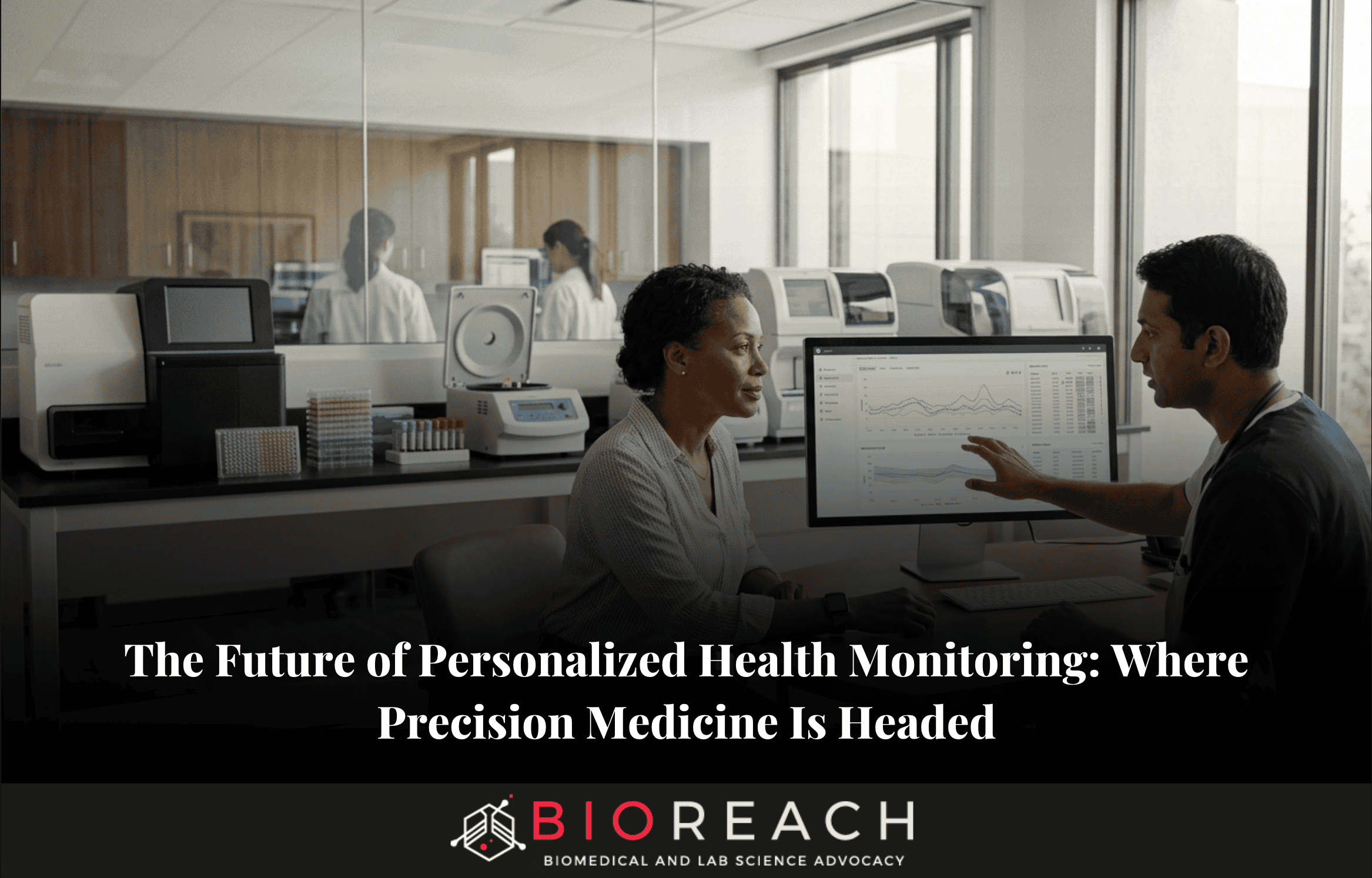
In recent years, advancements in genetic analysis and molecular diagnostics have provided powerful tools for understanding the complexities of human health. By studying our unique genetic blueprint through genetic testing and modern diagnostic technologies, scientists and healthcare professionals can uncover valuable insights into disease risk, inherited conditions, and individual health patterns. These innovations are transforming clinical laboratory science and reshaping how diseases are detected, prevented, and treated. From identifying genetic predispositions to enabling precision medicine and personalized treatment strategies, understanding what our genes reveal about our health is opening new possibilities for more proactive and effective healthcare.
One of the most compelling advantages is the ability to identify inherited conditions. Through genetic testing, individuals can now gain insights into their genetic predisposition to a wide range of diseases, enabling them to take proactive measures to mitigate risk. Armed with this knowledge, preventive interventions such as lifestyle modifications and targeted screenings become tangible options, potentially avoiding costly and invasive treatments in the future. Moreover, knowing our genetic susceptibilities empowers us to make more informed decisions about our lives, including choices regarding family planning or even career paths.
Furthermore, genetic analysis can guide the development of personalized treatment plans. The growing field of pharmacogenomics has demonstrated that our genetic makeup influences how we respond to medications. By identifying specific genetic variations, healthcare providers can tailor drug therapies to each individual’s unique requirements, maximizing efficacy and minimizing adverse effects. This breakthrough enables precision medicine, in which treatments are tailored to each person’s distinctive genetic characteristics, revolutionizing how we manage disease.
In conclusion, understanding what our genes can tell us about our health provides us with unparalleled advantages. From early disease detection to tailored treatments, genetic analysis enables a more proactive, personalized approach to healthcare. As the realm of genetics continues to unfold, the potential for further discoveries and transformative breakthroughs lies within our grasp. Embracing this invaluable tool will undoubtedly pave the way towards a healthier future for generations to come.
The Role of Molecular Diagnostics in Genetic Health Insights
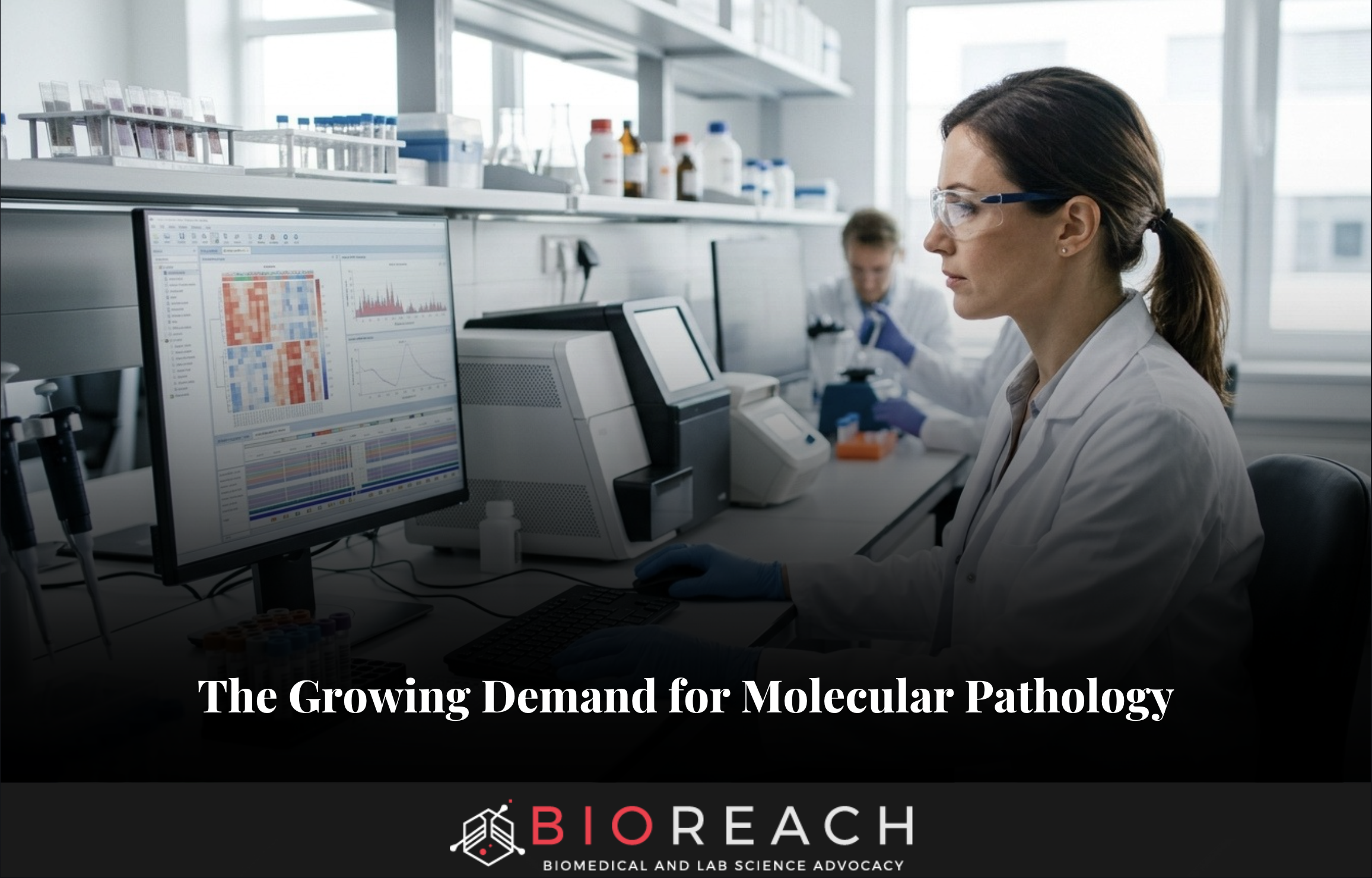
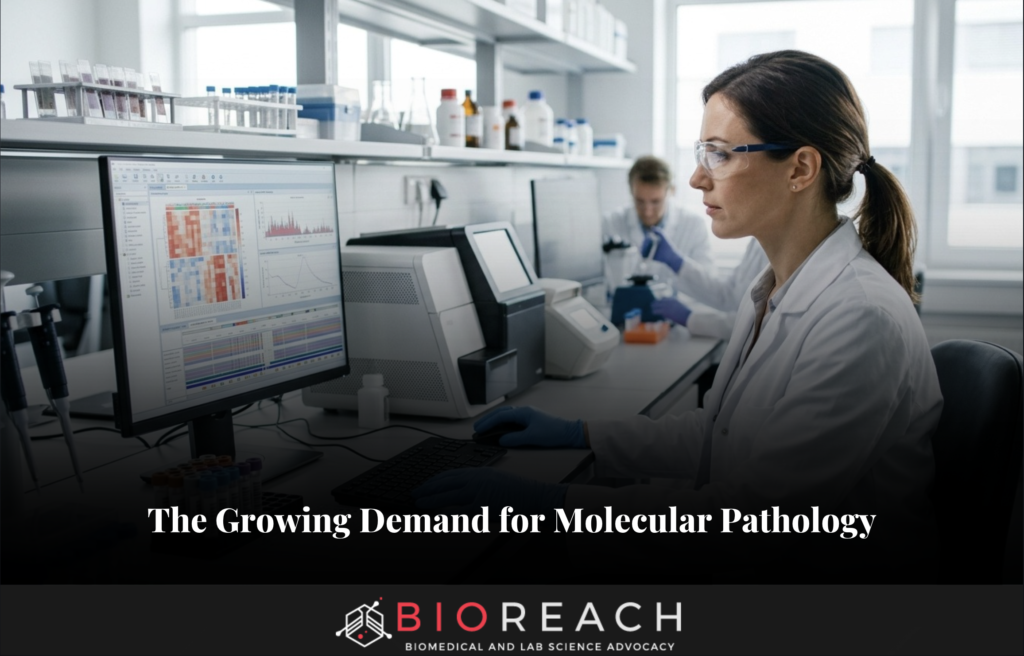
As genetic science continues to evolve, modern molecular diagnostics technologies are making genetic analysis more accurate and accessible than ever before. By examining DNA, RNA, and other biological markers, these advanced techniques enable healthcare professionals to identify disease risk, detect mutations, and monitor health conditions at an earlier stage. Recent advances in laboratory medicine have underscored the crucial role of molecular testing in detecting genetic disorders, guiding targeted therapies, and supporting precision medicine strategies.
Unlike traditional diagnostic approaches that rely primarily on symptoms or imaging, molecular diagnostics provides a deeper understanding of the biological mechanisms behind disease. For example, genetic screening can reveal mutations associated with conditions such as hereditary cancers, cardiovascular diseases, and metabolic disorders. Early detection through these methods allows clinicians to implement preventative care strategies and improve long-term health outcomes.
How Clinical Laboratories Support Genetic Testing
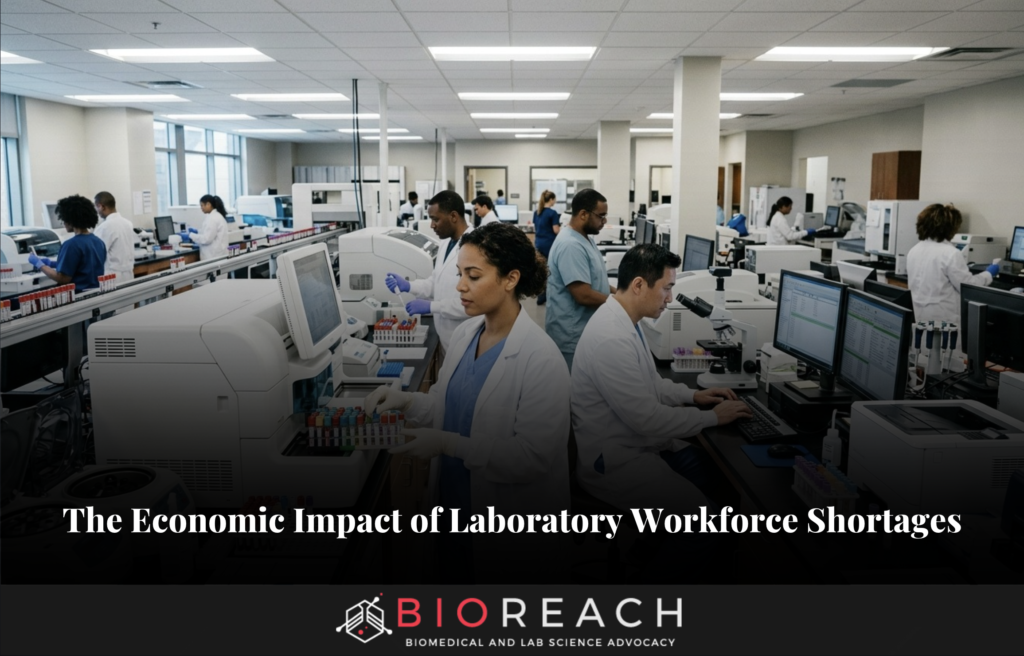
Behind every genetic test lies the critical work of clinical laboratory science professionals. Laboratories analyze biological samples, such as blood, saliva, or tissue, to extract genetic information and translate it into meaningful diagnostic insights. These laboratories combine advanced equipment, automated systems, and highly trained professionals to ensure accuracy, reliability, and timely results.
Clinical laboratories also integrate genetic data with other diagnostic tests to create a more comprehensive picture of a patient’s health. By combining genetic testing with biochemical assays, imaging, and clinical history, healthcare providers can make more precise medical decisions and personalize treatment plans. This integrated approach is becoming a cornerstone of modern healthcare, particularly in areas like oncology, rare disease diagnosis, and chronic disease management.
The Future of Genetic Medicine
Looking ahead, the future of healthcare will increasingly rely on genetics and laboratory-driven diagnostics. Emerging technologies such as next-generation sequencing (NGS), AI-assisted genomic analysis, and CRISPR-based testing are accelerating the discovery of new genetic markers and treatment pathways. These innovations promise faster diagnoses, more accurate disease-risk predictions, and therapies tailored to an individual’s unique genetic profile.
As access to genetic testing expands worldwide, education and awareness about laboratory medicine will also become increasingly important. Organizations dedicated to advancing laboratory medicine and healthcare education, such as Bio-Reach, play a vital role in building the next generation of healthcare professionals and improving access to reliable diagnostics.
Ultimately, genetic analysis is not just about predicting disease; it is about empowering individuals and healthcare providers with knowledge. By integrating genetics, advanced laboratory technologies, and clinical expertise, the healthcare system can move toward a future in which prevention, early detection, and personalized care are the standard for everyone.