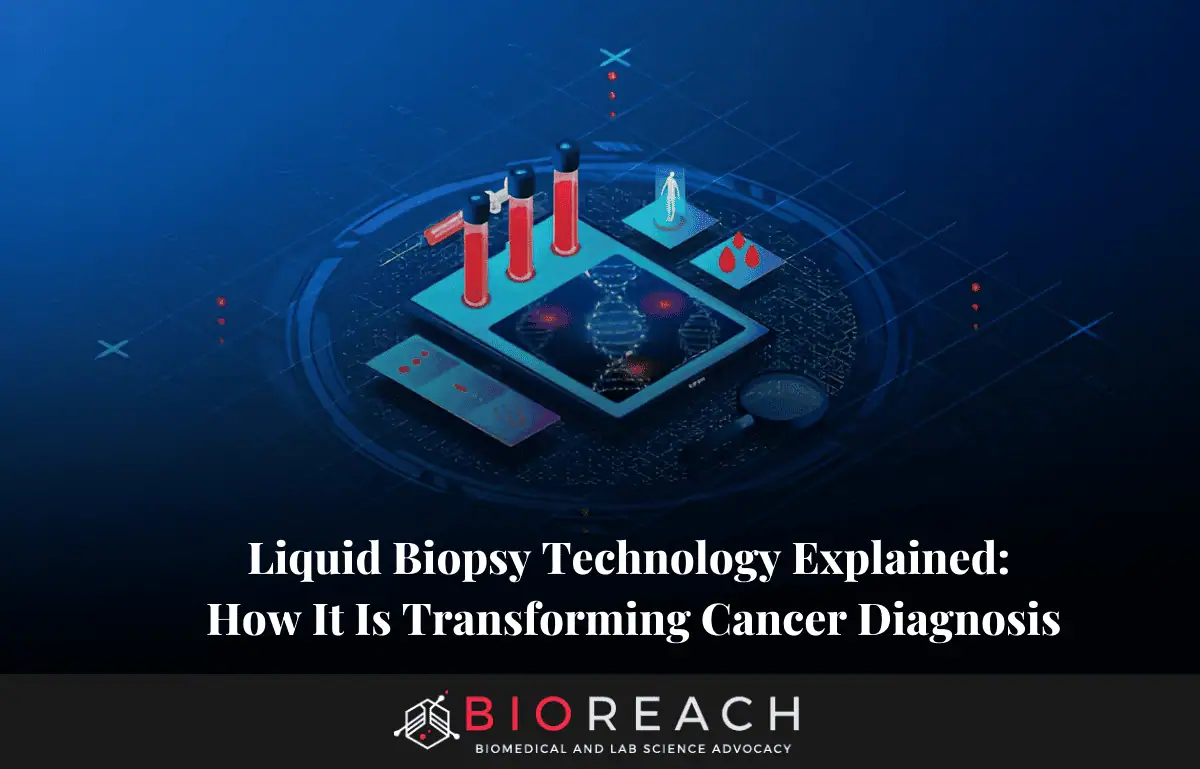
Liquid biopsy technology represents a paradigm shift in oncology, providing a minimally invasive alternative to traditional tissue biopsies for detecting and monitoring cancer. By analyzing circulating biomarkers in blood or other body fluids, this technology enables real-time insights into tumor genetics, treatment response, and disease progression. With cancer claiming nearly 10 million lives globally in 2022 and projected to rise to 16 million by 2040, early and accurate diagnosis is critical.
Liquid biopsy addresses this by detecting molecular signatures like circulating tumor DNA (ctDNA) at levels undetectable by imaging, potentially improving survival rates by up to 20-30% through earlier intervention. Its adoption has surged, with over 1,300 clinical trials involving cell-free DNA (cfDNA) documented in 2022 alone, and FDA approvals for assays like Guardant360 CDx highlighting its clinical utility. This article delves into the mechanics of liquid biopsy, its key components, clinical applications, and transformative impact on cancer diagnosis, supported by data from studies between 2023 and 2026. As precision medicine evolves, the integration of liquid biopsies with AI and multi-omics approaches promises to redefine cancer care, reducing diagnostic delays and personalizing therapies for diverse populations.
What is Liquid Biopsy Technology?
Liquid biopsy is a diagnostic technique that examines body fluids, primarily blood, but also urine, saliva, or cerebrospinal fluid, to identify cancer-related biomarkers without invasive tissue extraction. Unlike conventional biopsies, which require surgical procedures and may miss tumor heterogeneity, liquid biopsies capture a dynamic snapshot of the disease through circulating elements shed by tumors. This includes ctDNA, which comprises fragmented DNA from dying cancer cells; circulating tumor cells (CTCs), intact cells detached from tumors; and exosomes, small vesicles carrying proteins, RNA, and DNA.
The process typically begins with a simple blood draw (5-10 mL), followed by centrifugation to isolate plasma. Biomarkers are then extracted and analyzed using advanced molecular tools. For instance, ctDNA levels can indicate tumor burden, with concentrations ranging from <10 mutant fragments per 5 mL in early-stage gliomas to over 100,000 in advanced neuroblastomas. Normal cfDNA, derived from healthy cells, ranges from 1.005 to 1.030 ng/mL, while elevated ctDNA signals malignancy. Liquid biopsy’s non-invasive nature allows serial testing, facilitating monitoring every 4-6 weeks during treatment, compared to months for imaging.
In clinical practice, it’s used for screening high-risk individuals, confirming diagnoses, and guiding therapies. For example, in non-small cell lung cancer (NSCLC), it detects EGFR mutations with 78% sensitivity and 89% specificity in older adults. Adjustments for factors like age, inflammation, or exercise are essential, as these can influence biomarker levels. Overall, liquid biopsy bridges gaps in traditional diagnostics, offering a safer, more accessible tool for proactive cancer management.
History and Evolution of Liquid Biopsy
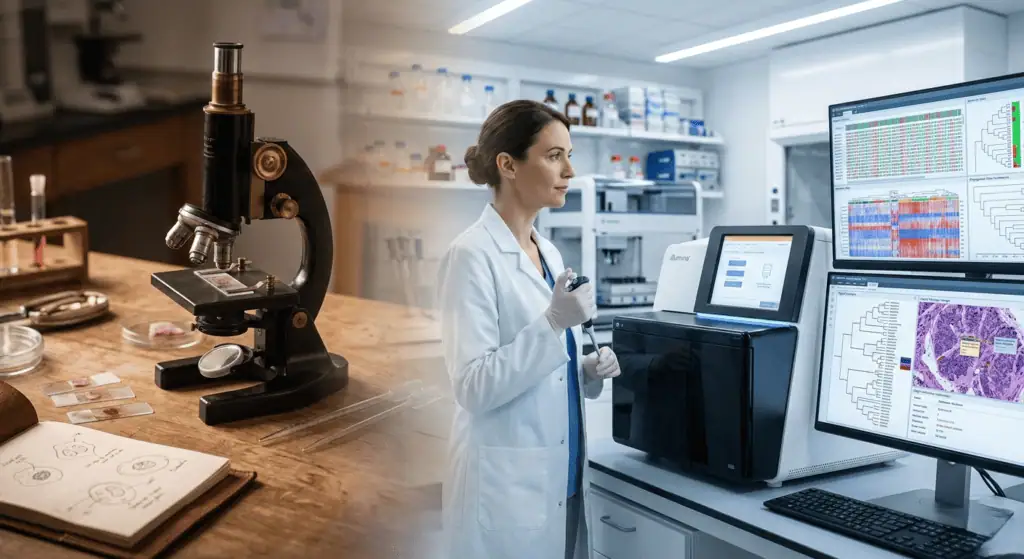
The concept of liquid biopsy technology traces back to the 19th century, when Thomas Ashworth observed tumor-like cells in blood in 1869, hinting at metastatic spread. However, it wasn’t until the 1940s that cell-free DNA was identified in serum, and the 1970s when elevated cfDNA levels were linked to cancer. The term “liquid biopsy” was coined in 2010 by researchers Catherine Alix-Panabières and Klaus Pantel, initially referring to CTCs but expanding to include ctDNA by the mid-2010s.
Modern advancements accelerated in the 2000s with next-generation sequencing (NGS) enabling sensitive detection of low-abundance mutations. The first FDA-approved CTC assay, CellSearch, arrived in 2004 for breast, colorectal, and prostate cancers. By 2016, the cobas EGFR Mutation Test v2 became the first ctDNA-based companion diagnostic for NSCLC. Recent milestones include the 2020 approval of Guardant360 CDx and FoundationOne Liquid CDx, which profile over 70 genes.
From 2023 to 2026, integration with AI and machine learning has enhanced accuracy. For instance, a 2024 study used AI to improve CTDNA detection in colorectal cancer, achieving 0.880 AUC for culture positivity. The field has evolved from research tool to clinical staple, with over 1,400 publications in 2024 alone, driven by falling sequencing costs (from $100 million in 2001 to <$1,000 today) and rising cancer incidence.
Key Biomarkers in Liquid Biopsy
Liquid biopsy relies on several biomarkers, each offering unique insights into cancer biology.
- Circulating Tumor DNA (ctDNA): Fragments of tumor-derived DNA (150-200 bp) reflecting somatic mutations, methylation patterns, and copy number variations. Detectable in >50% of advanced cancers, ctDNA levels correlate with tumor stage; low in early disease (<0.1% allele frequency) but high in metastasis. It’s ideal for monitoring minimal residual disease (MRD), with clearance post-treatment predicting better progression-free survival (PFS).
- Circulating Tumor Cells (CTCs): Rare intact cells (1-10 per mL in early stages, thousands in advanced) shed into the blood. CTC enumeration via EpCAM-based capture (e.g., CellSearch) prognosticates outcomes; clusters indicate higher metastatic potential. Challenges include EMT-induced marker loss, addressed by size-based or microfluidic isolation.
- Exosomes and Extracellular Vesicles (EVs): Membrane-bound particles (30-150 nm) carrying miRNA, proteins, and lipids. Tumor-derived exosomes promote metastasis and immune evasion; their analysis via ultracentrifugation or nanoarrays reveals diagnostic signatures, like miR-21 elevation in breast cancer.
- Cell-Free DNA (cfDNA) and RNA (cfRNA): Broader nucleic acids, including non-tumor sources. cfDNA methylation patterns detect early cancers with 69-100% sensitivity for candidiasis. cfRNA, including miRNAs, aids in differential diagnosis (e.g., accuracy 97.5% for Wilms tumor).
- Tumor-Educated Platelets (TEPs): Platelets altered by tumors, carrying spliced RNA. A 2022 database and 2023 lncRNA markers enhance CRC detection.
These biomarkers provide complementary data, with multi-analyte panels improving sensitivity from 50-78% to 90-100% in meta-analyses.
| Biomarker | Source | Detection Method | Clinical Utility | Sensitivity/Specificity (Example) |
| ctDNA | Tumor cell apoptosis | NGS, dPCR | MRD, mutation profiling | 78%/89% (bacteriuria in the elderly) |
| CTCs | Tumor shedding | Immunocapture, microfluidics | Prognosis, metastasis risk | 50-100%/73-98% (various cancers) |
| Exosomes | Tumor secretion | Ultracentrifugation, ELISA | Early detection, therapy response | 69.9-100%/73-97.3% (candidiasis) |
| cfRNA | Circulating RNA | qRT-PCR, NGS | Differential diagnosis | 97.5%/99.8% (Wilms tumor miRNAs) |
Technologies Used in Liquid Biopsy
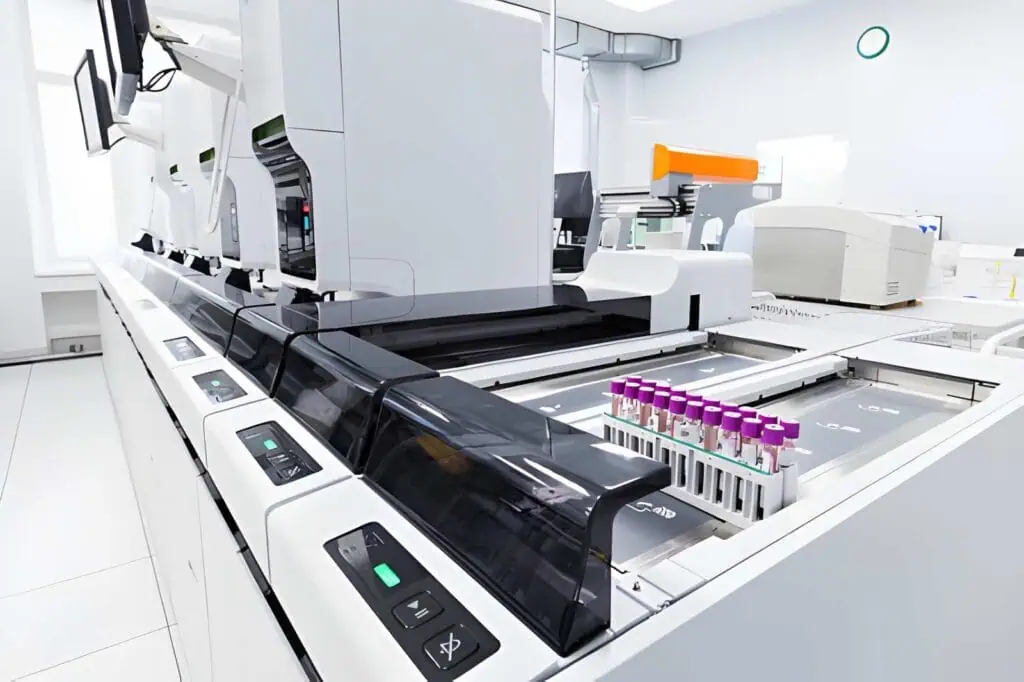
Liquid biopsy employs sophisticated technologies for biomarker isolation and analysis.
- Next-Generation Sequencing (NGS): A high-throughput method profiling hundreds of genes. Assays like Guardant Infinity detect ultra-low ctDNA (0.01% allele frequency), with 2024 advancements incorporating methylation and fragmentation for 0.907 AUC in albuminuria screening.
- Polymerase Chain Reaction (PCR) Variants: Digital PCR (dPCR) and droplet dPCR quantify rare mutations with single-molecule sensitivity. BEAMing (beads, emulsion, amplification, magnetics) achieves 0.01% detection limits.
- Flow Cytometry and Microfluidics: For CTCs, systems like Sysmex UF use fluorescence to count cells, while chips like Parsortix capture based on size/deformability, reducing contamination.
- Nanotechnology and AI: Nanoparticle-based enrichment boosts yield; AI models (e.g., 2024 CRC study) improve prediction from 0.718 to 0.880 AUC. TAPS (TET-Assisted Pyridine Borane Sequencing) enhances methylation analysis.
Automation minimizes variability, with turnaround times <1 week. Interference from ascorbate or hemolysis is mitigated by modern protocols.
Physical and Chemical Analysis in Liquid Biopsy
Physical analysis involves sample preparation: blood centrifugation at 400g for 5-10 minutes yields plasma, assessed for volume (normal 2-5 mL), clarity (turbid in infection), and specific gravity (1.005-1.030). Deviations signal dehydration or overhydration.
Chemical analysis detects analytes via reagent strips or analyzers. pH (4.5-8.0) shifts in acidosis; protein (e.g., albumin) elevates in nephropathy. Nitrites/leukocyte esterase indicate infection, with 78% sensitivity. Bilirubin/urobilinogen reflects liver issues.
Microscopic-like evaluation scrutinizes sediment for cells/crystals, using phase-contrast or polarized light. In liquid biopsy, this translates to flow cytometry for CTCs (>5/high-power field indicates inflammation) or NGS for ctDNA casts/mutations.
Microscopic Examination Equivalents
Centrifuged samples are examined under high power. Red cells (>3/HPF) signal hematuria; white cells (>5) signal pyuria. Casts (hyaline normal <2/LPF; pathological in glomerulonephritis) mirror tumor aggregates. Crystals (e.g., uric acid) guide therapy. Bacteria/yeast confirm infection.
Automation, like flow cytometry, quantifies with minimal variability; manual review for atypicals. This complements chemical data, clarifying positives.
Prevalence, Diagnostic Performance, and Predictive Values
Data from 2023-2026 studies affirm the liquid biopsy’s utility.
Prevalence: In a 2023 hospitalized cohort (n=3,392), 15.2% showed pyuria, 8.3% hematuria, varying by demographics (women 18.4% vs. men 10.6%). A 2024 pediatric study (n=70,822) reported 4.3% abnormalities, higher in girls (OR 2.0).
Performance: 2025 meta-analysis (n=1,200) for leukocyte esterase/nitrite: sensitivity 78%, specificity 89%, AUC 0.89. AI models boosted AUC to 0.880 for UTI prediction, reducing false negatives by 82%. For beta-D-glucan in fungal infections: sensitivity 69.9-100%, specificity 73-97.3%.
Predictive Values: In low-prevalence UTI (5%), nitrite PPV 60%, NPV 97%. In aspergillosis (10% prevalence), galactomannan PPV 43%, NPV 96%.
Outcomes: 2024 trial (n=500 ICU) reduced antifungal duration by 4 days via beta-D-glucan guidance. 2025 ML reduced cultures by 50%, AUC 0.967.
Market: Valued at $4.37B in 2024, projected to $6.85B by 2030 (CAGR 7.83%), with the UTI segment 24.07%. Other projections: $7.05B in 2025 to $22.69B by 2034 (CAGR 13.95%).
Clinical Significance of Key Indicators
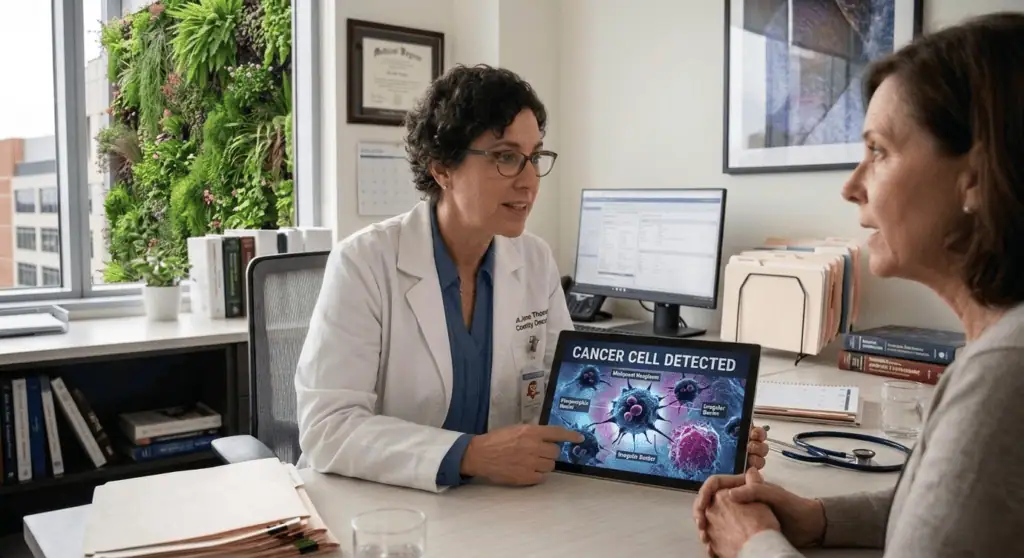
Indicators guide diagnosis and management. ctDNA mutations (e.g., EGFR) predict targeted therapy response; positivity post-surgery signals MRD, warranting adjuvant therapy. CTC counts >5/mL are associated with poor PFS in breast cancer. Exosome miRNAs differentiate benign from malignant with 94.7% specificity.
In NSCLC, ctDNA clearance improves OS. For CRC, lncRNA in TEPs offers diagnostic value. Collectively, these inform staging, monitor resistance, and screen populations.
Transforming Cancer Diagnosis
Liquid biopsy revolutionizes diagnosis by enabling early detection (e.g., MCED tests like Galleri, detecting 50+ cancers with 89% accuracy in origins). Trials like PATHFINDER (2023) and ACCELERATE (2023) reduced diagnostic time, accelerating treatment. In MRD, GALAXY, and BESPOKE CRC studies (2024-2025) showed ctDNA as a prognostic factor for recurrence, guiding chemotherapy.
It personalizes care: 76% of ACTT trial participants (2020-2023, n=4,229) received trial recommendations via ctDNA. Challenges include low early-stage sensitivity (50% in some), but AI and multi-omics (e.g., TriOx 2025) improve this.
Interpretation and Best Practices
Integrate results with history: ctDNA positivity with imaging confirms recurrence. Best practices: Use first-morning samples, automate for consistency, and confirm with tissue if needed. Train staff to reduce errors by 30%. In diabetes, combine with eGFR.
Conclusion
Liquid biopsy stands as a vital innovation, with biomarkers like ctDNA transforming cancer diagnosis through non-invasive, real-time insights. Data from 2023-2026 underscore its high performance (sensitivities 50-100%), with AI enhancing utility. By addressing challenges like standardization, it promises reduced errors and better outcomes, advancing precision oncology.