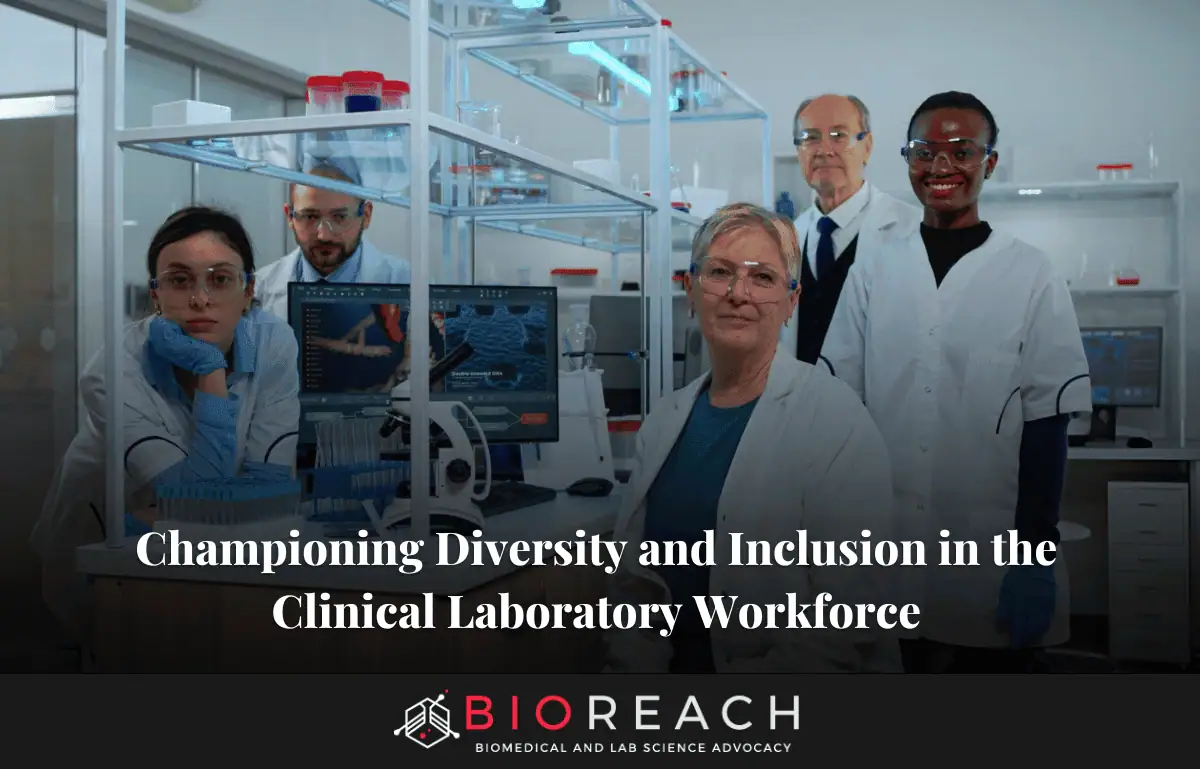
In the high-stakes environment of clinical laboratories, where diagnostic decisions influence patient trajectories and healthcare costs, diversity and inclusion (DEI) transcend aspirational ideals to become operational imperatives. Clinical labs process billions of tests annually, informing 70% of medical decisions, yet workforce demographics reveal persistent imbalances that undermine accuracy, innovation, and equity. As of 2024, public health laboratory staff are 63% female and 65% White, with only 6% Black/African American and 5% Hispanic/Latino representation, according to the Association of Public Health Laboratories (APHL) Workforce Profile Survey.
This article delves into the scientific, operational, and regulatory dimensions of DEI in clinical labs, drawing on empirical research, case studies, and emerging trends. It elucidates how diversity drives diagnostic precision and patient outcomes while offering actionable frameworks for lab administrators, HR teams, and leaders to foster inclusive cultures. By integrating insights from organizations like the American Society for Clinical Laboratory Science (ASCLS) and the American Society for Clinical Pathology (ASCP), we highlight tailored strategies that address industry-specific hurdles, such as staffing shortages and technological integration.
The Current Landscape: Demographics and Challenges in Clinical Labs

Clinical laboratory workforces face acute shortages, with vacancy rates hovering at 7-11% for medical laboratory scientists (MLS) and technicians, exacerbated by an aging demographic, 36% Gen X and 18% Baby Boomers per APHL data. Retirement projections indicate 15% of staff may exit within 3-4 years, straining operations amid rising test volumes from chronic diseases and pandemics. Diversity gaps are stark: While the U.S. population is 13% Black and 19% Hispanic, lab representation lags at 6% and 5%, respectively. Gender is skewed female-dominated (63%), but leadership roles often favor males, perpetuating inequities.
Industry challenges include unconscious biases in hiring, where “cultural fit” criteria disadvantage underrepresented groups, and microaggressions that erode retention 39% of lab staff intend to leave within four years, citing pay and growth limitations. Post-pandemic shifts have amplified these issues, with remote work options unevenly accessible and burnout higher among minorities due to added “minority tax” burdens, such as extra DEI labor. Emerging trends like AI integration in diagnostics risk amplifying biases if development teams lack diversity, as seen in genetic studies where European-centric data skews accuracy for non-White populations.
A 2024 scoping review of 52 DEI interventions in healthcare organizations underscores gaps: Most target medicine and nursing, with limited focus on labs, and few evaluate long-term outcomes. In clinical labs, underrepresentation narrows diagnostic lenses, overlooking unique patient needs, such as ancestry-influenced test results in hemoglobinopathies.
| Demographic Category | Public Health Labs (2024) | U.S. Population (2023 Est.) | Implications for Labs |
|---|---|---|---|
| Gender: Female | 63% | 51% | Female dominance in entry roles; male bias in leadership affects decision-making. |
| Race: White | 65% | 59% | Overrepresentation limits perspectives on diverse patient data. |
| Race: Black/African American | 6% | 13% | Underrepresentation may miss nuances in conditions like sickle cell. |
| Ethnicity: Hispanic/Latino | 5% | 19% | Gaps hinder cultural competence in multilingual settings. |
| Age: Millennials/Gen X | 75% | N/A | Aging workforce risks knowledge loss without diverse succession planning. |
| Disability | 8% | 13% | Low disclosure suggests inclusivity barriers in accommodations. |
Data adapted from APHL survey.
Scientific Implications: Enhancing Diagnostic Accuracy and Innovation

Diversity directly influences diagnostic accuracy by mitigating biases in test interpretation and development. Research from the National Center for Biotechnology Information (NCBI) shows that lack of diversity in genetics research, historically focused on European ancestries, limits variant detection, reducing accuracy for underrepresented groups by up to 30% in polygenic risk scores. In labs, diverse teams better identify population-specific anomalies, such as higher false positives in pulse oximetry for darker skin tones, as noted in a UK study on diagnostic equity.
Innovation thrives in inclusive environments: A 2020 study in PNAS found diverse teams produce 10-15% more novel solutions in scientific problem-solving. In clinical labs, this translates to faster adoption of technologies like point-of-care testing for diverse populations. For example, Boston Scientific’s data-driven DEI approach in clinical trials revealed ancestry-specific cardiovascular responses, informing lab protocols. Without inclusion, labs risk perpetuating health disparities, as seen in multiple sclerosis trials where myth-busting campaigns by ACP and MSAA boosted minority participation, improving diagnostic relevance.
Operational Implications: Patient Outcomes, Staffing Efficiency, and Leadership Culture
Inclusive labs improve patient outcomes through cultural competence, reducing errors from miscommunication e.g., language barriers affect 26% of lab staff who are multilingual. ASCLS research indicates diverse teams enhance patient-centered care, with racial concordance improving adherence by 20% in minoritized groups. Operationally, DEI cuts turnover: Labs with strong DEI report 15-20% higher retention, per a PMC review, by addressing workload inequities.
Staffing efficiency gains from diverse recruitment pipelines, countering projected 5% growth in lab jobs amid shortages. Leadership culture shifts with inclusion: Diverse leaders foster interdependence, reducing silos and boosting morale 95% satisfaction with coworker relationships in inclusive settings. Case in point: Yale’s integrative recruitment at the Center for Clinical Investigation diversified staff, enhancing trial efficiency and outcomes.
Regulatory Implications: Compliance and Accreditation Standards

U.S. Equal Employment Opportunity Commission (EEOC) enforces Title VII, prohibiting discrimination based on race, sex, and other protected classes, while allowing voluntary DEI programs if they avoid reverse discrimination. Recent EEOC guidance (2025) emphasizes that DEI must not harm any group, requiring merit-based decisions and monitoring for bias. For labs, this intersects with Office of Inspector General (OIG) compliance programs, mandating anti-fraud measures that include equitable practices.
Accreditation bodies like The Joint Commission introduced health equity standards in 2023, requiring labs to address disparities in care and workforce diversity through data collection and training. NAACLS accreditation for MLS programs includes DEI in curricula, promoting inclusive education. Emerging policy rollbacks, such as reduced affirmative action mandates for federal contractors, heighten risks that false certifications could lead to liability. Labs must audit programs for compliance, as seen in ADLM’s endorsement of workforce relief acts supporting underrepresented groups.
Real-World Examples and Case Studies
Merck’s DEI framework in clinical research exceeded diversity targets by 15% through enrollment trackers and community partnerships, adapting to labs by diversifying staff for better trial design. The All of Us Research Program achieved 80% underrepresented enrollment via inclusive hiring, demonstrating how lab workforce diversity accelerates biomarker discovery.
In pathology, the Pathologist’s “Diversity Drive” initiative partnered with underrepresented-serving universities, increasing minority hires by 10% and enhancing cultural competence training. A departmental DEI committee at an academic health center, detailed in a PMC study, improved climate ratings by 5-10% through surveys and retreats, reducing microaggressions. LabCorp’s year-long DEI content campaign, via Stories Incorporated, boosted employee engagement by highlighting diverse stories, cutting turnover by 12%.
Actionable Frameworks for DEI Improvement

Lab administrators can implement structured frameworks, drawing from ASCLS and PMC guidelines.
- Recruitment: Use blind screening and diverse panels; partner with HBCUs for pipelines, as in ASCP’s Career Ambassadors program. Target: Increase minority hires by 20% in two years.
- Training: Mandate annual cultural humility workshops using the HUMBLE model; integrate bias training in continuing education. Measure via pre-post assessments.
- Retention: Establish mentorship contracts and IDPs; offer flexible schedules to support work-life balance, addressing 36% of stay reasons.
- Leadership Pathways: Create sub-leader roles for underrepresented staff; use succession planning to diversify management.
- Bias Mitigation: Conduct anonymous climate surveys quarterly; implement anti-racism policies with “ouch/oops” protocols.
- Cultural Competence: Recognize holidays and provide multilingual resources; volunteer days contextualize research.
| Framework Component | Key Actions | Metrics for Success | Responsible Party |
|---|---|---|---|
| Recruitment | Diverse job postings, university partnerships | 15-20% increase in diverse applicants | HR Teams |
| Training | Bias and humility workshops | 80% participation, improved survey scores | Lab Administrators |
| Retention | Mentorship programs, flexible policies | Reduction in turnover to <10% | Leadership |
| Leadership Pathways | IDPs, sub-leader roles | 25% diverse promotions | Department Heads |
| Bias Mitigation | Surveys, policies | Fewer reported microaggressions | All Staff |
| Cultural Competence | Holiday recognition, resources | Higher job satisfaction (90%+) | HR and Leaders |
Emerging Trends in Healthcare Workforce Management
Post-2025 trends include AI-driven bias audits in labs, with tools flagging ancestry-skewed data. Policy shifts under new administrations may curb DEI mandates, shifting focus to voluntary, merit-based programs to avoid litigation. Upskilling for hybrid roles emphasizes DEI in training, while remote diagnostics enable global diversity. A 2025 AHA scan predicts influxes of new workers but stresses equity to meet needs. Labs must navigate these by embedding DEI in strategic plans, as in Zuellig Pharma’s Asia-Pacific assessment, which matured initiatives through data.
Conclusion
Championing DEI in clinical labs is essential for advancing diagnostic excellence, operational resilience, and equitable care. By addressing underrepresentation through evidence-based frameworks and adapting to regulatory and technological shifts, labs can foster innovative, inclusive cultures that benefit patients and professionals alike. Sustained commitment, informed by ongoing research, will ensure labs remain at the forefront of healthcare evolution.