
Capillary blood collection, often referred to as fingerstick or heelstick sampling, is a minimally invasive technique used to obtain small volumes of blood from superficial capillaries for diagnostic testing. This method draws blood from the rich network of tiny vessels just beneath the skin, typically yielding 10-500 microliters per puncture, in contrast to the larger volumes extracted via venous phlebotomy. Its simplicity and reduced discomfort make it particularly valuable in settings where venipuncture is impractical, such as in neonates, elderly patients with fragile veins, or point-of-care (POC) environments like clinics, pharmacies, or remote field sites. Capillary sampling enables rapid analysis of parameters such as glucose, hemoglobin, cholesterol, and infectious markers, supporting immediate clinical decisions without the need for extensive laboratory infrastructure.
The technique’s origins trace back to the early 20th century, when it was first employed for basic hematology assessments. Still, it gained prominence with the rise of POC testing in the 1980s, coinciding with the development of portable analyzers. Today, in 2026, capillary collection is integral to global health initiatives, from newborn screening programs detecting metabolic disorders to monitoring chronic conditions like diabetes in resource-limited areas. Its applications extend beyond routine diagnostics; during the COVID-19 pandemic, capillary samples facilitated widespread antibody testing via dried blood spots, demonstrating its scalability for public health surveillance.
However, capillary blood collection is not without nuances. The blood obtained is a mixture of arterial, venous, and interstitial fluid, which can introduce variability compared to pure venous samples, potentially affecting accuracy for certain analytes. Guidelines from organizations like the Clinical and Laboratory Standards Institute (CLSI) and the World Health Organization (WHO) emphasize standardized procedures to mitigate these risks, ensuring reliable results. This article provides a comprehensive exploration of capillary blood collection, detailing the step-by-step process, best practices, and applications. A dedicated section delves into real data from recent studies on accuracy, complication rates, and clinical outcomes, highlighting evidence-based insights. By adhering to these protocols, healthcare professionals can optimize patient safety, sample quality, and diagnostic reliability, ultimately enhancing care delivery in diverse settings.
Fundamentals of Capillary Blood Collection
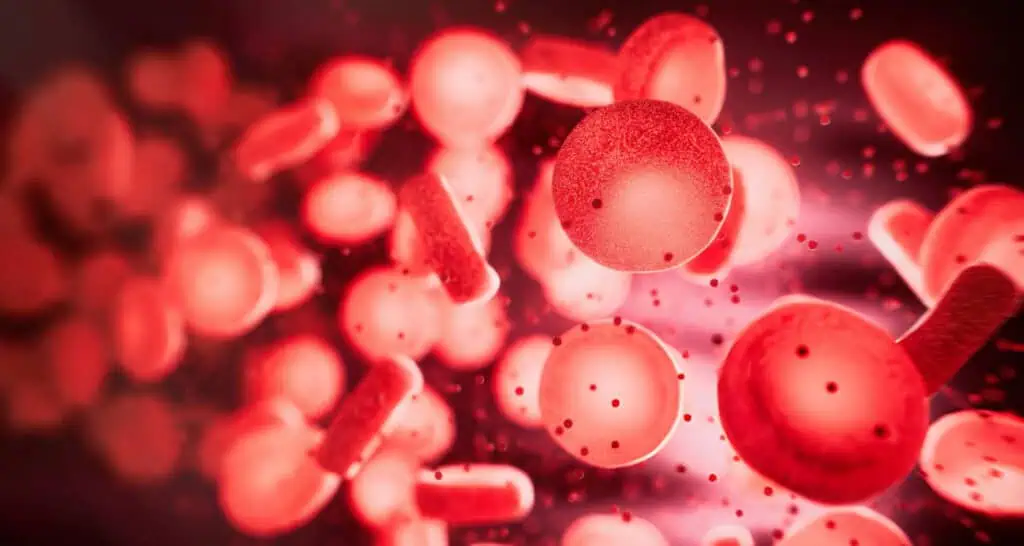
Capillary blood collection leverages the body’s peripheral circulation, where blood flows through a dense bed of capillaries in areas like the fingertips, heels, or earlobes. These sites are chosen for their accessibility and rich vascular supply, allowing blood to well up after a shallow puncture without requiring a tourniquet or deep needle insertion. The procedure is especially suited for tests requiring small volumes, as it minimizes trauma and blood loss, critical for vulnerable populations such as infants, where excessive sampling could lead to iatrogenic anemia.
Physiologically, capillary blood differs from venous blood in composition. It tends to have higher concentrations of glucose and potassium due to metabolic activity in tissues, while hemoglobin levels may vary based on sampling technique. This variability necessitates careful interpretation, particularly for analytes sensitive to hemolysis or dilution from interstitial fluid. Despite these differences, capillary sampling excels in POC scenarios, where immediate results from devices like glucometers or hemoglobin analyzers inform real-time management, such as adjusting insulin doses for diabetics.
Equipment for capillary collection includes lancets (sterile, single-use blades or needles with depths of 1-3 mm), collection devices (microtubes or capillary tubes), and analyzers. Lancets are calibrated by gauge and depth to suit patient age and skin thickness, shallower for neonates to avoid bone penetration. Safety-engineered lancets with retractable blades reduce needlestick injuries, aligning with occupational health standards. Once collected, blood is transferred to anticoagulated tubes or directly onto test strips, with immediate processing recommended to prevent clotting or degradation.
The method’s advantages include reduced pain, lower infection risk due to smaller punctures, and feasibility in non-clinical settings. However, limitations exist: it’s unsuitable for large-volume tests or coagulation studies requiring citrated blood, and improper technique can cause hemolysis, leading to falsely elevated potassium readings. Understanding these fundamentals ensures practitioners select capillary collection judiciously, balancing convenience with analytical integrity.
Step-by-Step Process for Capillary Blood Collection
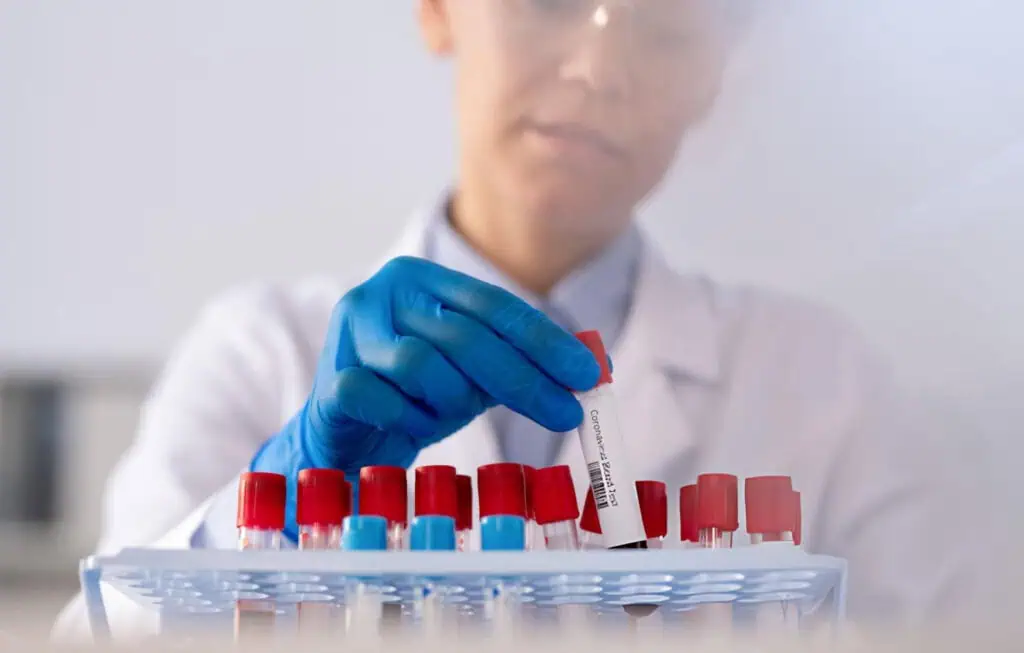
The capillary blood collection process demands precision to ensure sample quality and patient comfort. Begin with patient preparation: verify identity using two identifiers (name and date of birth), explain the procedure to alleviate anxiety, and obtain consent. Assess the patient for contraindications, such as infection at potential sites, poor perfusion from cold extremities, or conditions like Raynaud’s disease that impair circulation.
Next, select the appropriate site. For adults and older children, the palmar surface of the distal phalanx on the middle or ring finger is preferred, avoiding the thumb or index finger due to higher callus formation and sensory importance. In infants under six months, use the medial or lateral plantar heel surface, steering clear of the central area to prevent nerve damage or osteomyelitis. Warm the site if necessary, apply a warm compress (40-42°C) for 3-5 minutes to enhance blood flow, particularly in cold or vasoconstricted patients.
Don personal protective equipment (gloves, mask if needed) and clean the site with 70% isopropyl alcohol or chlorhexidine, allowing it to air dry for 30 seconds to avoid hemolysis from residual alcohol. Position the patient’s hand or foot downward to promote gravity-assisted flow. Use a sterile lancet: for adults, a 21-23 gauge with 1.8-2.5 mm depth; for neonates, 0.85-1.0 mm to minimize pain and tissue trauma.
Perform the puncture perpendicular to the skin ridges, applying firm pressure to create a quick, clean incision. Wipe away the first drop of blood, which may contain excess tissue fluid, then gently milk the site by applying intermittent pressure proximal to the puncture. Avoid excessive squeezing, which can cause hemolysis or dilution. Collect the blood into the appropriate device: for microhematocrit, use heparinized capillary tubes; for chemistry tests, lithium heparin microtubes. Fill to the required volume without air bubbles, and mix anticoagulated samples by inversion.
Seal and label the sample immediately with patient details, collection time, and site. Dispose of the lancet in a sharps container. Apply pressure with gauze until bleeding stops (usually 1-2 minutes), then cover with a bandage. Monitor the patient for adverse reactions like faintness. Process the sample promptly: analyze within 30 minutes for glucose to prevent glycolysis, or refrigerate if delayed, though this is suboptimal for some tests.
This structured approach, rooted in CLSI GP42 guidelines, ensures high-quality samples while prioritizing safety.
Best Practices for Optimal Results
Best practices in capillary blood collection focus on minimizing errors, enhancing accuracy, and ensuring patient welfare, guided by established standards from CLSI and WHO. Prioritize hygiene: perform hand hygiene before and after the procedure, and use single-use gloves to prevent cross-contamination. Site selection is critical, rotate fingers to avoid scarring, and avoid edematous or scarred areas that could yield diluted samples.
Warming the site is a key practice for improving flow, but limit to 42°C to prevent burns or hemolysis. Cleaning should be thorough but gentle; excessive scrubbing can cause skin irritation. Lancet choice matters: select depth based on age, deeper for thicker skin in adults, shallower for pediatrics, to reduce pain and complications.
During puncture, hold the lancet steady and perpendicular to minimize tissue damage. Post-puncture, gentle massage rather than vigorous squeezing preserves sample integrity, as excessive pressure can introduce interstitial fluid, skewing electrolyte or cell counts. For multiple tests, collect in order of priority: blood gases first (if applicable), then EDTA for hematology, followed by chemistry to avoid anticoagulant carryover.
Labeling must be immediate and accurate, including the collector’s initials. Transport samples upright to prevent mixing issues, and analyze promptly; delays beyond two hours can alter pH or glucose levels. In POC settings, calibrate devices daily and run quality controls.
Patient-centered practices include using distraction techniques for children, such as toys or parental involvement, and monitoring for vasovagal responses in adults. Documentation is essential: record site, complications, and results in the medical record.
These practices, when implemented, reduce preanalytical errors by up to 70%, as per CLSI recommendations, fostering reliable diagnostics.
Applications in Clinical and Point-of-Care Settings
Capillary blood collection finds extensive use in clinical and POC testing, where its convenience supports rapid, decentralized diagnostics. In pediatrics, it’s the gold standard for newborn screening, detecting disorders like phenylketonuria via heelstick samples analyzed for metabolites. For diabetes management, fingerstick glucose testing allows self-monitoring, with devices like continuous glucose monitors integrating capillary data for insulin adjustments.
In infectious disease, capillary samples enable POC tests for HIV viral load or malaria antigens, crucial in remote areas. Oncology benefits from capillary hemoglobin checks during chemotherapy to monitor anemia. Cardiovascular risk assessment uses capillary cholesterol panels in community screenings.
POC applications are expanding: pharmacy-based testing for CRP via fingerstick assesses infection risk, informing antibiotic decisions. In decentralized trials, self-collection kits like BD MiniDraw allow home sampling for biomarkers, enhancing participation. Serology for viruses like SARS-CoV-2 uses capillary dried blood spots for antibody detection, facilitating epidemiological studies.
These applications underscore capillary collection’s role in accessible, efficient healthcare, particularly in underserved regions.
Accuracy, Complication Rates, and Clinical Outcomes
This section examines capillary blood collection through empirical evidence from studies conducted between 2020 and 2026, focusing on accuracy versus venous sampling, complication rates, and clinical implications.
Accuracy comparisons reveal capillary sampling’s reliability for many analytes, though with caveats. A 2025 study published in the Journal of Applied Laboratory Medicine evaluated the BD MiniDraw system against venous draws for general chemistry panels in 41 healthy adults. Results showed clinical equivalence for kidney (creatinine, urea), liver (ALT, AST), and cardiac (troponin) markers, with biases under 5% and correlation coefficients >0.95. Capillary samples yielded sufficient volume (200-500 μL) for automated processing, supporting its use in non-phlebotomy settings like pharmacies. Similarly, a September 2025 PubMed study on 37 analytes using novel capillary procedures reported equivalence, with no significant differences (p>0.05) in electrolytes, lipids, or enzymes, affirming capillary blood as a venous alternative for routine testing.
For hematology, a 2022 Frontiers in Physiology study on hemoglobin mass (Hbmass) in athletes found capillary and venous samples comparable, with mean Hbmass 948.8 ± 156.8 g (capillary) versus 943.4 ± 157.3 g (venous, p=0.108), a bias of 14.45 ± 40.42 g, and a high correlation (r>0.9). Intravascular volumes were identical (6.5 L, p=0.752), though capillary variability was higher (TE% 5.5% vs. 2.1%). A 2025 bioanalysis study comparing four upper arm capillary technologies to venous in 41 subjects noted strong correlations (r=0.89-0.98) for chemistry panels, but capillary showed slight biases in glucose (+5%) due to tissue metabolism.
Coagulation assays perform well: a 2022 Clinical Biochemistry study on 50 patients found capillary prothrombin time (PT), INR, and fibrinogen equivalent to venous (biases <5%, p>0.05), but activated partial thromboplastin time (APTT) shorter in capillary (-10.4%, 95% CI -12.4 to -8.4), advising caution for heparin monitoring. Proteomics data from a 2025 Olink study showed strong correlations (r≥0.7) for 66% of 327 proteins between capillary and venous, with moderate (14%) and weak (20%) for others. Capillary often higher in low-correlation proteins due to hemoconcentration.
However, limitations emerge for hemoglobin: a 2022 Nutrients study on 50 adults reported drop capillary blood (DCB) with +0.42 ± 0.81 g/dL bias versus reference, 95% CI variation ±1.6 g/dL, concordance 0.86, deeming DCB unreliable for anemia diagnosis, while pooled capillary matched venous (bias -0.02 ± 0.36 g/dL, concordance 0.96). A 2025 syphilis study found capillary VDRL/TPHA sensitivity 99%, specificity 100%, equivalent to venous (p<0.001 agreement).
Complication rates are low but notable. A systematic review in NCBI Bookshelf analyzed venous but noted capillary parallels: vasovagal reactions 3.4% in a 4050-patient study (higher in men, 4.0% vs. 1.3%), pain/bruising 14.2% (women 38.1% vs. men 7.9%). No phlebitis reported. A 2021 Biochemical Medicine study on 1200 pediatric samples linked capillary to 16% preanalytical errors (vs. 8% venous), associated with multi-tube collection. A 2024 PLOS One study on self-collection noted 17.2% issues (insufficient blood/coagulation) in 29 adults. Pain is lower: a 2025 meta-analysis showed capillary standardized mean difference -0.65 (95% CI -0.96 to -0.35) versus venous, upper arm devices least painful. Infection risks rise with poor hygiene; a CLSI-linked article cited hepatitis B outbreaks from shared lancets, with spills in 1- several per 100 POC events.
Clinical outcomes improve with capillary: a 2025 CAP Today report on equivalence supports expanded access, reducing venipuncture needs. In POC, capillary CRP testing via LumiraDx (2025 study) aids antibiotic stewardship, with 4-minute results. These data affirm capillary’s utility when standardized, though drop methods warrant caution for precision-critical tests.
Challenges and Troubleshooting
Challenges in capillary collection include inadequate flow in dehydrated patients, hemolysis from squeezing, and contamination from improper cleaning. Troubleshooting: hydrate patients pre-procedure, use warming to boost perfusion, and recollect if hemolyzed (pink serum). For pain, apply topical anesthetics in pediatrics. Variability in drops requires pooling for accuracy. Infections are rare but prevented by single-use devices and hygiene.
Conclusion
Capillary blood collection offers a versatile, patient-friendly alternative to venipuncture, with proven accuracy for many applications when following guidelines. Real data highlights its equivalence in chemistry panels but cautions for hemoglobin drops. By embracing best practices, healthcare can leverage this method for efficient, accessible diagnostics.