
In the vast machinery of modern healthcare, medical laboratory professionals operate as the silent engines driving diagnostic accuracy, treatment decisions, and public health responses. These dedicated individuals, medical laboratory scientists, technicians, pathologists, and phlebotomists, work tirelessly behind the scenes, analyzing samples that inform up to 70% of clinical decisions. Yet, their contributions often go unrecognized amid the spotlight on physicians and nurses. Medical Laboratory Professionals Week (MLPW), observed annually in the United States, serves as a dedicated time to spotlight these essential workers, fostering appreciation and awareness of their indispensable role.
In 2025, MLPW was celebrated from April 20 to April 26, aligning with a tradition that has spanned over four decades to highlight the profession’s impact on patient care and medical advancements. This week not only honors their expertise but also addresses pressing issues like workforce shortages and burnout, which have intensified post-COVID-19. As we reflect in late 2025, the year’s celebrations underscored the profession’s resilience, with events across hospitals, labs, and communities emphasizing themes of innovation and dedication. Organizations like the American Society for Clinical Laboratory Science (ASCLS) and the American Society for Clinical Pathology (ASCP) led initiatives to educate the public, drawing attention to how these professionals process over 4 billion laboratory tests annually in the U.S. alone, a staggering volume that underscores their foundational role in healthcare.
The significance of MLPW extends beyond mere recognition; it is a call to action for addressing systemic challenges. With employment in the field projected to grow only 2% from 2024 to 2034 slower than the national average for all occupations, the week highlights the need for recruitment and retention strategies. This article delves into the history of MLPW, profiles these professionals with real-world data, explores their critical contributions, especially during pandemics, examines ongoing challenges, and offers practical ways to celebrate their work. By honoring these unsung heroes, we not only express gratitude but also advocate for a stronger, more supported laboratory workforce that safeguards public health.
History and Significance of Medical Laboratory Professionals Week

The origins of Medical Laboratory Professionals Week trace back to the 1970s, when the profession sought greater visibility amid growing healthcare complexities. Initially established as National Medical Laboratory Week in 1975 by the ASCLS and other allied health organizations, it aimed to educate the public about the vital, often invisible, work of lab professionals. Over the years, it evolved into MLPW, expanding to include a broader array of roles from histotechnologists to cytotechnologists. By the 1980s, the week gained national prominence, with proclamations from governors and presidents acknowledging the profession’s contributions to disease detection and prevention.
In 2025, the week retained its April timing, specifically April 20-26 to coincide with spring renewals in healthcare awareness campaigns. Governors like North Carolina’s Josh Stein issued official proclamations, emphasizing the week’s role in boosting morale and public understanding. The ASCP, for instance, launched its 2025 Wage Survey during the week, collecting data from over 10,000 professionals to inform policy on compensation and working conditions. This timing was strategic, as it aligned with post-pandemic reflections on lab roles in crisis management.
The significance of MLPW lies in its dual focus: internal appreciation and external advocacy. Internally, it combats burnout by fostering team spirit through events and recognitions. Externally, it demystifies the lab’s role, countering misconceptions that lab work is merely routine. For example, during the 2025 celebrations, themes like “Lab Story: To Infinity and Beyond For Our Patients” inspired merchandise and activities that highlighted futuristic innovations in diagnostics, such as AI-assisted testing. Organizations like the College of American Pathologists (CAP) joined global efforts, appreciating the dedication that processes billions of tests yearly, directly influencing patient outcomes in everything from cancer screenings to infectious disease tracking. As healthcare evolves with technologies like automation, MLPW remains a pivotal platform for advocating sustainable practices and professional development.
Who Are Medical Laboratory Professionals? Profiles and Statistics

Medical laboratory professionals encompass a diverse group of highly trained individuals who ensure the reliability of diagnostic data. At the forefront are medical laboratory scientists (MLS), who hold bachelor’s degrees and perform complex analyses, interpreting results that guide treatments. Technicians, often with associate degrees, handle routine testing and sample preparation. Pathologists, as physicians specializing in lab medicine, oversee operations and diagnose via tissue examination. Phlebotomists specialize in blood collection, a critical first step where errors can affect up to 70% of lab inaccuracies.
Demographically, the workforce is predominantly female (about 70%), with an average age skewing toward 50, raising concerns about impending retirements. In the U.S., clinical laboratory personnel and allied health professions constitute an estimated 60% of the entire healthcare workforce, yet they remain underappreciated. According to the U.S. Bureau of Labor Statistics (BLS), there are approximately 344,200 clinical laboratory technologists and technicians employed as of 2024, with projections indicating an average of 24,200 openings annually through 2034 due to retirements and demand growth. However, educational bottlenecks exacerbate shortages: the number of medical laboratory training programs has declined by 15% over the past decade, limiting new entrants.
Vacancy rates are alarmingly high, reaching up to 25% in some clinical labs, straining operations and delaying results. The ASCP’s 2025 Wage Survey, which garnered responses from over 10,000 professionals, revealed median wages around $70,000 for MLS, varying by region and experience, but often insufficient to attract talent amid rising living costs. Internationally, similar trends persist; in 2025, H-1B visa programs for foreign-trained scientists became pivotal, filling gaps in underserved areas. These statistics paint a picture of a profession rich in expertise requiring certifications like ASCP’s MLS credential but facing sustainability threats that MLPW aims to mitigate through visibility and advocacy.
Vital Roles in Healthcare

Medical laboratory professionals are the backbone of diagnostics, performing tasks that range from routine blood counts to advanced molecular testing. In hematology labs, blood smears are analyzed to detect anemias or leukemias, with accuracy rates exceeding 95% in automated systems. Microbiology sections identify pathogens, crucial for antibiotic stewardship, while chemistry labs measure biomarkers like cholesterol or glucose, informing chronic disease management.
Their work extends to public health, where surveillance testing tracks outbreaks. In oncology, cytotechnologists screen Pap smears, reducing cervical cancer mortality by up to 80% since the widespread adoption. During routine operations, labs process an average of 10-15 million tests per large hospital annually, with turnaround times under 24 hours for most assays. This efficiency enables clinicians to make evidence-based decisions, preventing misdiagnoses that could cost lives or billions in unnecessary treatments.
Innovation plays a key role; in 2025, labs integrated AI for image analysis in pathology, improving detection speeds by 30%. Professionals also contribute to research, developing assays for emerging threats like antimicrobial-resistant bacteria. Overall, their precision ensures that healthcare is not based on guesswork, but rather on science-driven principles, with lab data influencing 70% of medical decisions and supporting personalized medicine through genomic testing.
Contributions During Crises: Focus on Pandemics
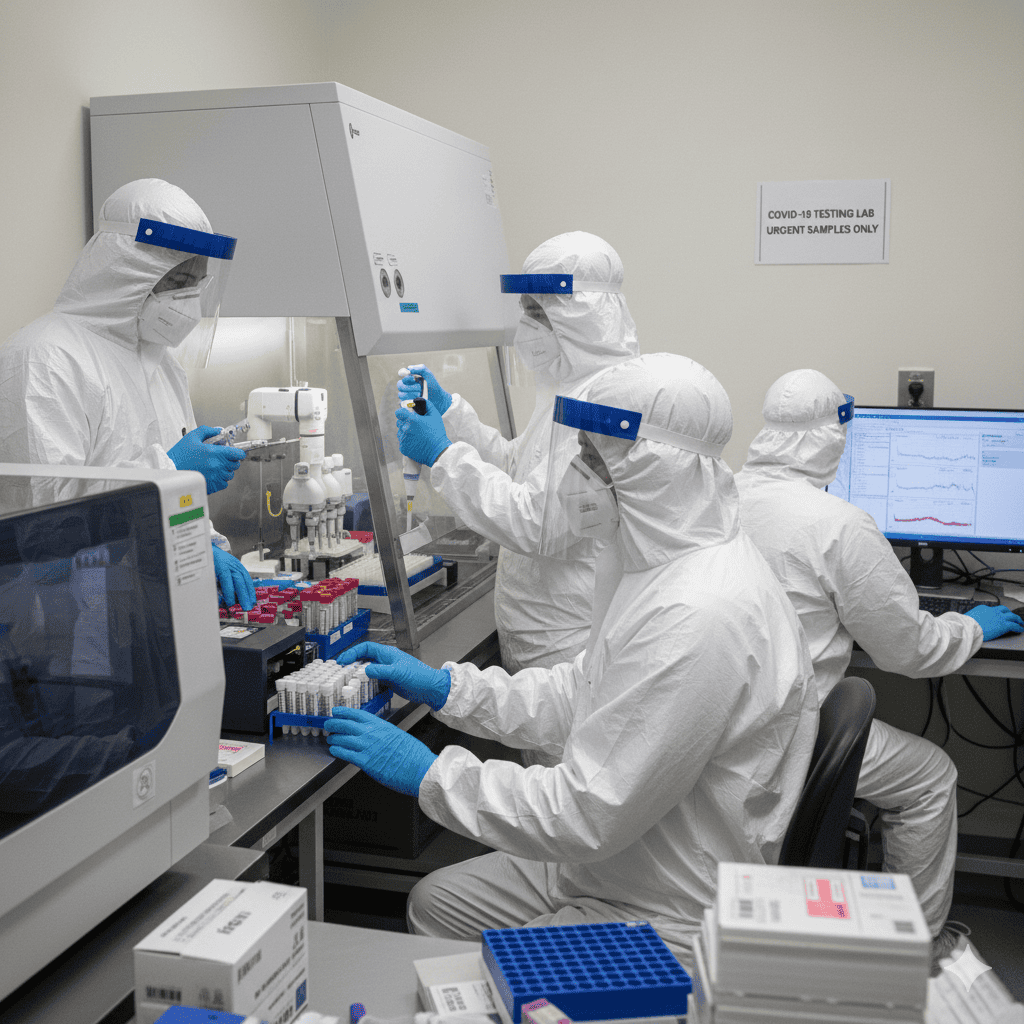
The COVID-19 pandemic thrust medical laboratory professionals into the forefront, revealing their critical contributions in crisis response. From the outset, they scaled up testing capacities exponentially; in the U.S., labs performed over 1 million COVID-19 tests daily at peak, on top of the routine 13 billion annual tests. This involved validating new assays, managing supply chains for reagents, and ensuring biosafety amid infectious samples.
Professionals advised on government policies, providing data for containment strategies and monitoring variants through genomic sequencing. In hospitals like Mayo Clinic, lab teams worked extended shifts to deliver results in hours, enabling rapid isolation and treatment, which improved survival rates in severe cases. They also supported sterilization protocols and employee screening, with alternative strategies diverting volume from overwhelmed facilities.
Beyond COVID, their role in past pandemics like H1N1 and Ebola involved similar heroics: developing rapid diagnostics and tracking spread. A 2023 review noted that lab medicine’s adaptability during COVID underscored its public health importance, despite challenges like protocol overloads. In educational settings, programs like Michigan Tech’s MLS contributed to diagnostic labs, processing thousands of samples, and building community resilience. These efforts highlight how lab professionals not only diagnose but also prevent escalation, saving countless lives through data-driven insights.
Challenges Faced by Medical Laboratory Professionals

Despite their vital roles, medical laboratory professionals grapple with multifaceted challenges that threaten the profession’s sustainability. Staffing shortages top the list, with vacancy rates as high as 25% in some regions, leading to delayed results and compromised care quality. This crisis stems from retirements, increased demand for services, and a 15% drop in training programs over the decade, creating educational bottlenecks.
Burnout is rampant; a 2024 Harris Poll survey revealed high levels among lab staff, exacerbated by workload pressures and inadequate recognition. Professionals face bullying, stress, and heavy workloads, with some reporting 12-hour shifts during peaks. Budget constraints stretch resources thin, while regulatory vigilance demands constant compliance, adding administrative burdens.
Internal issues like poor management training and conflicts hinder efficiency, as do tensions around direct patient access for results interpretation. In 2025, bipartisan legislation aimed to address shortages through training incentives, but implementation lags. Emerging trends like automation offer relief, potentially alleviating 20-30% of routine tasks, but require upskilling. These challenges, if unaddressed, risk broader healthcare disruptions, emphasizing the need for policy support during MLPW.
Celebrating the Week: Ideas and Activities
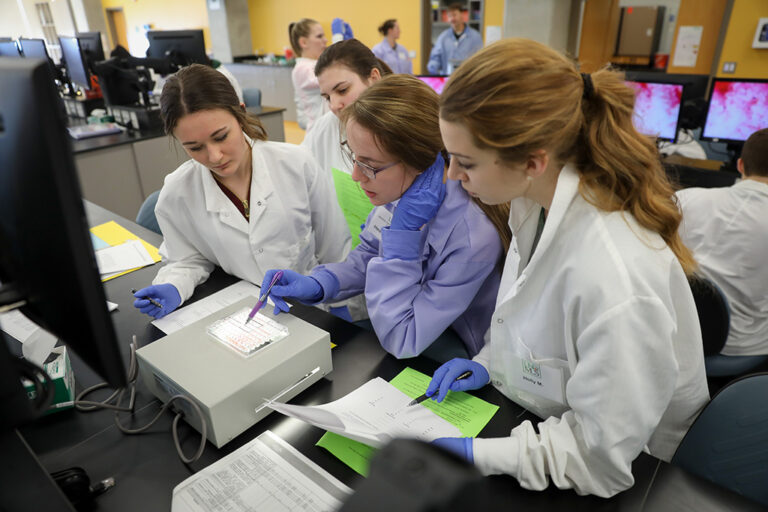
MLPW provides myriad opportunities to honor lab professionals through engaging, meaningful activities. Hospitals often host open houses or lab tours, allowing staff and the public to witness operations firsthand, demystifying processes like PCR testing. Social media campaigns amplify visibility; in 2025, hashtags like #AMTLabWeek2025 encouraged sharing photos and stories, reaching thousands.
Educational displays in lobbies highlight lab impacts, while engagements with schools inspire future professionals through demos. Fun activities include door-decorating contests, baby photo matching games, and photo booths with lab-themed props. Food-centric events like bake sales or chili cook-offs raise funds for team perks, while raffles and guessing games foster camaraderie.
Workshops and webinars educate on lab importance, with CDC resources aiding public outreach. Gifts like themed apparel or lunches from admin show appreciation. These activities not only boost morale but also promote teamwork, as seen in facilities reporting higher satisfaction post-events.
Future Outlook for the Profession
Looking ahead, 2026’s MLPW (April 19-25) will likely emphasize digital integration, with trends like AI and data analytics transforming labs. Workforce initiatives, including expanded visas and training, aim to fill 24,000 annual gaps. Cybersecurity will rise in priority, protecting sensitive data. By addressing burnout through automation, potentially reducing manual tasks by 40% the profession can thrive, ensuring robust diagnostics for future crises.
Conclusion
Medical Laboratory Professionals Week stands as a beacon of gratitude for those who safeguard health through science. In 2025, celebrations reinforced their heroism amid shortages and innovations. By tackling challenges with policy and appreciation, we honor these unsung heroes, ensuring a resilient healthcare future where their expertise continues to save lives.