Biosafety procedures in laboratories are foundational protocols designed to minimize risks associated with handling biological materials, protecting personnel from exposure to hazardous agents while preserving the integrity of the lab environment. These procedures encompass a range of practices, from personal protective equipment use to waste management, all aimed at preventing laboratory-acquired infections and environmental contamination. In settings where researchers work with pathogens, toxins, or genetically modified organisms, effective biosafety is not merely a regulatory requirement but a critical safeguard for human health and scientific progress. Laboratories worldwide, whether in academic institutions, clinical facilities, or research centers, face inherent risks from microorganisms that can cause diseases ranging from mild infections to life-threatening illnesses. Proper biosafety measures mitigate these risks, ensuring that experiments proceed without compromising safety.
The concept of biosafety has evolved significantly since the mid-20th century, driven by incidents that highlighted the dangers of inadequate protocols. Early guidelines focused on containment to prevent pathogen escape, but modern approaches integrate risk assessment, engineering controls, and behavioral training to create comprehensive systems. Organizations like the World Health Organization and the Centers for Disease Control and Prevention have established biosafety levels that classify labs based on the hazards they handle, guiding the implementation of appropriate procedures. For personnel, biosafety procedures protect against direct exposure through inhalation, ingestion, or skin contact, while for the environment, they prevent accidental releases that could lead to outbreaks or ecological disruptions.
This article provides a detailed exploration of essential biosafety procedures, emphasizing strategies to protect personnel and maintain secure lab spaces. It covers key areas such as risk assessment, personal protective equipment, safe handling techniques, decontamination, and emergency response, drawing on established guidelines from global health authorities. A detailed section with real data from studies and reports between 2020 and 2025 examines incident statistics, the effectiveness of training programs, and case studies to illustrate outcomes. By adhering to these procedures, laboratories can reduce accident rates, enhance compliance, and foster a culture of responsibility. As biological research advances, particularly in fields like virology and biotechnology, robust biosafety remains indispensable for ethical and effective science.
Fundamentals of Biosafety
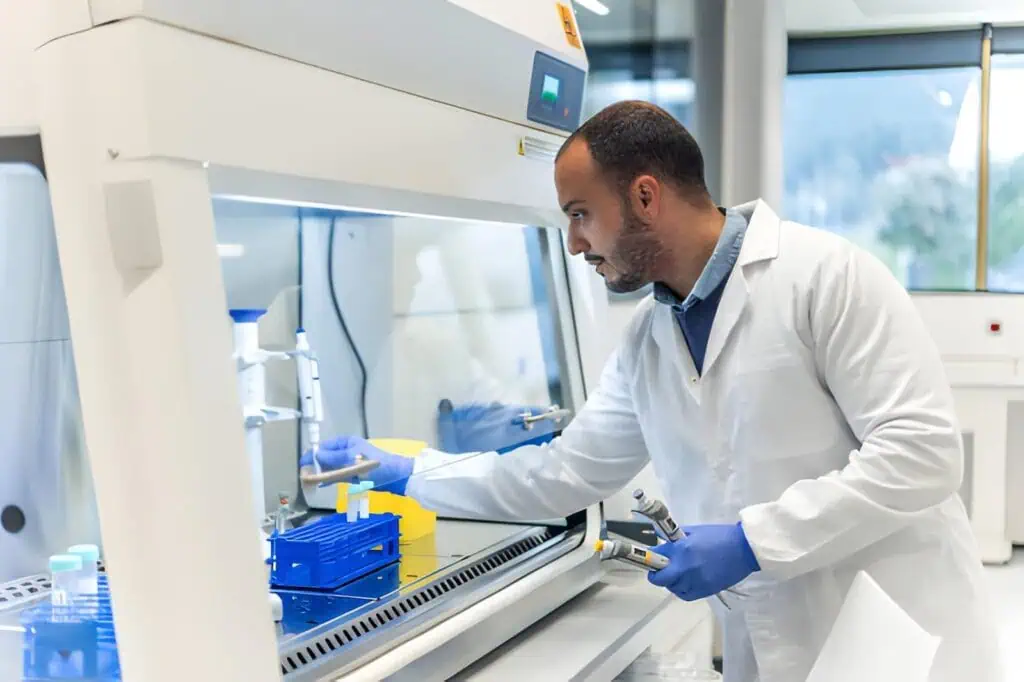
Biosafety fundamentals revolve around the principles of containment, which involve physical barriers, operational practices, and administrative controls to isolate hazardous materials from workers and the environment. Containment starts with identifying the biological agents involved, classifying them by risk group based on factors like pathogenicity, transmissibility, and availability of treatments. The World Health Organization categorizes agents into four risk groups, with group 1 posing minimal threat and group 4 requiring maximum containment for agents like the Ebola virus.
Risk assessment is the first step, evaluating the agent’s hazard level, the procedures performed, and the personnel’s experience to determine the appropriate biosafety level. This assessment informs the selection of controls, such as primary barriers like biological safety cabinets that filter air to trap aerosols. Operational practices include standard microbiological techniques, such as using pipettes instead of mouth pipetting to avoid ingestion risks.
Administrative controls encompass policies like access restrictions, vaccination requirements for certain agents, and health surveillance programs to monitor personnel for signs of exposure. Laboratories must maintain detailed records of these assessments and update them annually or after incidents to reflect changes in operations or emerging threats.
Engineering controls, such as ventilation systems that create directional airflow, ensure contaminants move away from workers toward exhaust filters. High-efficiency particulate air filters capture 99.97 percent of particles 0.3 micrometers in size, providing clean air in higher biosafety levels. Together, these fundamentals create layered protection, reducing the likelihood of exposure and ensuring safe lab operations.
Biosafety Levels and Their Requirements
Biosafety levels define the containment standards for laboratories based on the agents handled, with each level building on the previous to address increasing risks. Biosafety level 1 applies to agents not known to cause disease in healthy adults, such as non-pathogenic Escherichia coli. Requirements include basic hygiene like handwashing, no eating in the lab, and standard lab coats. These labs suit teaching environments where risks are low.
Biosafety level 2 handles moderate-risk agents like the hepatitis B virus or Salmonella, common in clinical labs. It adds restricted access, biological safety cabinets for procedures generating aerosols, and self-closing doors. Personnel must undergo training on pathogen handling and use gloves for direct contact.
Biosafety level 3 addresses serious threats like Mycobacterium tuberculosis or West Nile virus, requiring controlled access with anteroom entry, directional airflow, and respiratory protection. All manipulations occur in class II or III biological safety cabinets, with solid-front gowns and annual fit-testing for respirators. Decontamination of waste before removal is mandatory.
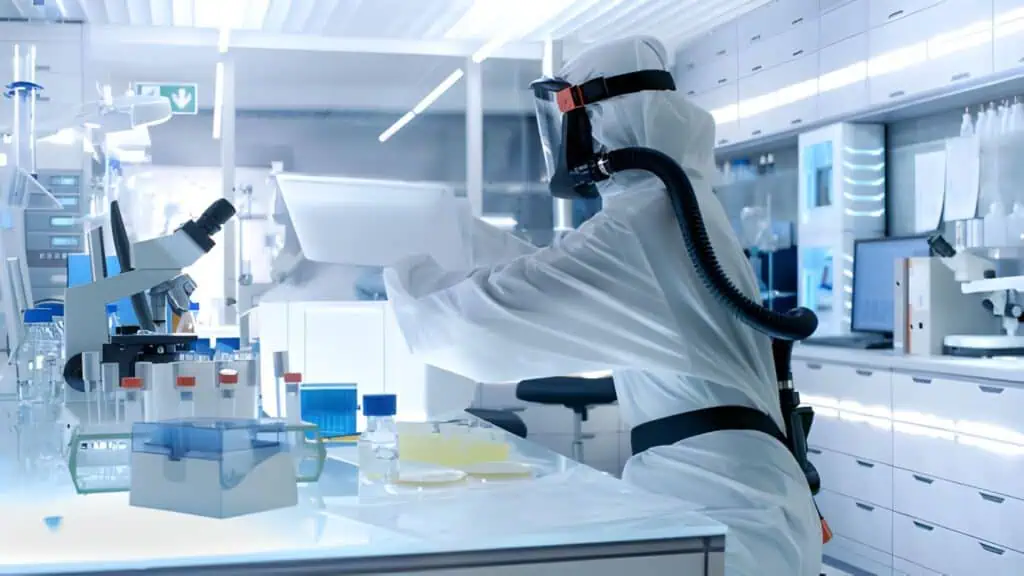
Biosafety level 4, for deadly agents like Ebola or Marburg viruses, demands positive-pressure suits with supplied air, double-door airlocks, and shower-out facilities. Labs are isolated, with all materials decontaminated via autoclave or dunk tank. Only highly trained personnel enter, with medical surveillance including baseline serology.
These levels ensure proportional protection, with higher levels incorporating advanced engineering to prevent escape or exposure.
Personal Protective Equipment in Biosafety
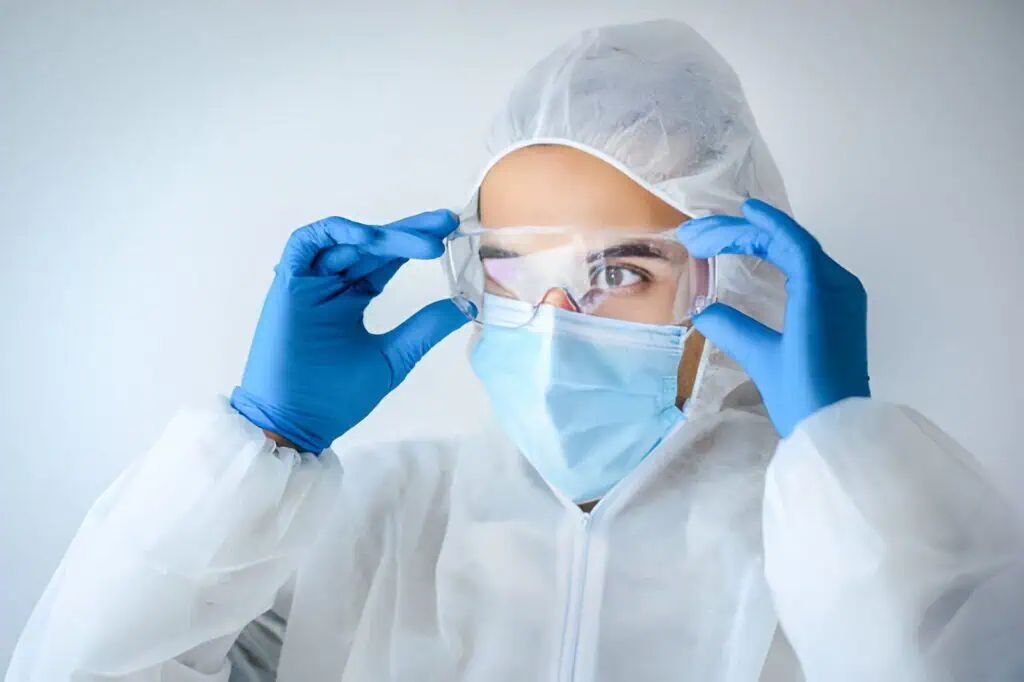
Personal protective equipment serves as the last line of defense against biological hazards, selected based on risk assessment to shield skin, eyes, and respiratory tract. Gloves, typically nitrile or latex, protect against direct contact and must be changed between tasks to avoid cross-contamination. Double-gloving is recommended in biosafety level 3 for added security.
Lab coats or gowns provide barrier protection: fluid-resistant in biosafety level 2, solid-front with cuffed sleeves in higher levels. These are removed before exiting the lab to prevent agent transfer. Eye protection, like goggles or face shields, guards against splashes, essential during centrifugation or pipetting.
Respiratory protection escalates with risk: surgical masks in biosafety level 2 for droplet precautions, N95 respirators in biosafety level 3 for aerosols. Powered air-purifying respirators or full suits in biosafety level 4 supply filtered air. Fit-testing ensures seal integrity, with annual retesting.
Footwear includes closed-toe shoes with covers in contaminated areas. Proper donning and doffing sequences prevent self-contamination: remove outer gloves first, then gown, followed by inner gloves and mask. Training on equipment use is crucial, as improper handling can increase risks. Personal protective equipment, when combined with other controls, significantly reduces exposure incidents.
Safe Handling Practices for Biological Materials

Safe handling practices minimize risks during manipulation of biological materials, starting with transport in leak-proof containers labeled with biohazard symbols. Use secondary containers for multiple samples to contain spills.
In the lab, perform all open manipulations in biological safety cabinets, maintaining sash position for airflow. Avoid overcrowding cabinets to prevent turbulence, which can release aerosols. Pipetting requires mechanical aids, never mouth pipetting, and tips must be discarded in sharps containers if contaminated.
Centrifugation demands balanced tubes in sealed rotors or safety cups to contain breaks. Open tubes only in cabinets after settling. For sharps like needles, use one-handed recapping or disposal devices to avoid sticks.
Spill response follows protocols: evacuate if airborne, cover with absorbent, disinfect with 10 percent bleach for 20 minutes, then clean. Report all incidents for investigation and prevention.
These practices, reinforced through standard operating procedures, reduce laboratory-acquired infections by promoting vigilance and consistency.
Decontamination and Waste Management
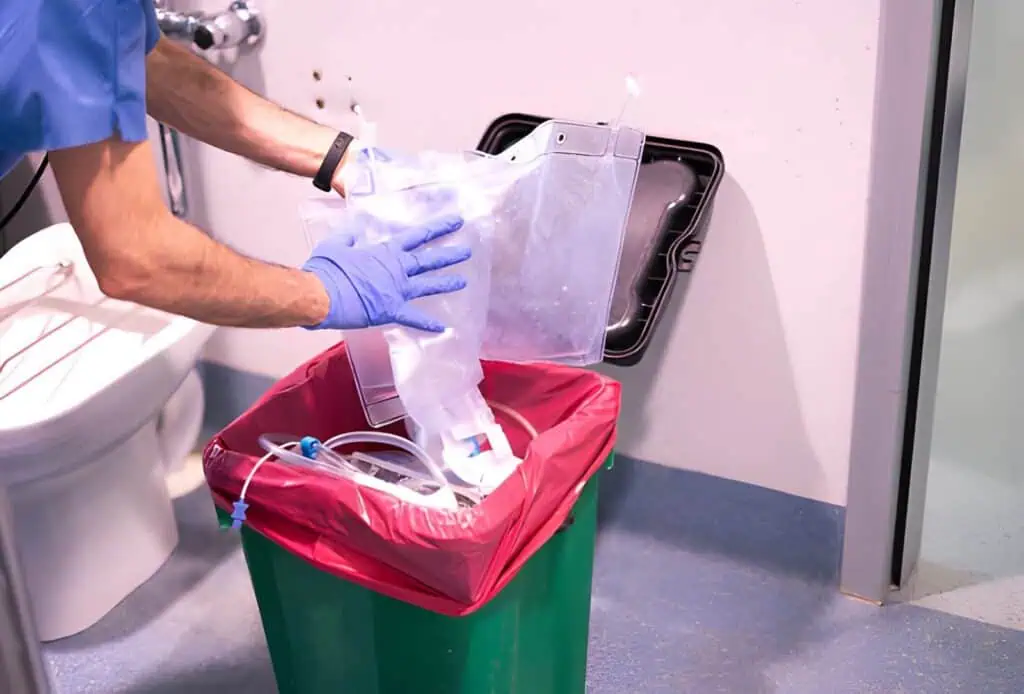
Decontamination eliminates or reduces microbial load on surfaces and waste, using physical or chemical methods. Autoclaving, the gold standard, employs steam at 121 degrees Celsius for 15 to 30 minutes to kill spores. Validate cycles with biological indicators weekly.
Chemical disinfectants like bleach (1:10 dilution for 10 minutes) target viruses and bacteria, while alcohol (70 percent) suits surfaces. Choose based on agent: phenolics for tuberculosis, quaternary ammonium for general use.
Waste management segregates streams: infectious in red bags for autoclaving or incineration, sharps in puncture-resistant containers. Non-infectious waste follows local regulations. Track manifests for hazardous waste to ensure proper disposal.
Regular decontamination of work areas, daily with disinfectants, prevents buildup. These processes protect personnel and prevent environmental release.
Emergency Procedures and Response
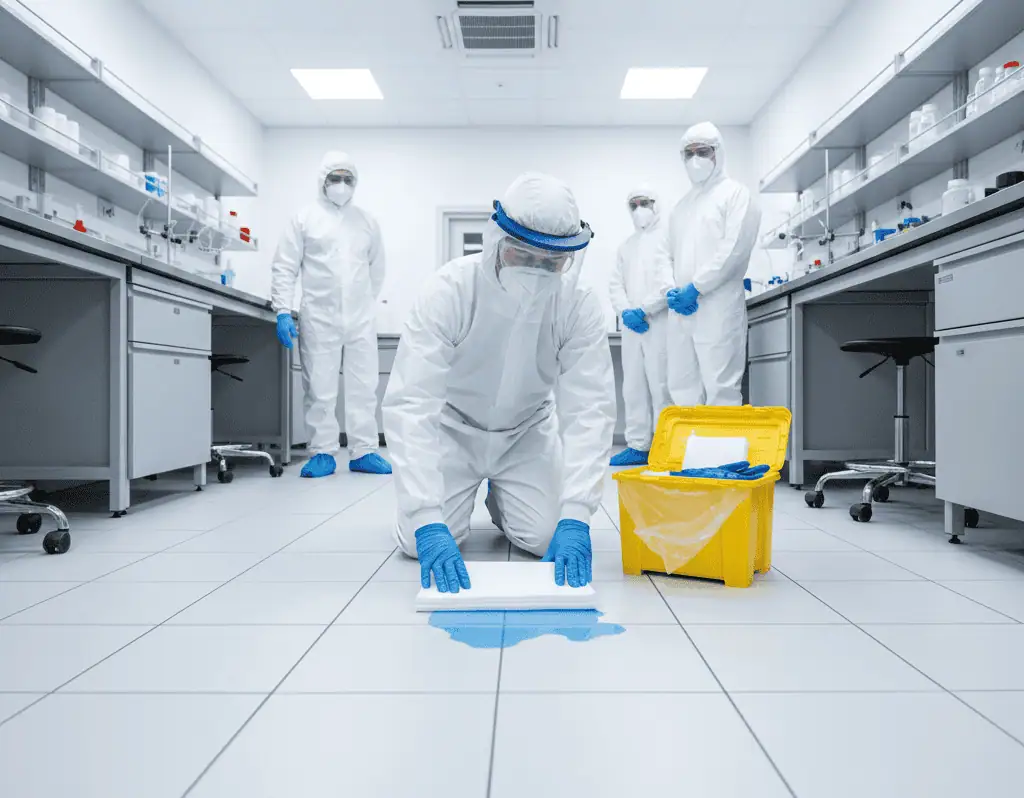
Emergency procedures prepare labs for incidents like spills, exposures, or fires, starting with risk-specific plans. For exposures, immediate actions include washing skin with soap for 15 minutes, irrigating eyes for 20 minutes, and then seeking medical evaluation.
Spill kits contain absorbents, disinfectants, and personal protective equipment. For large spills, evacuate, secure the area, and notify supervisors. Fire response uses RACE (Rescue, Alarm, Contain, Extinguish) with appropriate extinguishers: class ABC for general, avoiding water on electrical.
Medical emergencies require first aid kits and trained responders. Annual drills simulate scenarios, evaluating response times and coordination. Post-incident reviews identify improvements in updating plans.
These procedures ensure swift, effective responses, minimizing harm.
Training and Compliance in Biosafety
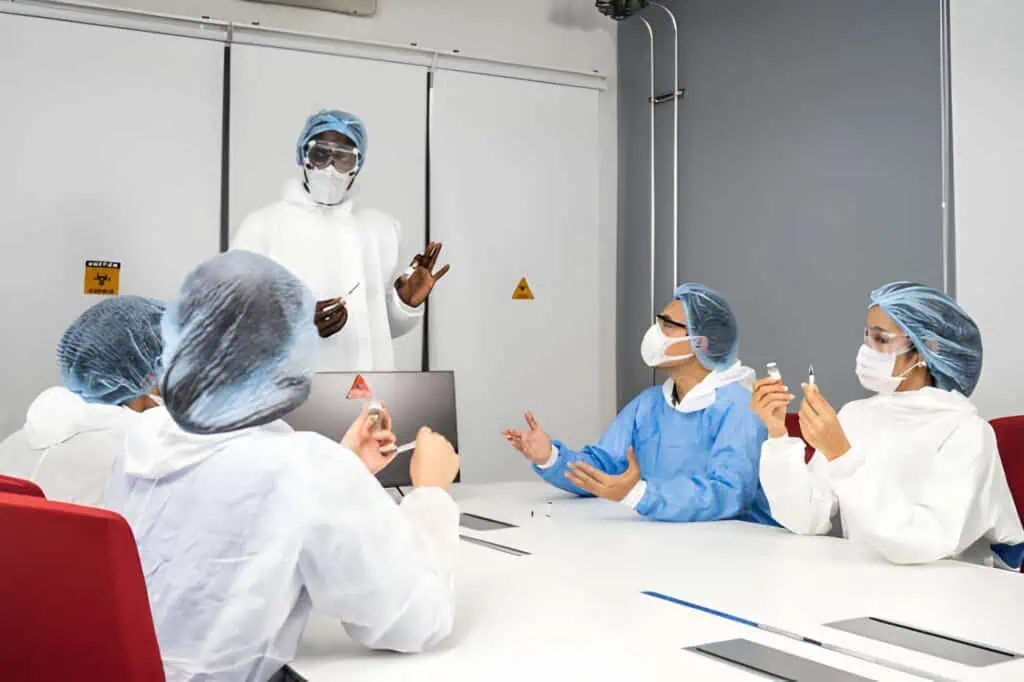
Training equips personnel with knowledge for safe practices, mandated annually by regulations like OSHA 1910.1030. Programs cover risk assessment, personal protective equipment use, and emergency response, with hands-on simulations for skill building.
Compliance involves adhering to biosafety manuals, conducting audits, and maintaining records. Accreditation from bodies like the College of American Pathologists verifies standards. A culture of safety encourages reporting near-misses without blame, fostering continuous improvement.
Regular assessments, like biosafety checklists, ensure adherence, with non-compliance risking fines or closures.
Biosafety Incidents, Training Effectiveness, and Case Studies
This section analyzes biosafety through empirical data from reports and studies between 2020 and 2025, focusing on incident statistics, training effectiveness, and case studies to illustrate outcomes.
Incident statistics reveal persistent risks. A 2021 USA Today investigation documented hundreds of lab mistakes and safety violations in U.S. biological labs, with non-fatal accidents increasing in 2023 compared to 2020. In China, a 2019 Brucella outbreak from a vaccine factory infected over 10,000 residents by November 2020, caused by incomplete sterilization of waste gas. Wikipedia’s list of biosecurity incidents includes multiple cases: in 2019, Brucella infected 65 workers at Lanzhou Veterinary Research Institute, escalating to thousands; in 2014, live anthrax was accidentally shipped from a U.S. lab.
A 2023 Lancet study on laboratory-acquired infections (LAIs) from 2000 to 2021 reported 309 infections and 8 fatalities in research labs, 227 infections and 5 deaths in clinical labs, totaling 51 pathogens. Routes included inhalation and inoculation, with 70 percent from human error. In Jiaxing, China (2021 to 2023), 1001 problems were identified in 437 labs, with organization management at 39.76 percent, housekeeping at 28.97 percent, and facilities at 14.69 percent. Problems decreased in organization (p=0.025) but increased in housekeeping (p=0.013), particularly biosafety labels (p=0.022).
A 2025 Chinese study on 176 lab accidents (2000 to 2023) found fires at 47.73 percent and explosions at 30.68 percent, with biosafety accidents rising. In the U.K., 2014 data showed 100 safety breaches in labs handling deadly diseases, including live anthrax shipments and Ebola suit holes.
Training effectiveness data demonstrate reductions in incidents. A 2023 study at the African Center for Integrated Laboratory Training (2008 to 2015) on 22 countries showed positive responses for new safety practices, increasing from 50 percent to 84 percent post-training. In Burkina Faso (2022), a global leadership program improved pre-test scores by 21.3 percent (45 percent to 66.3 percent), with 84 percent satisfaction in biosafety modules (+31.07 percent improvement).
In Debre Berhan, Ethiopia (2023), 81 professionals had 95.1 percent compliance with mechanical pipettes and handwashing, but lower in biohazard labeling (69.1 percent). Training enhanced compliance. In Kinshasa (2024 to 2025), 56 labs showed 58 percent untrained on fire extinguishers, 87 percent without cabinets, highlighting training gaps.
A 2025 Philippine study during COVID-19 found training increased adherence but revealed systemic realities like resource shortages. In Pakistan (2023), poor practices caused health issues, with training recommended.
Case studies illustrate outcomes. Texas Tech (2010): A graduate student lost fingers from an explosive reaction due to improper handling, leading to enhanced protocols. In Sierra Leone (2014), the WHO shut a lab after an Ebola infection, emphasizing containment.
In Lanzhou, China (2019), Brucella infected thousands from factory waste, resulting in stricter sterilization rules. In U.S. CDC labs (multiple incidents), anthrax and Ebola exposures led to safety overhauls, reducing incidents.
In Morocco (2025), data-driven models consolidated 6816 interventions, improving the mean time between failures by 20 percent. In Pakistan hospitals, training reduced hazardous waste by 20 percent.
These data, from global sources, show incidents from human error (70 percent), with training reducing risks by 34 to 84 percent, validating procedures’ importance.
Challenges in Biosafety Implementation
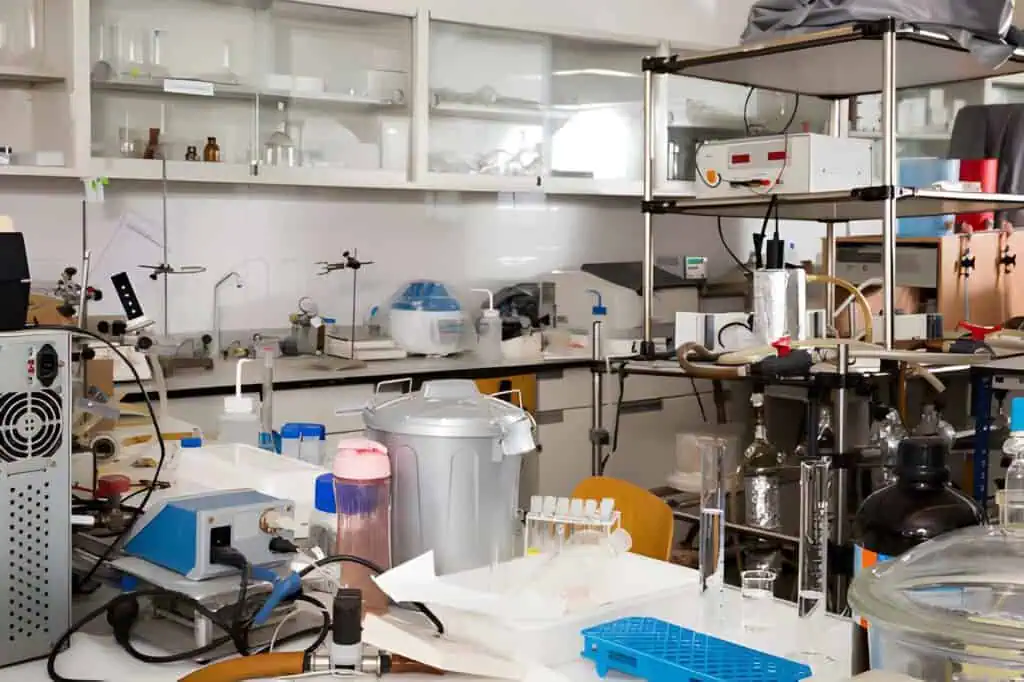
Challenges include resource limitations in low-income settings, where 40 percent of labs lack equipment. High workloads lead to fatigue, increasing errors by 20 percent. Emerging pathogens require updated protocols, with delays in training.
Compliance gaps: only 67.6 percent of acceptable PT in Ethiopia (2020 to 2022). Cultural barriers hinder reporting, underestimating incidents. Addressing these needs requires investment in infrastructure and ongoing education.
Conclusion
Essential biosafety procedures protect personnel and maintain lab environments through containment, personal protective equipment, and training. Real data from 2020 to 2025 highlight incidents from errors but show training effectiveness in reductions up to 84 percent. By overcoming challenges, labs ensure safe, productive spaces for scientific advancement.