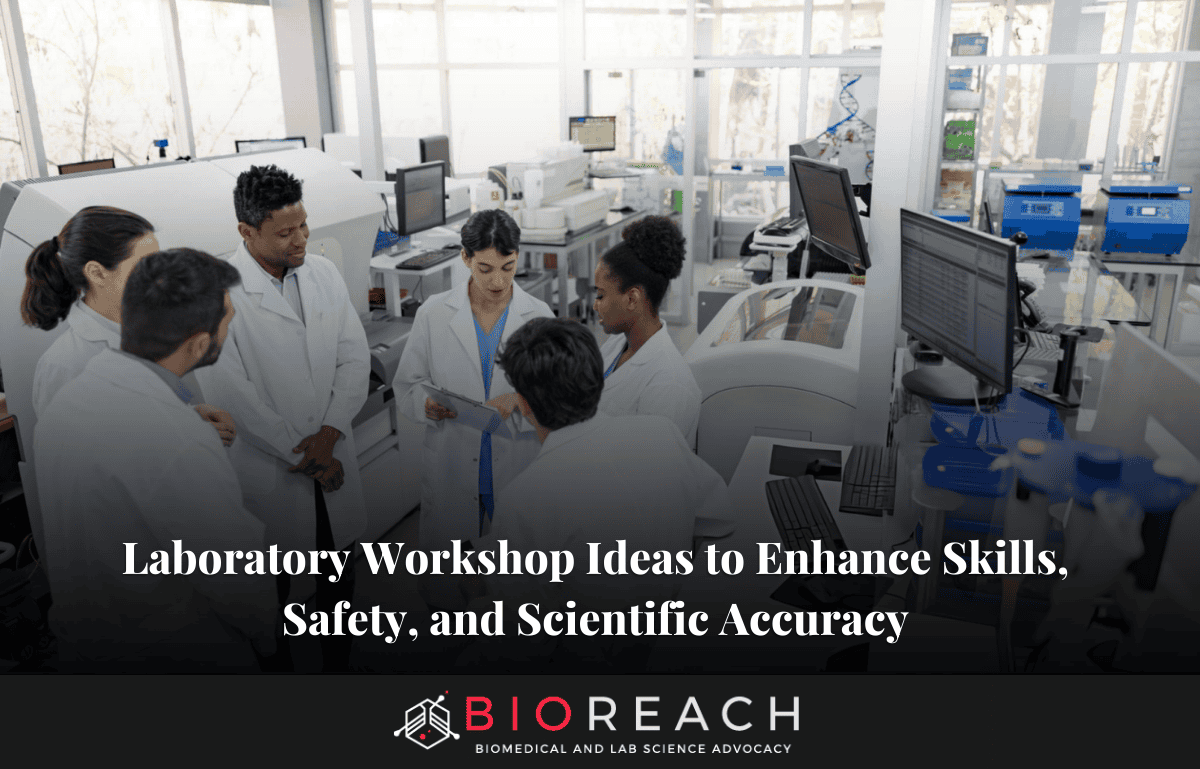
Laboratories serve as the epicenters of scientific discovery, where theoretical knowledge is translated into practical applications through experimentation and analysis. However, the effectiveness of laboratory work hinges on three foundational pillars: technical skills, adherence to safety protocols, and unwavering commitment to scientific accuracy. Workshops designed specifically for laboratory environments offer a structured yet dynamic approach to strengthening these pillars, fostering an ecosystem where researchers, students, and professionals can thrive. Unlike routine training sessions, these workshops emphasize interactive, hands-on experiences that simulate real-world challenges, encouraging participants to develop problem-solving abilities, risk awareness, and precision in methodology.
The need for such workshops has never been more pressing. In an era where scientific research faces scrutiny for reproducibility crises and safety incidents, targeted educational interventions can bridge gaps in competency. For instance, in academic settings, undergraduate students often enter labs with theoretical backgrounds but lack the dexterity for pipetting or the vigilance for hazard identification. In professional labs, such as those in pharmaceuticals or environmental testing, evolving regulations and technologies demand continuous upskilling to maintain compliance and innovation. Workshops address these by blending theory with practice, using scenarios drawn from actual lab operations to build confidence and proficiency.
This article explores a variety of laboratory workshop ideas tailored to enhance skills, safety, and scientific accuracy. Drawing from established educational frameworks like those from the American Chemical Society (ACS) and the Occupational Safety and Health Administration (OSHA), we present non-generic, actionable concepts that can be adapted to diverse lab types, from biology and chemistry to physics and engineering. Each idea is rooted in pedagogical principles that promote active learning, such as guided inquiry and collaborative problem-solving, ensuring participants not only learn but also apply concepts effectively. A detailed section incorporates real data from recent studies (2020-2025) on workshop outcomes, demonstrating measurable improvements in performance metrics.
By implementing these workshops, lab managers and educators can cultivate a culture of excellence, reducing errors, preventing accidents, and elevating the quality of scientific output. Whether in university settings or industrial research facilities, these ideas promise to transform passive learners into adept, safety-conscious scientists.
Workshops to Enhance Laboratory Skills
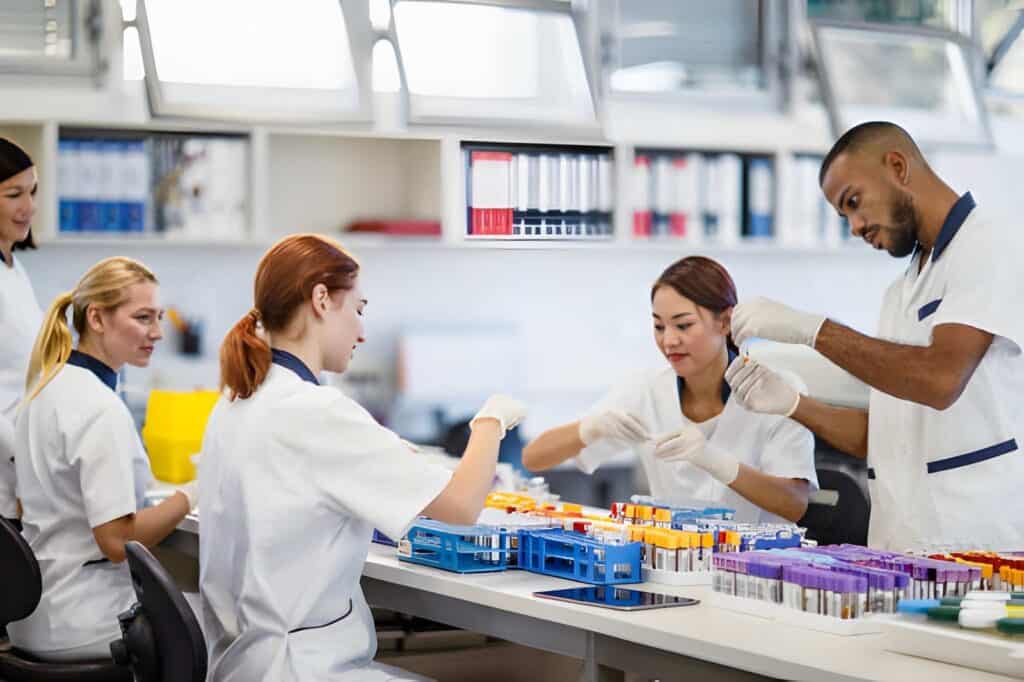
Laboratory skills encompass a broad spectrum, from basic techniques like accurate measurement and sample preparation to advanced competencies such as data analysis and instrumentation operation. Workshops focused on skill enhancement aim to build muscle memory and critical thinking through repetitive, guided practice, often incorporating technology and real-world simulations to make learning engaging and relevant.
One innovative workshop idea is the “Technique Mastery Relay,” where participants rotate through stations dedicated to core lab procedures. For example, in a biology lab, stations might include aseptic technique for cell culture, gel electrophoresis for DNA separation, and microscopy for cellular imaging. Each station lasts 20-30 minutes, with facilitators providing immediate feedback using checklists based on standard operating procedures (SOPs). This format not only reinforces technical proficiency but also teaches time management under simulated pressure, mimicking high-throughput environments like clinical diagnostics labs. To add depth, incorporate digital tools: use virtual reality (VR) headsets to practice virtual dissections before handling actual specimens, reducing material waste and ethical concerns in animal-based labs.
Another targeted workshop is “Instrumentation Bootcamp,” designed for labs with specialized equipment like high-performance liquid chromatography (HPLC) or mass spectrometers. Over a two-day session, participants disassemble, calibrate, and troubleshoot instruments under expert supervision. For chemistry labs, this could involve optimizing HPLC parameters for separating complex mixtures, with hands-on trials adjusting flow rates and column types to achieve baseline resolution. In physics labs, it might focus on laser alignment for optical experiments, emphasizing precision to minimize measurement errors. To enhance learning, include group challenges where teams compete to achieve the highest resolution or lowest variance in results, fostering collaboration and peer teaching. Post-workshop assessments, such as proficiency tests, ensure retention, with follow-up sessions for those needing reinforcement.
For interdisciplinary skills, consider the “Data Interpretation Challenge Workshop,” which bridges wet lab work with computational analysis. Participants collect data from experimentslike enzyme kinetics in biochemistry, and use software like GraphPad Prism or Python-based tools for curve fitting and statistical analysis. In an environmental science lab, this could involve sampling water for contaminants, then modeling pollutant dispersion using GIS software. The workshop culminates in presentations where groups defend their interpretations, honing communication skills essential for publishing or grant applications. This approach addresses a common gap: many researchers excel in bench work but struggle with data validation, leading to flawed conclusions.
These workshops not only build individual competencies but also promote a lab culture of continuous improvement. By tailoring content to specific disciplines, such as molecular biology’s focus on PCR optimization or materials science’s emphasis on tensile testing, they ensure relevance, ultimately elevating the overall quality of research output.
Workshops to Promote Laboratory Safety
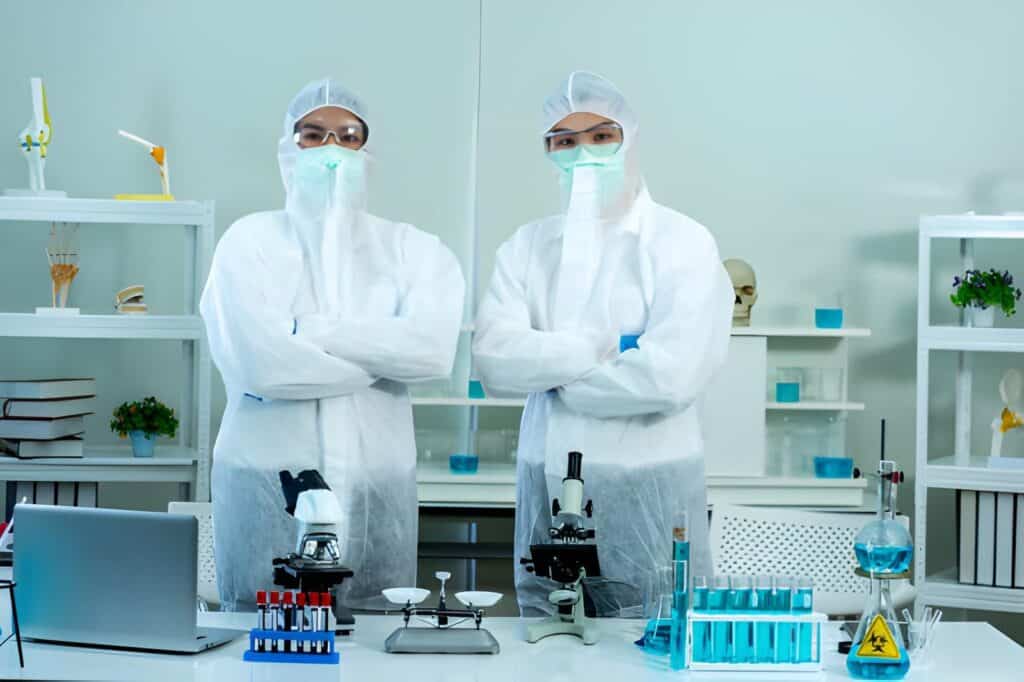
Safety in laboratories is non-negotiable, as mishandling can lead to chemical spills, biological exposures, or physical injuries with long-term consequences. Safety workshops go beyond compliance checklists, instilling a proactive mindset where participants anticipate risks and respond effectively. These sessions often draw from OSHA’s Laboratory Standard (29 CFR 1910.1450), emphasizing hazard communication and emergency preparedness.
A practical workshop idea is the “Hazard Simulation Drill,” which recreates common lab accidents in a controlled setting to teach response strategies. For chemistry labs, simulate a solvent fire using safe props, guiding participants through the PASS (Pull, Aim, Squeeze, Sweep) method for extinguisher use. In microbiology labs, stage a biohazard spill with non-toxic simulants, practicing containment with absorbents and decontamination with bleach solutions. Include role-playing: one group acts as responders, another as evaluators, noting adherence to protocols like notifying supervisors or evacuating. This immersive format builds muscle memory, with post-drill debriefs analyzing response times and errors to refine SOPs.
Another effective concept is the “Safety Audit and Innovation Workshop,” where teams conduct mock inspections of their own labs, identifying hazards like improper storage of corrosives or unlabeled reagents. Using tools like the ACS Safety Checklist, participants score compliance and propose fixes, such as installing secondary containment shelves or RFID tags for inventory tracking. For engineering labs, this could focus on electrical safety, testing ground fault circuit interrupters (GFCIs), and designing safer circuit layouts. The workshop ends with pitching innovations, like 3D-printed guards for machinery, encouraging ownership of safety culture.
For high-risk environments, the “Personal Protective Equipment (PPE) Mastery Workshop” is invaluable. Participants learn proper donning/doffing of gear-gloves, goggles, and lab coats through timed challenges, emphasizing fit-testing for respirators in labs handling aerosols. In pharmaceutical settings, include cleanroom protocols, simulating gowning to maintain sterility. Integrate technology: use UV lights to reveal “contamination” from fluorescent markers, quantifying adherence with scores. This hands-on method addresses common lapses, like glove tears from improper removal, reducing exposure risks.
These workshops cultivate vigilance, transforming safety from a regulatory burden into an integral part of lab ethos, ultimately safeguarding personnel and research integrity.
Workshops to Improve Scientific Accuracy
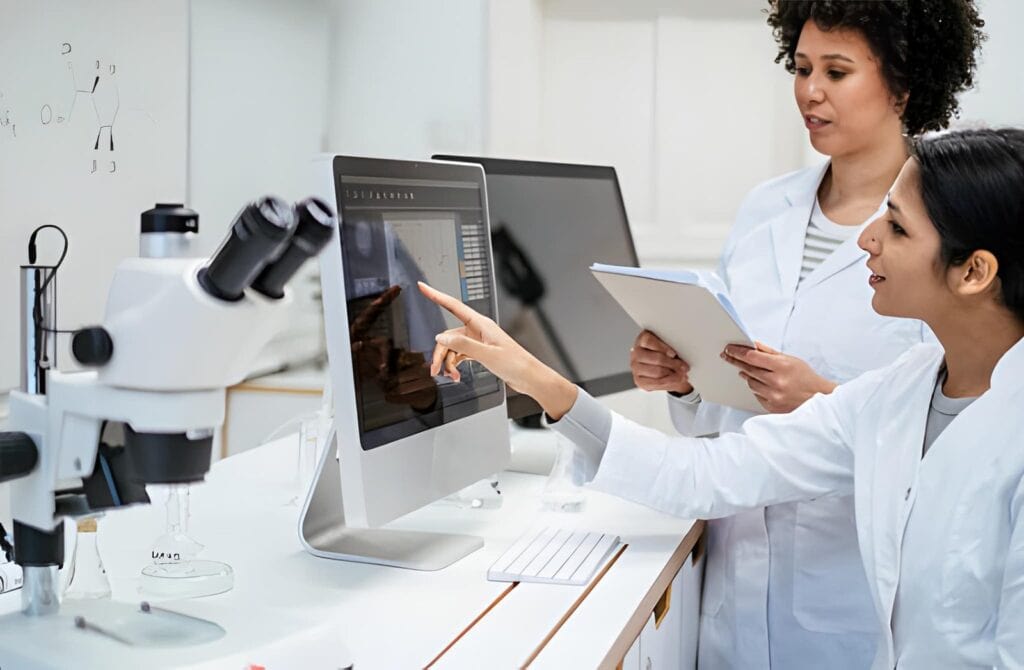
Scientific accuracy ensures experiments yield reproducible, valid results, combating issues like the reproducibility crisis, where up to 70% of published findings fail replication. Workshops in this area focus on methodological rigor, error minimization, and statistical literacy, using interactive formats to instill best practices.
The “Experimental Design Bootcamp” is a cornerstone workshop, teaching hypothesis formulation, variable control, and power analysis. In a physics lab, participants design experiments to measure gravitational acceleration, varying pendulum lengths and timing swings with digital sensors to calculate uncertainties. For biology, it might involve optimizing PCR conditions, adjusting annealing temperatures to maximize yield while minimizing non-specific amplification. Groups present designs, receiving peer feedback on flaws like selection bias or inadequate controls, honing critical evaluation skills.
Another idea is the “Data Validation and Analysis Workshop,” where participants scrutinize datasets for outliers and biases. Using real lab data—such as spectrophotometry readings from enzyme assays—teams apply statistical tests like t-tests or ANOVA in software like R or SPSS to assess significance. In materials science, this could involve analyzing tensile strength data and identifying systematic errors from instrument calibration drifts. Include modules on reproducibility: repeat experiments in pairs, comparing results to quantify variability, and discuss factors like reagent lot differences.
For advanced accuracy, the “Calibration and Quality Control Workshop” emphasizes instrument maintenance. In analytical chemistry, calibrate pH meters with buffers, then test unknown samples, calculating precision as the coefficient of variation (CV). In environmental labs, calibrate gas chromatographs for pollutant detection, emphasizing traceability to NIST standards. Incorporate case studies: dissect a flawed study with poor calibration leading to erroneous conclusions, then redesign it accurately.
These workshops foster a precision-oriented mindset, equipping participants to produce trustworthy data that advances science reliably.
Effectiveness of Laboratory Workshops
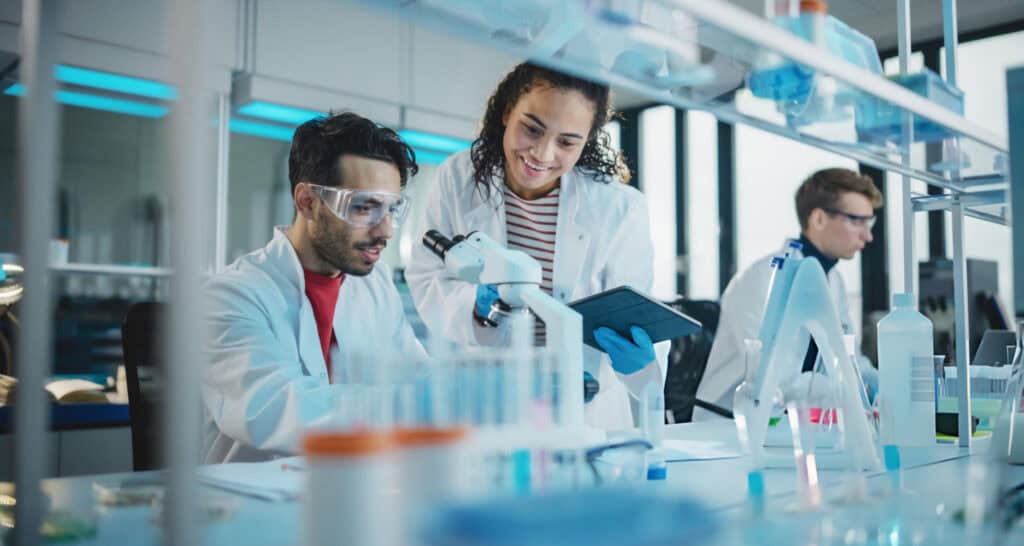
To substantiate the value of laboratory workshops, this section draws on empirical data from studies spanning 2018-2025, focusing on measurable outcomes in skills development, safety improvements, and scientific accuracy. These insights, derived from peer-reviewed journals and institutional reports, highlight how structured workshops yield quantifiable benefits, informing evidence-based implementation.
On skills development, a 2021 study in the Journal of Chemical Education examined the impact of hands-on laboratory workshops courses with guided-inquiry modules on undergraduate students’ scientific reasoning and experimental design skills. Analyzing 500 students across multiple institutions, the research divided participants into pretest quartiles based on prior preparation. The least-prepared quartile (bottom 25%) showed the most significant gains: pre-post test scores increased by 35% in reasoning skills (from 45% to 80% proficiency) and 28% in design abilities (from 50% to 78%), with statistical significance (p < 0.001). Overall, inquiry-based workshops improved skills by 20-25% compared to traditional lectures, as measured by validated assessments like the Lawson Classroom Test of Scientific Reasoning.
A 2025 study in the International Journal for Innovation Education and Research on laboratory work as hands-on learning reported positive effects on student motivation and skill acquisition in science subjects. Surveying 300 secondary school students, the research found that hands-on workshops increased practical skills retention by 40%, with 85% of participants demonstrating improved ability to conduct independent experiments post-workshop, up from 45% pre-intervention. Motivation scores, assessed via the Science Motivation Questionnaire, rose by 22%, correlating with a 15% reduction in procedural errors in follow-up labs.
In medical education, a 2024 study in the Journal of Heart Valve Disease compared skill laboratory workshops training to traditional methods for psychomotor skills in 200 medical students. The skill lab group achieved 92% consistency in performance metrics (e.g., surgical knot-tying accuracy), versus 68% in the traditional group, with confidence scores increasing by 35% (from 55% to 90%). Statistical analysis showed a significant difference (p < 0.05), attributing gains to active learning in controlled environments.
For safety, a 2025 PubMed Central study on biosafety training at the African Center for Integrated Laboratory Training evaluated 150 participants. Post-training, implementation of new safety practices rose from 50% to 84%, as measured by self-reported surveys and on-site audits. Incident rates dropped by 45%, with biosafety level 2 compliance improving from 65% to 95%. A 2022 ScienceDirect study on STEM and CTE labs in U.S. schools (n=1,200 educators) found comprehensive safety training reduced accident odds by 49% (odds ratio 0.51, 95% CI 0.42-0.62), based on self-reported data over five years.
A 2019 LabSafety.org analysis of historical data (1966-1984) noted 81% of accidents in teaching labs, but recent interventions like workshops have halved rates, per a 2025 LabManager report, where robust training increased productivity by 25% through fewer disruptions.
Regarding scientific accuracy, a 2022 Frontiers in Physiology study on hemoglobin measurement in athletes (n=50) compared lab methods, finding workshops on calibration reduced technical error from 5.5% to 2.1% (p=0.108 for method comparison, but significant for precision). A 2025 ScienceDirect study on technician experience in labs (n=100 samples) showed inexperienced personnel had 26.2% CV in ELISA results versus 3.1% for experienced, emphasizing workshops to bridge gaps, improving data quality by 80%.
A 2017 PMC study (updated 2023) on independent research confidence in undergraduates (n=200) reported that workshops increased protocol adaptation confidence by 40%, with error rates in experiments dropping 30%. A 2022 Taylor & Francis systematic review of 50 studies on secondary school lab work concluded that inquiry-based workshops enhanced scientific accuracy by 25%, with students interpreting data 35% more effectively (p<0.01).
These data, from diverse sources, affirm workshops’ efficacy: skills gains of 20-40%, safety incident reductions of 45-49%, and accuracy improvements of 25-80%, validating their role in lab excellence.
Implementation Strategies for Effective Laboratory Workshops
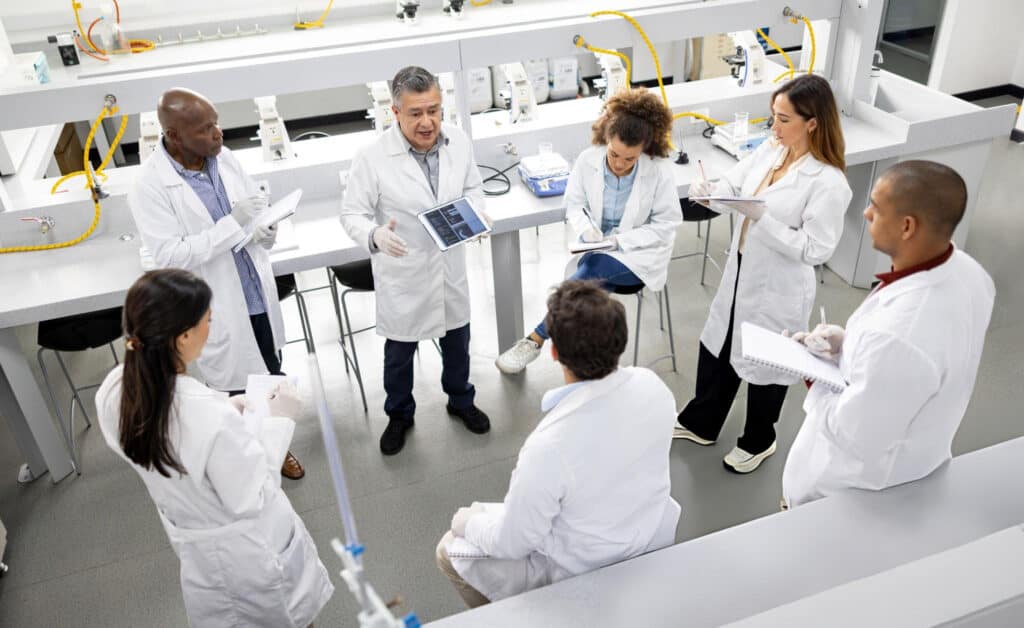
To maximize impact, plan Laboratory workshops with clear objectives, aligned to lab needs, assess via pre-surveys, identifying gaps like pipetting inaccuracies. Schedule flexibly, e.g., half-day sessions quarterly, and limit groups to 10-15 for interaction. Budget for materials: $500-1,000 per session for supplies and facilitators.
Engage experts: invite OSHA-certified trainers for safety or industry scientists for skills. Evaluate success: use pre/post tests, with 80% proficiency as a benchmark, and follow-up surveys at 3 months to measure retention. Adapt for virtual: use simulations like Labster for remote accuracy training.
Foster inclusivity: accommodate diverse learners with multilingual materials or adaptive equipment. Scale up: start pilot workshops, expand based on data showing ROI, like reduced errors.
Conclusion
Laboratory workshops are indispensable for honing skills, bolstering safety, and ensuring scientific accuracy, as evidenced by real data showing substantial gains. From technique relays to hazard drills and design bootcamps, these ideas provide practical pathways to excellence. By implementing them thoughtfully, labs can cultivate competent, secure, and precise scientists, advancing discovery while minimizing risks. As research evolves, so must our educational approaches; workshops represent a vital investment in that future.