Global health diagnostics stand at a pivotal juncture, where rapid technological advancements promise to revolutionize disease detection and management, yet persistent accessibility barriers threaten to exacerbate inequities. Representing a critical component of healthcare, diagnostics encompasses tools ranging from simple blood tests to sophisticated AI-driven imaging. As the world grapples with aging populations, rising chronic disease rates, and emerging infectious threats, integrating innovative technologies with equitable access strategies is essential. This article explores emerging trends, challenges in developed versus developing systems, and pathways forward, drawing on data from organizations like the WHO, OECD, and industry reports. Projections suggest that by 2030, the global diagnostics market could exceed $100 billion, driven by precision medicine, but only if accessibility is prioritized to align with Sustainable Development Goal 3 for universal health coverage.
Current Landscape of Global Health Diagnostics

Today, diagnostics form the backbone of effective healthcare, yet disparities persist. In high-income countries, advanced tools like next-generation sequencing (NGS) and AI-enhanced imaging enable personalized care, with diagnostic availability nearing 95% in primary settings. Conversely, in low- and middle-income countries (LMICs), access to even basic tests remains limited only 19% in primary care, contributing to delayed treatments and higher mortality rates. The COVID-19 pandemic highlighted these gaps, where disruptions in screening led to projected billions in added costs and excess deaths, particularly in resource-poor regions. The WHO’s Essential Diagnostics List (EDL), updated in 2025 to include more tests for endocrine disorders and maternal health, serves as a benchmark, yet implementation lags in many nations due to infrastructure and funding constraints.
Economic implications are profound: diagnostic errors cost global healthcare systems an estimated $606 billion annually, or 1.8% of GDP in OECD countries. In LMICs, undiagnosed conditions like COPD (70% undetected globally) erode workforce productivity and amplify economic burdens. Bridging this requires not just technology but systemic reforms, as evidenced by South Korea’s post-pandemic recovery in cancer screenings, which mitigated long-term costs through rapid digital adoption.
Emerging Technologies in Diagnostics

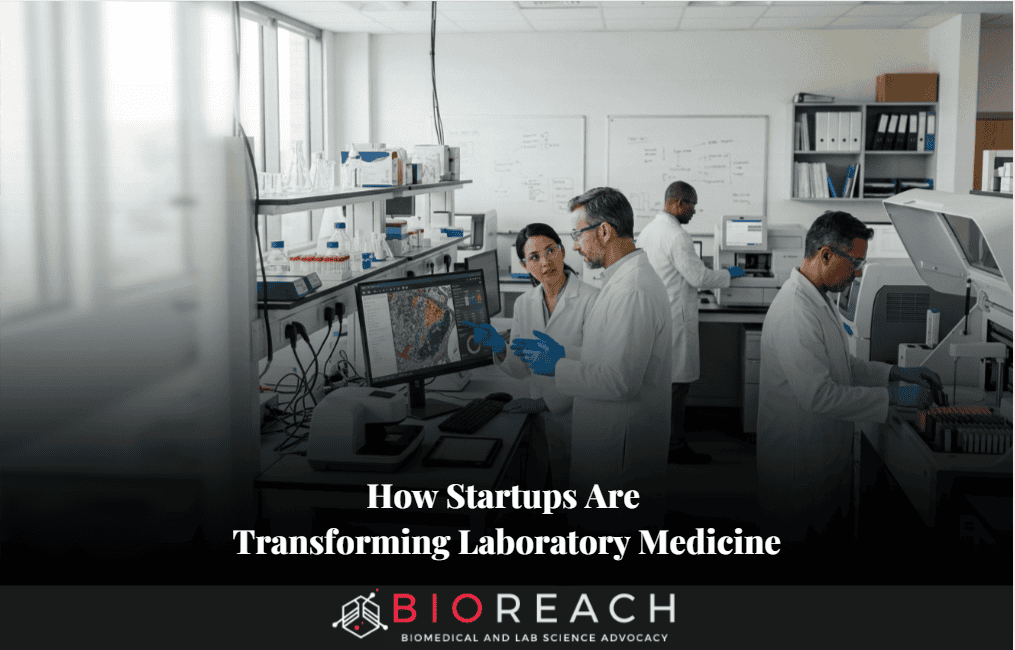
Technological innovations are reshaping diagnostics, focusing on speed, precision, and portability. AI and machine learning lead the charge, with algorithms outperforming humans in tasks like detecting skin cancer or epilepsy lesions (64% improved detection). By 2025, AI in healthcare is projected to reach $504 billion by 2032, enabling predictive diagnostics from vast datasets. For instance, NT-proBNP testing for heart failure reduces readmissions by 13%, saving $949 per patient.
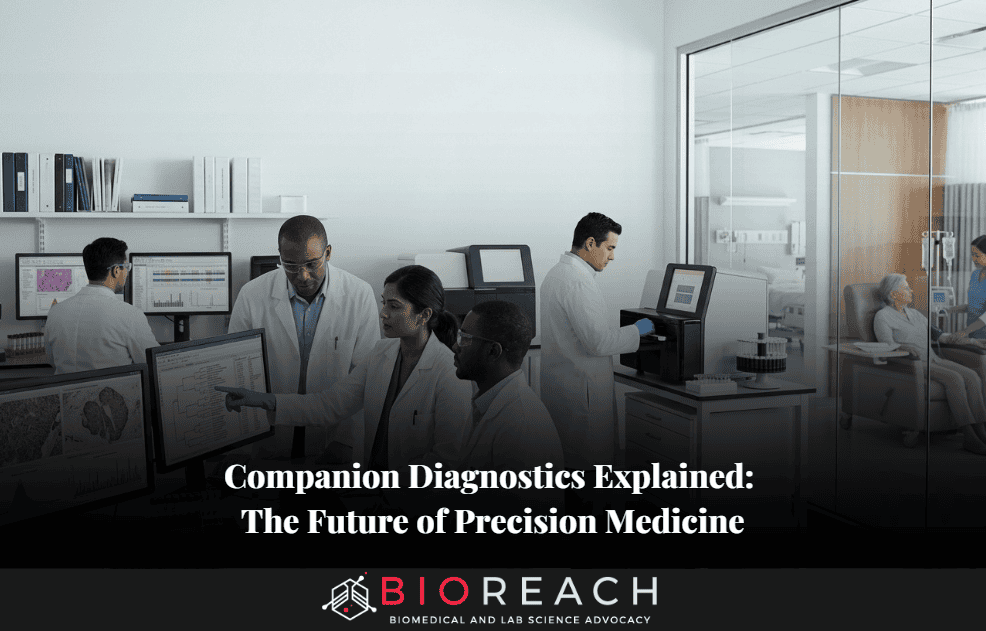
POC testing, valued at $47.8 billion in 2024 and expected to hit $68.5 billion by 2030, brings lab-quality results to remote sites. Nanotechnology-driven sensors, integrated with smartphones, enable rapid pathogen detection in outbreaks, as seen in COVID-19 wastewater surveillance. Wearables and IoMT devices monitor biomarkers continuously, projecting a $659.8 billion telemedicine market by 2025. NGS and liquid biopsies facilitate noninvasive cancer monitoring, with multi-cancer early detection (MCED) potentially saving $26 billion annually in the U.S. alone.
In LMICs, these technologies offer high ROI, e.g., 13.9 in the molecular program, but require adaptation for low-resource environments. Blockchain ensures secure data sharing, while microfluidics miniaturizes tests for affordability.
| Technology | Key Application | Projected Growth (to 2030) | Accessibility Impact |
|---|---|---|---|
| AI/ML | Image analysis, prediction | $504B (CAGR 44%) | High in developed; moderate in LMICs due to data needs |
| POC Testing | Rapid infectious disease detection | $68.5B (CAGR 5.8%) | Strong in remote areas; cost-effective |
| NGS/Liquid Biopsy | Genomic profiling | Part of $100B IVD market | Limited by infrastructure; high potential for precision |
| Wearables/IoMT | Continuous monitoring | Integrated in $659B telemedicine | Improves equity if affordable; digital divide risk |
Accessibility Challenges: Developed vs. Developing Systems
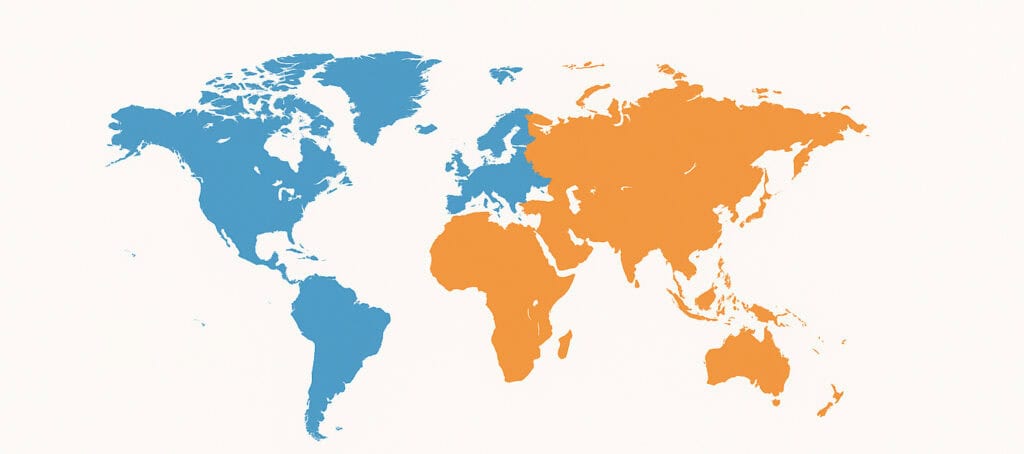
Accessibility remains the core challenge, with stark contrasts between systems. In developed nations, diagnostics drive efficiency, with IVD spending at €3.6–43.5 per capita yielding personalized care. The U.S. sees MCED tests cost-effective under $200, reducing stage IV cancers. Automation addresses shortages, boosting productivity 1.4–3.7 times.
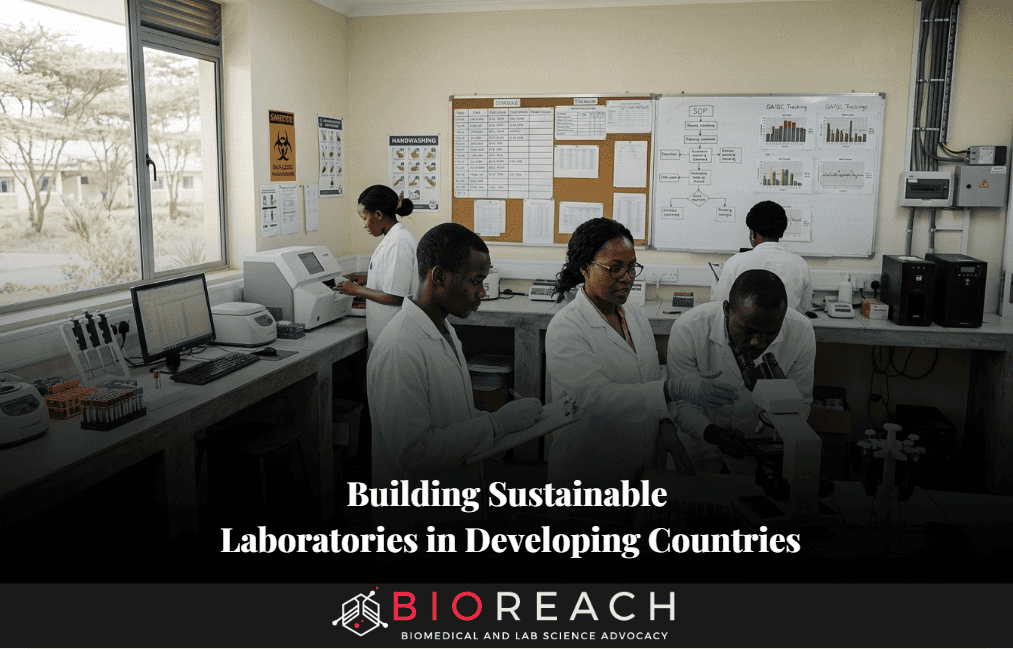
In developing systems, only 30% of facilities have basic equipment, leading to late diagnoses and amplified costs. Geographic barriers, supply chain issues, and funding shortfalls compound this, as in sub-Saharan Africa where POC for infections offers ROI but faces connectivity hurdles. Pandemic disruptions were more severe here, projecting greater economic impacts.
| Aspect | Developed Systems | Developing Systems |
|---|---|---|
| Access | 95% pathology services | 35% public access |
| Tech Adoption | AI, NGS widespread | POC emerging but limited |
| Challenges | Overdiagnosis, costs | Infrastructure, funding |
| Outcomes | High ROI in precision | Potential savings unrealized |
From a policy perspective, WHO emphasizes governance for AI, including bias mitigation. Hospital managers focus on stewardship to cut unnecessary tests (13–19%). Economists highlight holistic valuation, noting 1% GDP lost to unsafe care. Patients benefit from empowerment but face anxiety from false positives.
Bridging the Gap: Strategies and Innovations
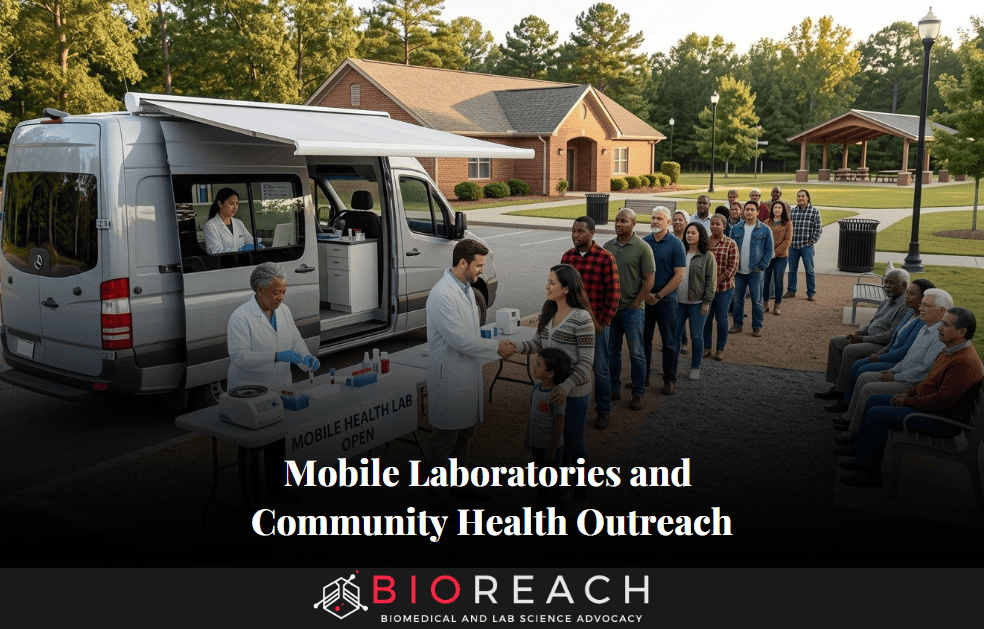
To bridge divides, innovations like digital-linked POC models in South Africa address connectivity via task-shifting. Public-private partnerships, as in ASEAN’s EDL implementation, use diagnostic network optimization (DNO) to map gaps. Value-based reimbursement incentivizes adoption, while local manufacturing reduces import dependency.
Telemedicine and mHealth expand reach, with AI chatbots handling 58% of queries. Sustainable materials in devices mitigate environmental impacts, aligning with green diagnostics.
Future Projections to 2030

By 2030, POC diagnostics may reach $84.93 billion, with AI integration enabling adaptive systems. In LMICs, nanotechnology and microfluidics could transform outbreak response, projecting ROIs of 13.9. However, without an equity focus, digital divides may widen.
Ethical and Regulatory Challenges
Ethical issues include AI bias and privacy, with the WHO advocating safeguards. Regulatory harmonization is key, as in FDA approvals for self-testing. Overdiagnosis risks $4 billion annually from false positives.
Conclusion
The future of global health diagnostics hinges on balancing innovation with accessibility. Through collaborative efforts, we can foster equitable systems, reducing burdens and advancing health for all.